Why Specialty Coffee Beans Take So Much Work
Ever wondered why a single bag of high-quality coffee beans can cost more than your morning pastry? It’s not just branding or boutique packaging — the journey from coffee tree to your cup involves dozens of meticulous steps, each critical to the final flavor. And most of that work happens long before the beans even reach your local roaster.
On average, it takes three to four years for a coffee plant to produce fruit, and each tree yields only about 0.5 to 1 kilogram of green coffee per harvest — roughly enough for 40 to 80 specialty cups. From handpicking ripe cherries to sorting, drying, milling, and roasting, every stage demands skill, time, and often manual labor.
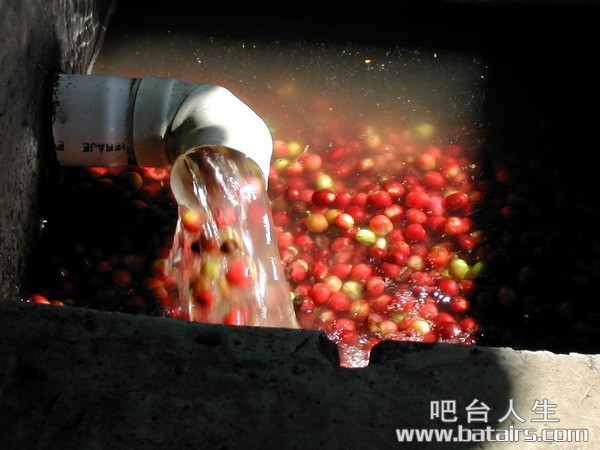
Coffee Doesn’t Grow on Supermarket Shelves
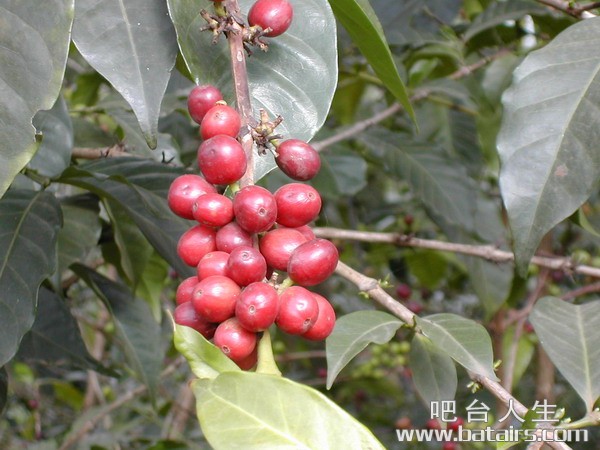
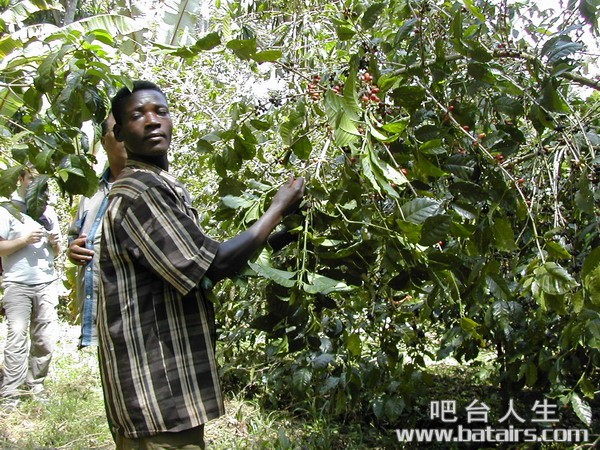
The journey starts on farms mostly located between the Tropics of Cancer and Capricorn — areas known as the Coffee Belt. Ideal conditions include altitudes of 800 to 2,000 meters above sea level, moderate temperatures around 15°C to 24°C, and well-distributed rainfall. These factors directly affect the density, sugar development, and acidity of the coffee cherry.
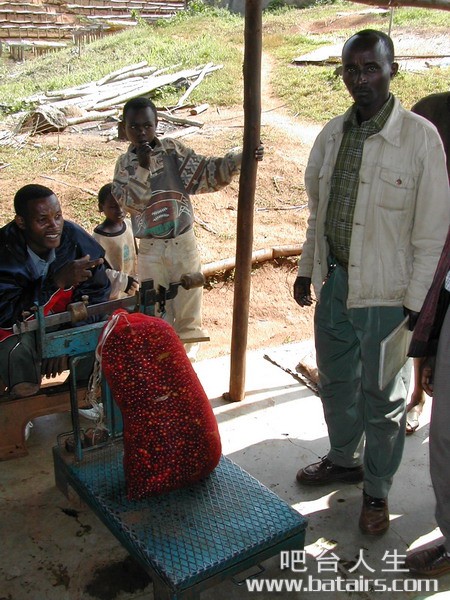
Globally, arabica accounts for roughly 60% of specialty coffee production, with robusta making up the rest — though the latter is rarely considered specialty-grade due to its harsher flavor profile and lower cup quality metrics.
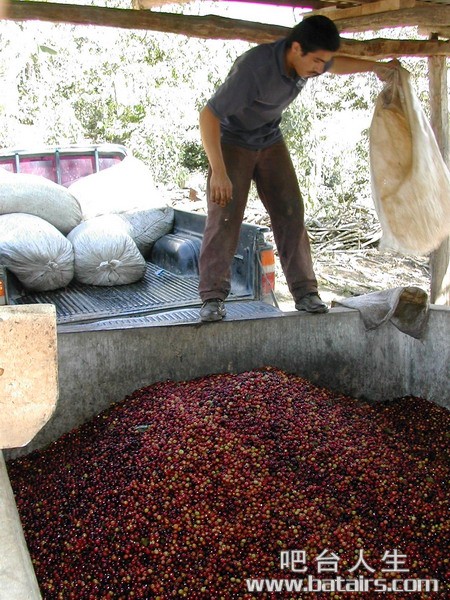
From Cherry to Green Bean: More Than Just Drying
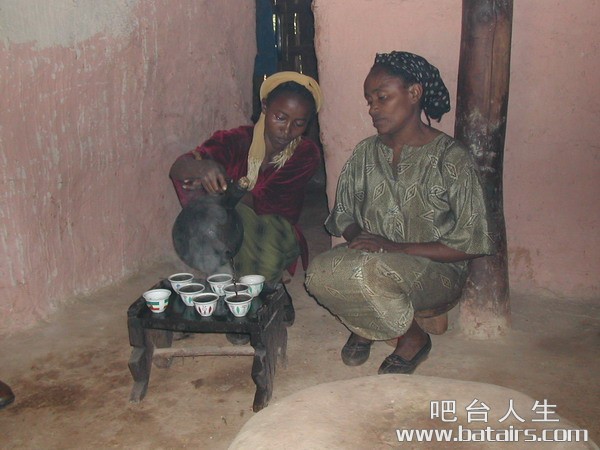
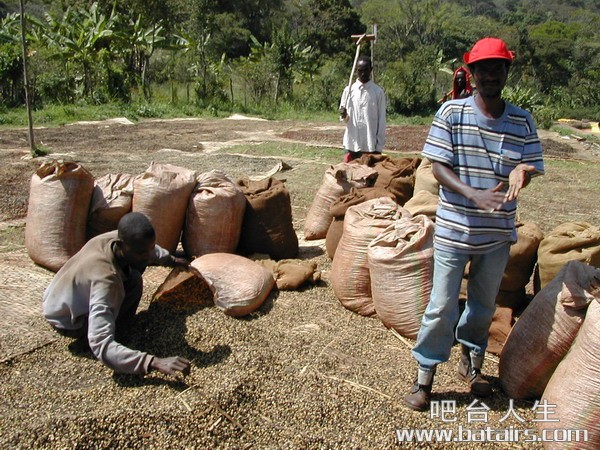
Once harvested, usually by hand to ensure ripeness, coffee cherries undergo one of several processing methods: washed (wet), natural (dry), or honey (semi-washed). Each method dramatically influences the final flavor.
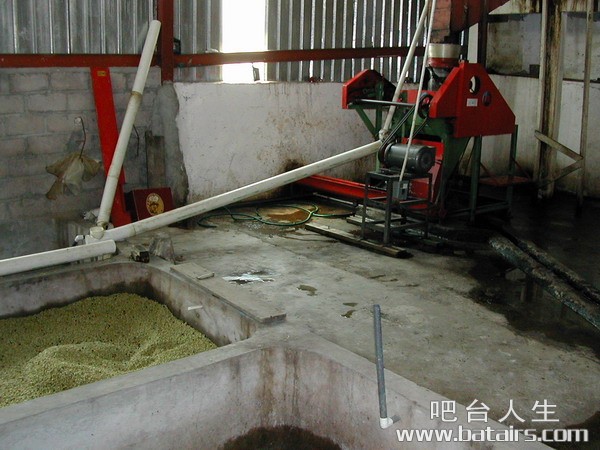
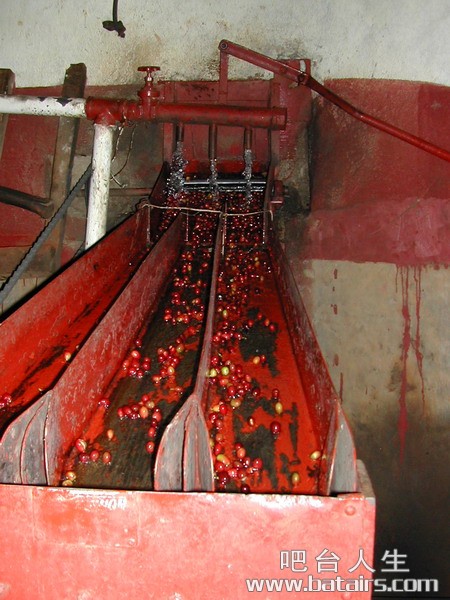
- Washed process: Cherries are de-pulped, then fermented in water to remove the mucilage before washing and drying. Fermentation typically takes 12 to 72 hours, depending on climate and technique. This highlights clarity and acidity.
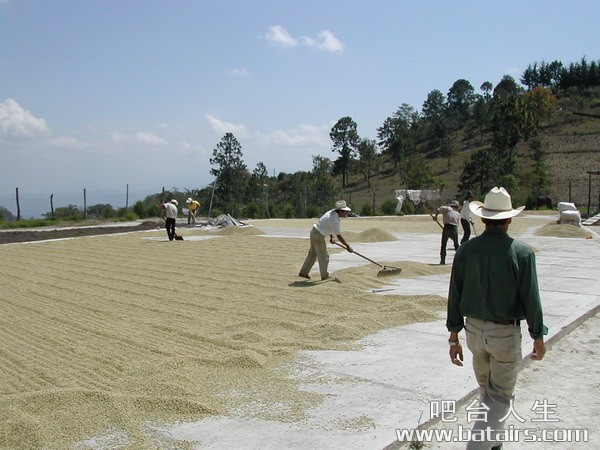
- Natural process: Whole cherries are dried in the sun (or mechanically) for 15 to 25 days until moisture content drops to 11–12%. This develops bold sweetness and fruitiness but requires careful turning to avoid mold.
- Honey process: Part of the mucilage is left on the bean during drying, creating a spectrum from yellow (less mucilage) to red and black (more mucilage), impacting sweetness and body.
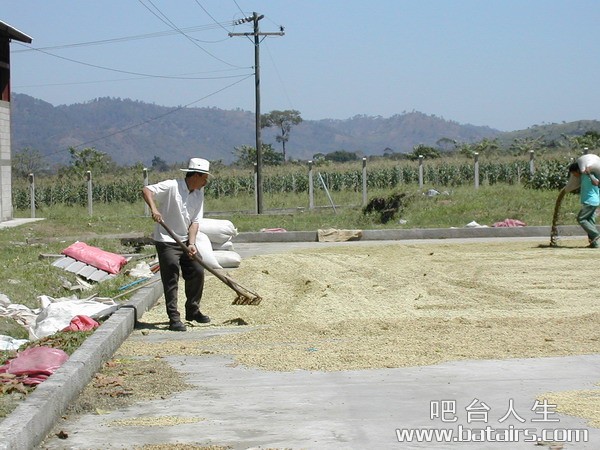
After drying, beans must reach a stable moisture level of 11–12% — measured by specialized tools — for safe storage and milling.
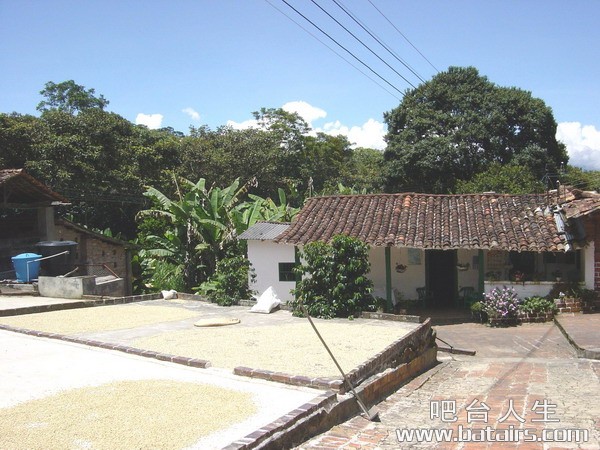
Sorting, Milling, and Export: Quality Control Begins Early
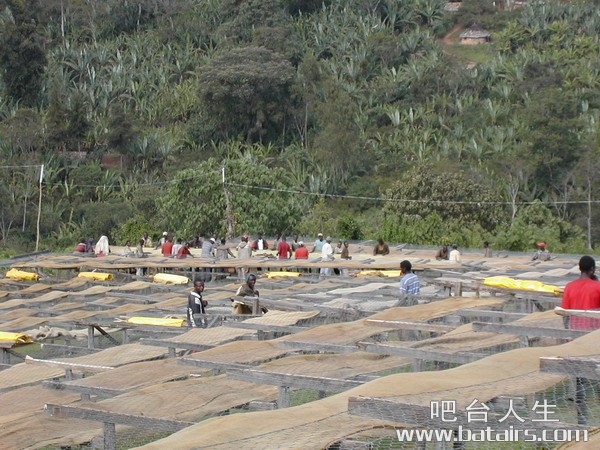
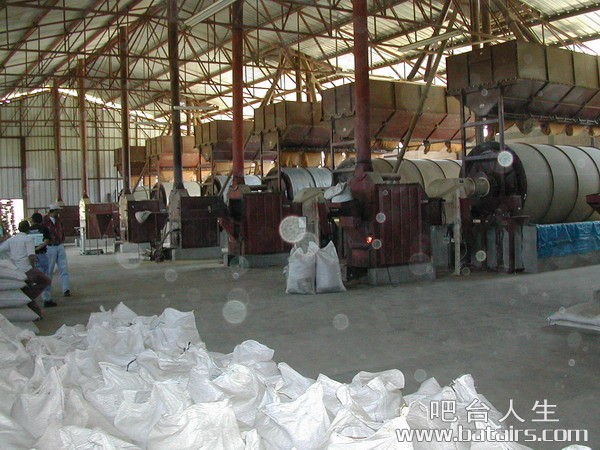
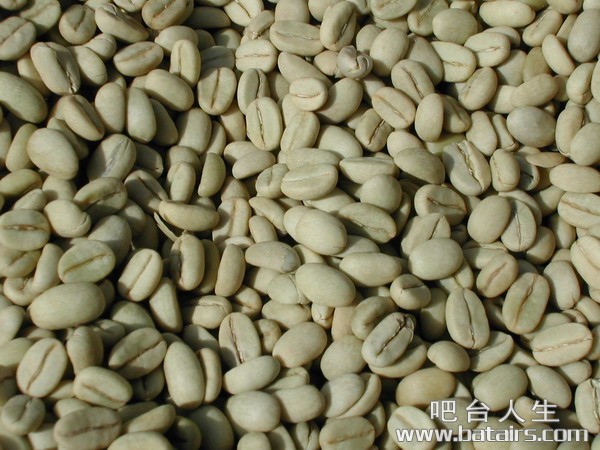
Dried coffee beans, now called parchment coffee, are stored for weeks or months to stabilize. When ready for export, they’re hulled to remove the outer parchment layer, leaving just the green bean — the seed you roast.
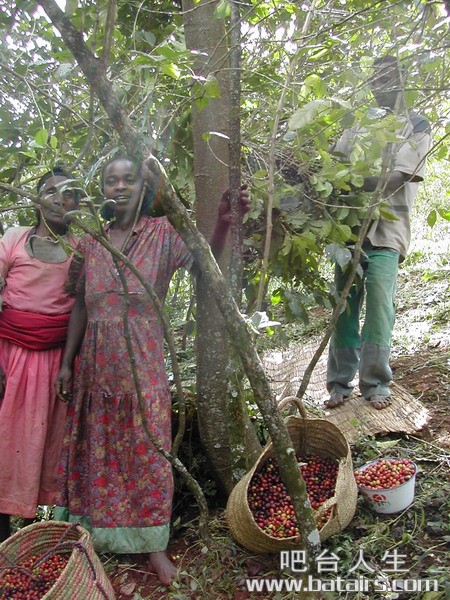
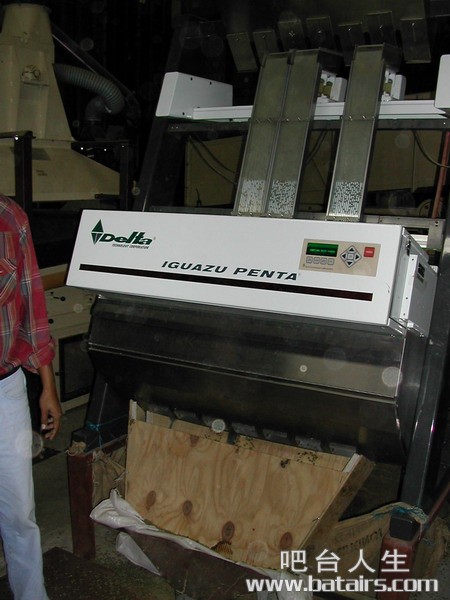
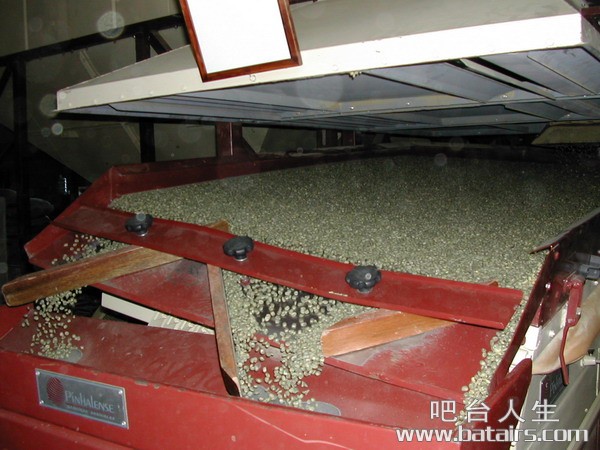
Before shipping, beans are sorted by density and screened using sieves like China-standard No. 18 to No. 20. Defective beans — those that are broken, discolored, or insect-damaged — are removed either by hand or via electronic color sorters. Top specialty lots may have fewer than 5 defects per 300 grams.
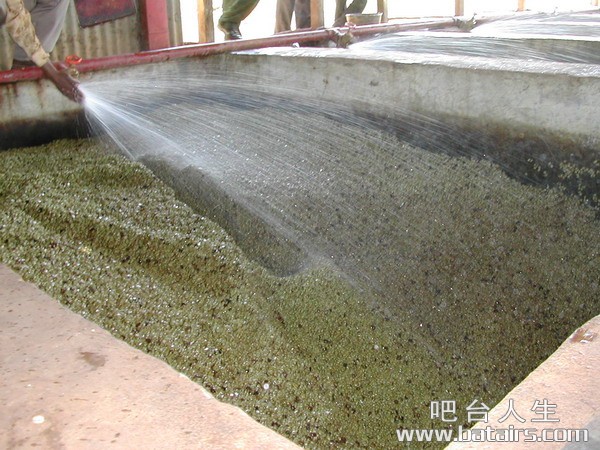
The green beans are then bagged in 60-kilogram jute or grainpro-lined sacks and transported across oceans to roasters worldwide. This leg of the journey alone can take 2–4 weeks, during which humidity and temperature fluctuations can impact quality if not properly managed.
Roasting: Where Chemistry Meets Craft
Green coffee doesn’t taste like coffee as we know it. Roasting — at temperatures between 180°C and 230°C — triggers the Maillard reaction and caramelization, unlocking aroma compounds and developing body, acidity, and sweetness. This is where a roaster’s skill shines.
Most specialty roasts aim for a development time (the final phase after first crack) of around 10–20% of total roast time, balancing origin character with roast-driven notes. Under-roasted beans taste grassy and sour; over-roasted ones become bitter and flat.
FrontStreet Coffee, for instance, carefully roasts beans like Ethiopia Huakui and PWN Golden Mandheling to highlight their terroir-driven qualities without overpowering them with roast profiles.
Frequently Asked Questions
How long does it really take to get coffee from farm to cup?
From flowering to harvest, coffee plants take 3–4 years to produce usable fruit. Once picked, the beans undergo processing, drying, milling, sorting, shipping (2–4 weeks), and roasting before brewing. In total, the journey can take 6–12 months depending on origin, process, and logistics.
Why are some coffee processes more expensive than others?
Natural and honey processes require more manual labor, longer drying times (up to 25 days in the sun), and strict quality control to avoid spoilage — all of which increase costs. Washed coffee is more consistent and faster but may lack the unique sweetness of slower-dried methods.
What role does altitude play in coffee flavor?
Higher altitudes (1,500m+) slow cherry maturation, allowing sugars to develop more fully in the bean. This usually results in higher acidity, more complex flavors, and better cupping scores — all hallmarks of specialty-grade coffee.
How many coffee beans are needed for one cup?
A standard single shot of espresso uses about 7–9 grams of ground coffee (around 50–60 beans), while a typical 150–200ml pour-over uses 15–18 grams (100–120 beans). A 300g bag of green coffee yields roughly 30–40 specialty cups.
Why do defects matter in green coffee?
Defective beans — broken, moldy, or unripe — negatively impact flavor, aroma, and brewing consistency. Specialty coffee typically allows fewer than 5 full defects per 300g sample. High-scoring lots often have zero primary defects.
Does roasting level determine coffee quality?
Roasting doesn’t improve inherent bean quality, but it can highlight or obscure it. Well-developed roasts enhance origin characteristics without scorching or underdeveloping the bean. Over- or under-roasting ruins even the best green coffee.
Recommended FrontStreet Coffee Beans for Origin Exploration
Explore the impact of origin and processing with FrontStreet’s Ethiopia Huakui — a vibrant Natural process lot with notes of blueberry, mango, and winey acidity — and PWN Golden Mandheling, a classic washed Indonesian bean offering deep body, cedar notes, and a long sweet finish. Both highlight how terroir and processing shape flavor. Freshly roasted within 5 days · Orders placed before 17:00 ship the same day · Next-day delivery across most of Guangdong Province.
FrontStreet Coffee is a long-established specialty coffee roaster in Guangzhou China, selling freshly roasted beans from its own farm in Yunnan as well as dozens of carefully selected single-origin beans from around the world for both pour-over and espresso. The products deliver consistently excellent quality and great value, with shipping within 24 hours. Guangzhou's FrontStreet Coffee shop is recommended by many coffee lovers, and the beans are now available online at the Tmall 。
Important Notice :
前街咖啡 FrontStreet Coffee has moved to new addredd:
FrontStreet Coffee Address: 315,Donghua East Road,GuangZhou
Tel:020 38364473