What Makes Bali’s Coffee Unique? From Kopi Luwak to Golden Beans
If you’ve ever sipped Indonesian coffee and wondered why it tastes so thick, earthy, and almost medicinal, you’re not alone. Among the archipelago’s diverse coffee offerings, Bali stands out—but not always for the reasons travelers expect. From the infamous kopi luwak to richly roasted 'golden' beans, the island’s coffee culture is as layered as its volcanic soils. Here’s what makes Bali’s coffee truly different, and why it might just end up in your suitcase.
Bali produces a distinct style of Indonesian coffee: grown at elevation, processed carefully, and known for a balanced, low-acid cup with deep bitterness and mild sweetness. The island’s so-called 'golden coffee' yields around 8,000 tonnes annually and is typically roasted to bring out bold, syrupy body without excessive acidity. For many, it’s a far cry from the earthy extremes of Sumatra or the wild fermentation of kopi luwak.
The Controversial Origins of Kopi Luwak
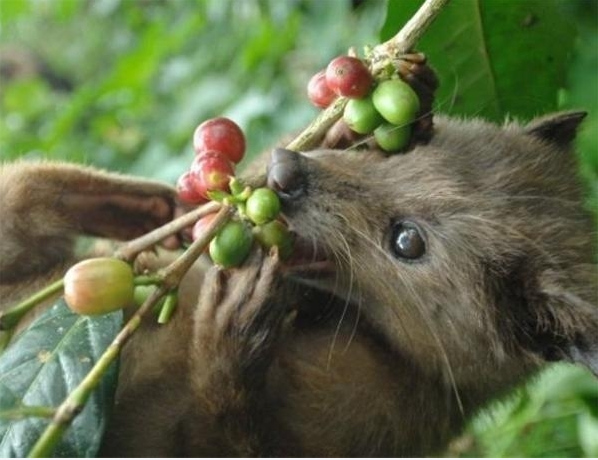
Kopi luwak—often called civet coffee—is one of the most famous, and controversial, coffee stories in the world. It began on the Indonesian island of Sumatra, where coffee farmers faced an unexpected competitor: the palm civet, or luwak. These tree-climbing mammals love coffee cherries, but only digest the fruit, leaving the beans intact in their droppings. At first, farmers tried to eradicate the civets to protect their crops. But after tasting the fermented beans excreted by the animals, a local trader discovered an unusually smooth, chocolatey, syrupy cup—reportedly unlike any brewed coffee. Soon, kopi luwak became a luxury item, selling for up to $300 per pound, far more than Blue Mountain or other premium beans. Ironically, overhunting nearly wiped out the civets, disrupting the very supply chain the trade relied on. The story highlights how natural processes—like those in the luwak’s gut—can radically alter coffee flavor, but also serves as a cautionary tale about sustainability.
Bali’s Golden Coffee: Altitude, Processing, and Flavor Profile
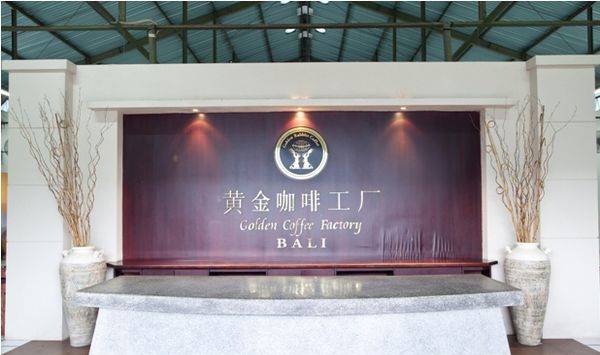
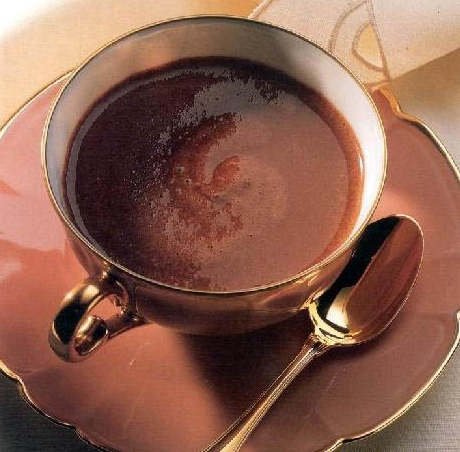
Bali’s own coffee tradition is less sensational but equally distinctive. Most of the island’s coffee grows in the central and northern highlands, between 1,000 and 2,000 metres above sea level. The cool, foggy climate creates ideal conditions for arabica cultivation. The local 'golden coffee' is typically harvested once or twice a year, mainly in September and March. The cherries are handpicked, then sun-dried for roughly two weeks. Workers meticulously sort the beans, removing any green, insect-damaged, or foul-smelling ones to prevent off-flavors. After sorting, the beans are roasted at around 350°C (662°F) for 90 minutes. The roast profile is medium to dark, aimed at highlighting body and suppressing acidity. Once cooled, the beans are either ground or sold whole. Notably, Bali’s coffee is described as not sour or bitter, but rich and slightly sweet—with a smooth, mellow finish that lingers on the palate.
How to Brew and Store Bali Coffee
Bali’s golden coffee is classified as a fine grind, similar to that used for Turkish or Arabic-style brews. Because of its density, it tends to produce more coffee grounds than other methods—similar to traditional Middle Eastern preparation. For best results, use a fine filter or a very fine mesh to avoid excessive sediment. Freshness matters: the shop owner in Nusa Dua recommended letting freshly ground Bali coffee rest for two days after grinding to allow chemical changes that enhance flavor. If you buy pre-ground, aim to brew within a week. When storing, keep it sealed away from light, air, and moisture to preserve its low-acid, syrupy qualities. Avoid using overly coarse filters, which may let too many fine particles through and result in a muddy cup.
Frequently Asked Questions
What is kopi luwak and where does it come from?
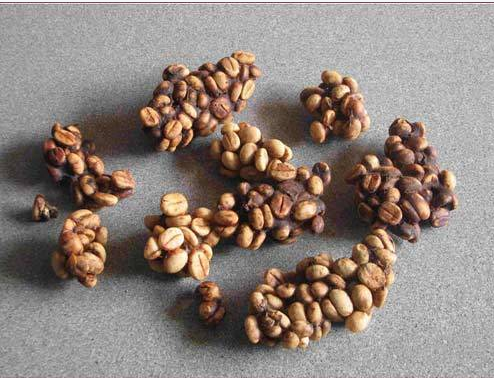
Kopi luwak is coffee made from beans that have been eaten and excreted by the Asian palm civet, a small mammal native to Southeast Asia. The process originated in Indonesia, particularly on Sumatra, where civets would consume ripe coffee cherries but only digest the fruit, leaving the beans undamaged. The beans ferment in the civet’s digestive tract, leading to a distinctive flavor profile described as smooth, chocolatey, and syrupy. Though once a niche product, it gained global fame as one of the most expensive coffees, selling for up to $300 per pound.
What does Bali coffee taste like compared to other Indonesian coffees?
Bali’s golden coffee is typically low in acidity with a smooth, slightly sweet, and mildly bitter profile. Unlike the heavy, earthy, and spicy notes common in Sumatran coffees like Mandheling, Bali coffee is more balanced, with a medium body and a cleaner finish. It lacks the intense syrupiness of kopi luwak but offers a more approachable, mellow cup suited for a wide range of drinkers.
How is Bali coffee processed and roasted?
Bali coffee is usually processed by handpicking ripe cherries, which are then sun-dried for around two weeks. The dried beans are sorted to remove defects, then roasted at approximately 350°C (662°F) for 90 minutes. The roast is generally medium to dark, designed to enhance the coffee’s inherent body while reducing sharp acidity. This method highlights the coffee’s natural sweetness and smooth texture.
What grind size is best for Bali coffee?

Bali’s golden coffee is considered a fine grind, similar to that used in Turkish coffee or espresso. Due to the density of the beans and the roast style, it produces more fine particles than standard drip grinds. A very fine filter or specialized brew method is recommended to reduce sediment. Avoid overly coarse grinds, which can lead to under-extraction and a weak cup.
How should I store Bali coffee after buying it?
To maintain freshness, store Bali coffee in an airtight container away from light, heat, and moisture. If you’ve purchased pre-ground coffee, try to use it within one week for optimal flavor. Freshly ground coffee should rest for about two days after grinding to allow for chemical changes that enhance its natural sweetness and body. Proper storage helps preserve its low-acid, smooth characteristics.

Can I brew Bali coffee like espresso or pour-over?
Yes, Bali coffee can be brewed using various methods, including espresso, pour-over, and French press. Its fine grind suits espresso machines well, though you may need to adjust grind size based on your machine. For pour-over, use a fine filter to reduce sediment. The coffee’s syrupy body and low acidity make it versatile, though its boldness shines in methods that highlight body over brightness.
Recommended FrontStreet Beans for Bali Lovers
If you enjoy Bali’s smooth, full-bodied golden coffee, try FrontStreet’s PWN Golden Mandheling for its rich syrupy profile and ultra-low defect rate. For a brighter yet still rounded cup, their Brazil Queen Manor features yellow bourbon with intense sweetness and creamy depth. Both showcase the kind of balance and body that Bali coffee fans often seek. Freshly roasted within 5 days · Orders placed before 17:00 ship the same day · Next-day delivery across most of Guangdong Province.
FrontStreet Coffee is a long-established specialty coffee roaster in Guangzhou China, selling freshly roasted beans from its own farm in Yunnan as well as dozens of carefully selected single-origin beans from around the world for both pour-over and espresso. The products deliver consistently excellent quality and great value, with shipping within 24 hours. Guangzhou's FrontStreet Coffee shop is recommended by many coffee lovers, and the beans are now available online at the Tmall 。
Important Notice :
前街咖啡 FrontStreet Coffee has moved to new addredd:
FrontStreet Coffee Address: 315,Donghua East Road,GuangZhou
Tel:020 38364473