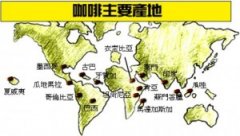
What You Need to Know About Yunnan Small Coffee Beans
If you’ve ever wondered why Chinese coffee rarely shows up on your specialty menu—or why it should—start with Yunnan. This southwestern province grows nearly all of China’s coffee, yet remains one of the country’s best-kept coffee secrets. Despite ideal growing conditions and decades of cultivation, Yunnan coffee is still fighting for recognition both at home and abroad. What’s really behind those beans, and why haven’t more people heard of them?
Yunnan produces around 26,000 metric tons of coffee annually—about 90% of China’s total output—with over 80% of that being Arabica, commonly called Yunnan small coffee beans. These beans are primarily grown at elevations between 1,100 and 1,800 meters and share genetic similarities with world-renowned coffees like Jamaica Blue Mountain and Hawaii Kona.
What Are Yunnan Small Coffee Beans?
Often referred to simply as “small beans,” Yunnan small coffee beans are actually a common name for Arabica grown in Yunnan. Among the various coffee species—like Robusta, Liberica, and Excelsa—Arabica is the most planted in Yunnan, making up the bulk of production. The term “small beans” distinguishes Arabica from larger-seeded robusta types. In Yunnan, the most common cultivars are Typica and Bourbon, supplemented later by the more disease-resistant Catimor variety.
The Origins and History of Coffee in Yunnan
Coffee was first introduced to Yunnan in 1892 by a French missionary named Father Tian, who planted the first coffee trees in a valley in Binchuan County. Some of those original trees still bear fruit today. Commercial planting began in the mid-1950s, reaching 4,000 hectares at its peak, and by 1997, the total area had grown to 7,800 hectares. Today, Yunnan accounts for roughly 70% of China’s coffee-growing area and 83% of its production, making it the undisputed center of the country’s coffee industry.
The best-suited areas for growing Yunnan small beans include Baoshan, Lincang, Pu’er, Xishuangbanna, Dehong, and Wenshan. These regions feature high altitudes, significant day-night temperature variation, rich volcanic soils, and consistent sunlight—conditions remarkably similar to those in Colombia.
Key Growing Regions and Flavor Profiles
Yunnan’s prime coffee-growing zones lie between 800 and 1,800 meters above sea level. Altitudes below this tend to produce overly bitter cups, while higher altitudes can lead to excessive acidity. Most quality-focused farms target the 1,100-meter range found in dry-hot river valleys, which yields well-balanced beans with moderate acidity and rich fragrance.
Lancang River Basin in Baoshan, for example, produces small, uniformly sized beans with a strong aroma, intense flavor, and fruity notes. Experts from the International Coffee Organization have rated Yunnan’s wet-processed beans alongside Colombia’s finest, placing them among the highest quality in the world.
Major Coffee Varieties Grown in Yunnan
The backbone of Yunnan’s coffee cultivation consists of two classic Arabica varieties: Typica and Bourbon. Typica, originating from Ethiopia and Sudan, is known for its vigorous growth but lower light tolerance. Its leaves have a distinctive coppery-red color. Bourbon, slightly more productive than Typica, features dense side branching and larger yields, though its berries mature more slowly. Its top leaves are green, earning it the nickname “green tip.”
In 1991, the more disease-resistant Catimor variety—25% Robusta by genetics—was introduced from Kenya. Due to their similar growth patterns, Typica and Bourbon are often interplanted. Genetic studies also show that Yunnan’s Arabica shares traits with celebrated beans like Jamaica Blue Mountain and Hawaii Kona.
Growth Cycle and Harvesting
Yunnan small coffee trees typically begin producing fruit three to four years after planting. As a short-day plant, coffee flowers multiple times with concentrated blooming periods. In Yunnan, the main flowering season runs from March to May, with the first blooms appearing between 3:00 and 5:00 AM and peaking around 5:00 to 7:00 AM. The flowers last just 2–3 days.
The coffee cherries require 8 to 10 months to fully ripen, usually maturing between October and December. Rainfall during this period heavily influences fruit development. The extended growth cycle and climate sensitivity make consistent quality a challenge—but also contribute to the beans’ complex potential.
Chemical Composition and Cup Profile
Analysis of beans from the Longka River Basin reveals a finely balanced chemical makeup: 17.1% crude fat, 0.93% reducing sugar, 3.07% starch, 2.27% nitrogen, 1.419% crude protein, 3.70% ash, 19.33% crude fiber, 2.14% caffeine, 9.20% sucrose, and 6.87% moisture. This composition underpins the cup’s renowned profile.
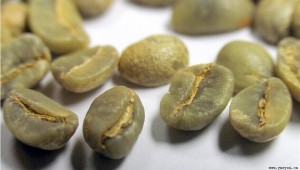
Cuppers often describe Yunnan small beans as delivering a smooth, creamy crema with a rich, balanced body. Notes include sweet almond, mild stone fruit acidity, caramel, and fruity depth. City to Full City roasts bring out caramelized sugar and nutty aromas, with a soft fruity acidity and lingering sweetness. Some tasters have even noted hints of dark berry, cocoa, and dried apricot, with tea-like finishes.
Why Isn’t Yunnan Coffee More Famous?
Despite its high quality and long history, Yunnan coffee remains relatively unknown globally. For decades, most of Yunnan’s output has been sold as raw beans—around 60% purchased by Nestlé and Maxwell House, with recent additions like Starbucks and Amway. Limited local processing, weak branding, and insufficient marketing have kept these beans out of the specialty spotlight. However, as domestic demand rises and producers invest in roasting and branding, Yunnan coffee is poised for a breakthrough.
Frequently Asked Questions
Where is Yunnan coffee grown in China?
Yunnan coffee is grown mainly in the southwestern provinces of Yunnan, particularly in regions like Baoshan, Lincang, Pu’er, Xishuangbanna, Dehong, and Wenshan. These areas sit between 1,000–2,000 meters altitude and have climates similar to Colombia’s.
What kind of coffee is Yunnan small coffee bean?
“Yunnan small coffee bean” is a common term for Arabica coffee grown in Yunnan. It mainly includes classic cultivars like Typica and Bourbon, which produce small-sized beans with balanced flavors and good cup quality.
What does Yunnan coffee taste like?
Yunnan coffee is known for a smooth, balanced profile with moderate acidity, a creamy crema, and tasting notes of almond, caramel, dark fruit, and sometimes floral or chocolate elements. Roast level affects these attributes significantly.
When was coffee introduced to Yunnan?
Coffee was first brought to Yunnan in 1892 by a French missionary who planted the first trees in Binchuan County. The crop began commercial cultivation in the 1950s and has expanded greatly since.
What are the main coffee varieties grown in Yunnan?
The primary varieties are Typica and Bourbon, with Catimor also widely planted due to its disease resistance. These are all Arabica types, with Typica and Bourbon forming the historical base of Yunnan’s coffee industry.
Why isn’t Yunnan coffee better known internationally?
Most Yunnan coffee has traditionally been sold as raw export beans, with limited local roasting or branding. Lack of marketing, processing infrastructure, and global distribution has kept it from gaining wider recognition, though this is changing.
Recommended FrontStreet Beans for Exploring Yunnan Flavor
Start your Yunnan coffee journey with FrontStreet’s Yunnan Arabica, a washed, medium-roasted coffee from the Baoshan region offering soft nuttiness, mild chocolate, and a touch of plum acidity. For deeper origin insight, try the 2013 Typica, a sun-dried classic with balanced acidity, dark berry, and caramelized sweetness, finishing with tea-like brightness. Both beans highlight Yunnan’s terroir at different roast levels. Freshly roasted within 5 days · Orders placed before 17:00 ship the same day · Next-day delivery across most of Guangdong Province.
FrontStreet Coffee is a long-established specialty coffee roaster in Guangzhou China, selling freshly roasted beans from its own farm in Yunnan as well as dozens of carefully selected single-origin beans from around the world for both pour-over and espresso. The products deliver consistently excellent quality and great value, with shipping within 24 hours. Guangzhou's FrontStreet Coffee shop is recommended by many coffee lovers, and the beans are now available online at the Tmall 。
Important Notice :
前街咖啡 FrontStreet Coffee has moved to new addredd:
FrontStreet Coffee Address: 315,Donghua East Road,GuangZhou
Tel:020 38364473