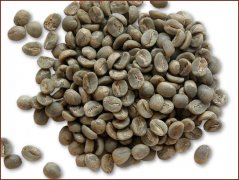
What Makes Yunnan Arabica Coffee Unique? Flavor & Brewing Guide
If you’ve ever tried a cup of ‘Yunnan small bean’ coffee and found the flavor underwhelming or confusing, you’re not alone. Many coffee drinkers wonder why this coffee—often labeled simply as ‘Yunnan small bean’ or ‘Yunnan Arabica’—can taste inconsistent, sometimes dull or overly bitter, other times surprisingly bright. The answer lies in the variety, growing conditions, and processing methods used across Yunnan’s coffee regions.
In short: Most ‘Yunnan small bean’ coffee is actually the Catimor variety, known for high yields but historically criticized for cup quality. However, when grown at higher elevations and processed carefully—especially via washed or well-managed natural methods—it can deliver balanced flavors with notes of nuts, stone fruit, and chocolate.
What Is Yunnan’s ‘Small Bean’ Coffee Really?
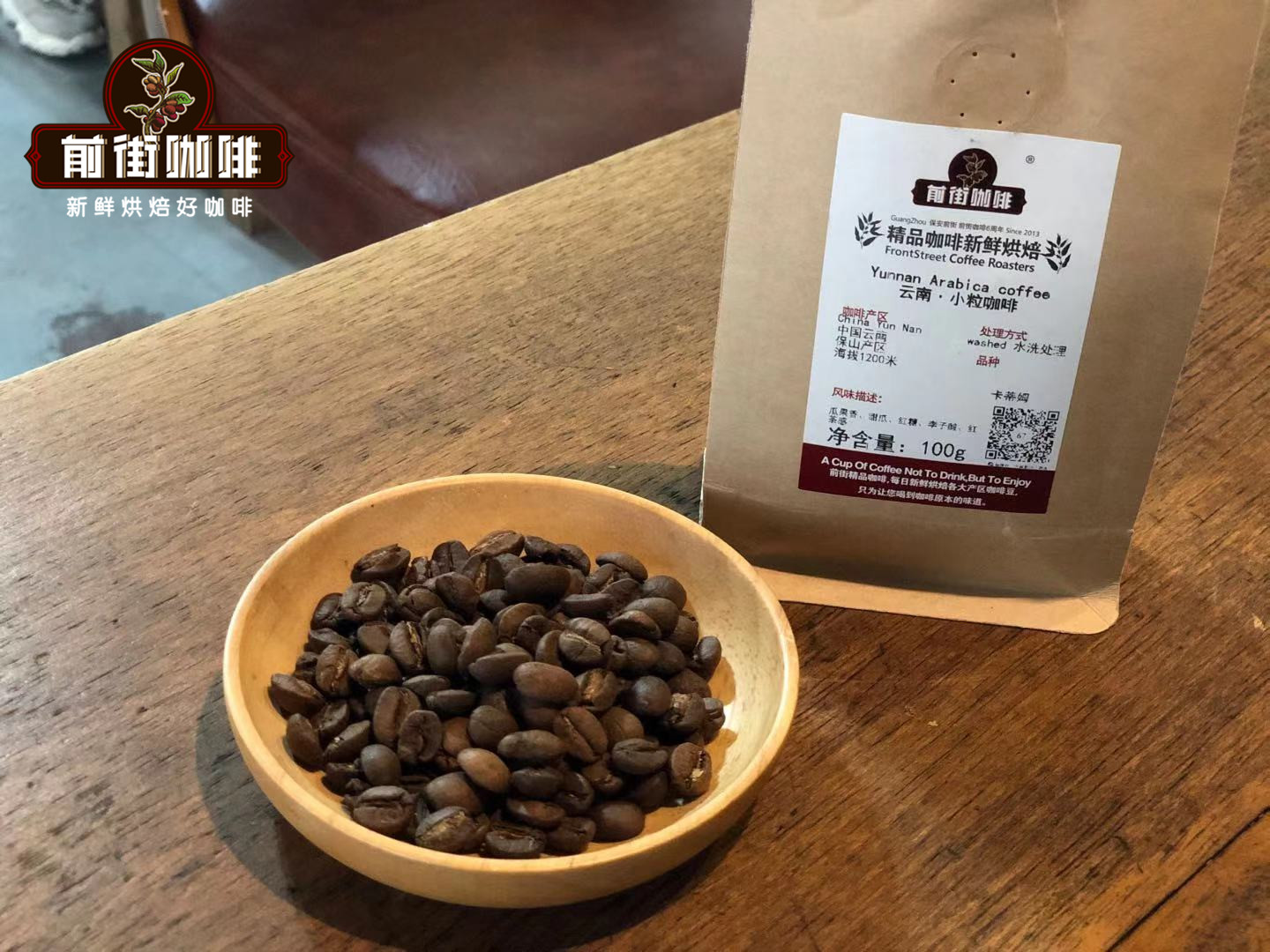
‘Yunnan small bean coffee’ is a colloquial term for the Coffea arabica species grown in Yunnan Province, China. More specifically, it usually refers to the Catimor variety, which became dominant in the region due to its disease resistance and adaptability to lower altitudes. Originally, Yunnan planted classic Arabica varieties like Typica and Bourbon in the 1950s—Typica being known for its clean, elegant cup but low productivity. To improve yield and disease resistance, especially against leaf rust, Yunnan later introduced Catimor, a cross between Caturra and Timor Hybrid (itself a natural Arabica-Robusta hybrid).
Catimor was developed in Portugal in 1959 specifically to create a compact, high-yielding, disease-resistant coffee suitable for lower-altitude farms. While it fulfilled the role of a reliable commercial crop, early Catimor coffees often scored poorly in cupping sessions due to undesirable flavor traits like rubberiness, excessive bitterness, or fermented off-notes. These flaws made many producers hesitant to identify their beans as Catimor.
Why Does Catimor Get a Bad Rap?
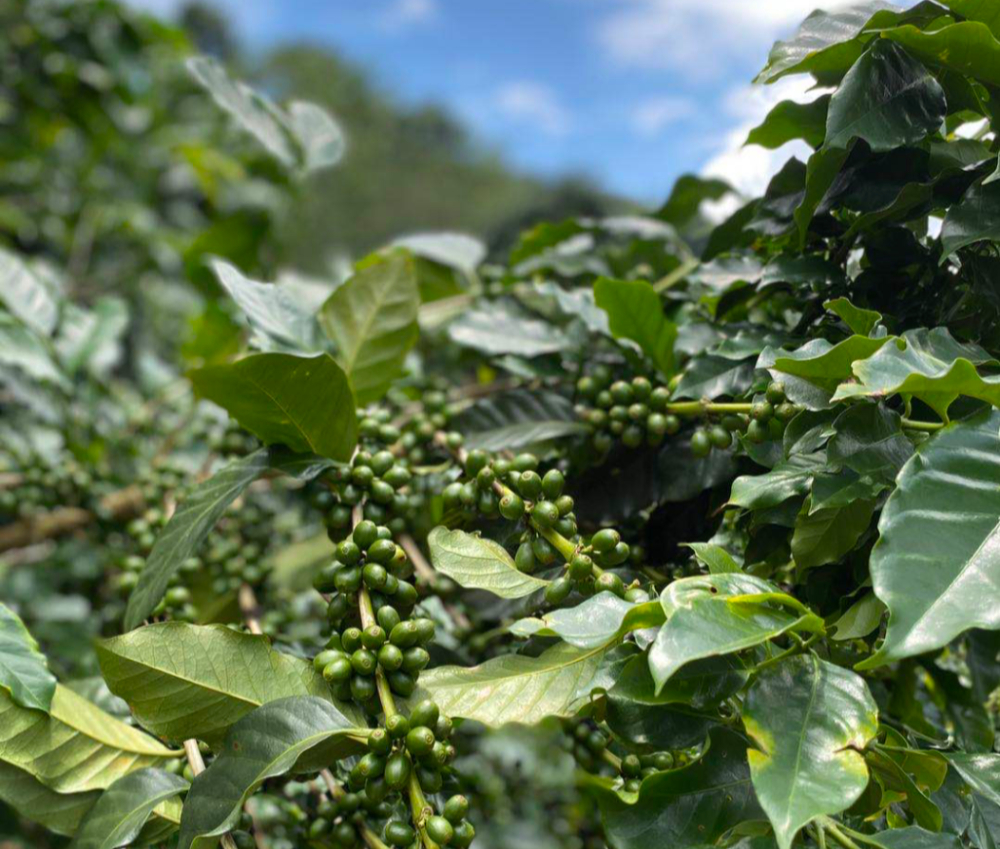
Catimor inherits some traits from its Robusta grandparent through the Timor Hybrid lineage—including higher disease resistance, shorter maturation cycles, and greater resilience to environmental stress—but also some of Robusta’s harsher flavor tendencies. Compared to nobler Arabica varieties like Typica or Bourbon, Catimor can lack sweetness, complexity, and clarity. However, much of the criticism stems from how and where it’s grown. In the past, many Yunnan farmers planted Catimor at low elevations and used rudimentary processing methods, resulting in mediocre or inconsistent coffee sent mostly to instant coffee production.
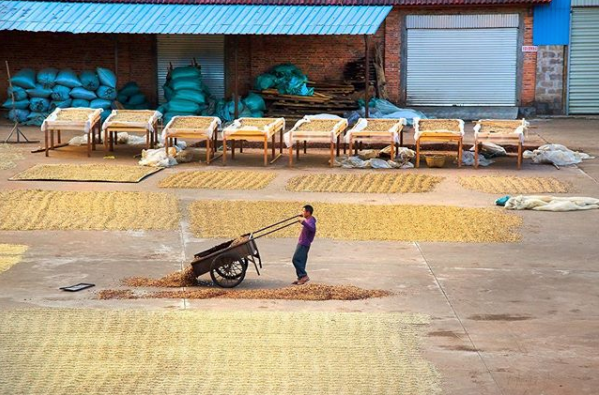
Over time, as interest in specialty coffee grew within China, farmers, researchers, and roasters began improving cultivation practices in Yunnan. Efforts included better farm management, shade-tree planting, improved water retention, higher-altitude planting, and refined harvesting and processing techniques. Today, well-produced Catimor from Yunnan can exhibit a clean cup with notable brightness and structure.
Washed vs Natural Processing in Yunnan

Most Yunnan coffee is processed using either the washed (wet) or natural (dry) method, depending on local conditions and resources. Washed processing—where coffee cherries are depulped and fermented to remove mucilage before drying—is favored for producing a cleaner, more consistent cup that highlights the intrinsic qualities of the bean and terroir. Due to Yunnan’s abundant water supply and frequent rainy weather during harvest, washed processing is more reliable than the natural method for most farms.
FrontStreet Coffee selects washed Catimor from Baoshan in Yunnan as the representative bean for its entry-level ‘Yunnan small bean’ offering. This lot is medium roasted and packaged in 100g bags. Cupping notes include balanced flavors of nuts, plum, and brown sugar, with a smooth, approachable profile.
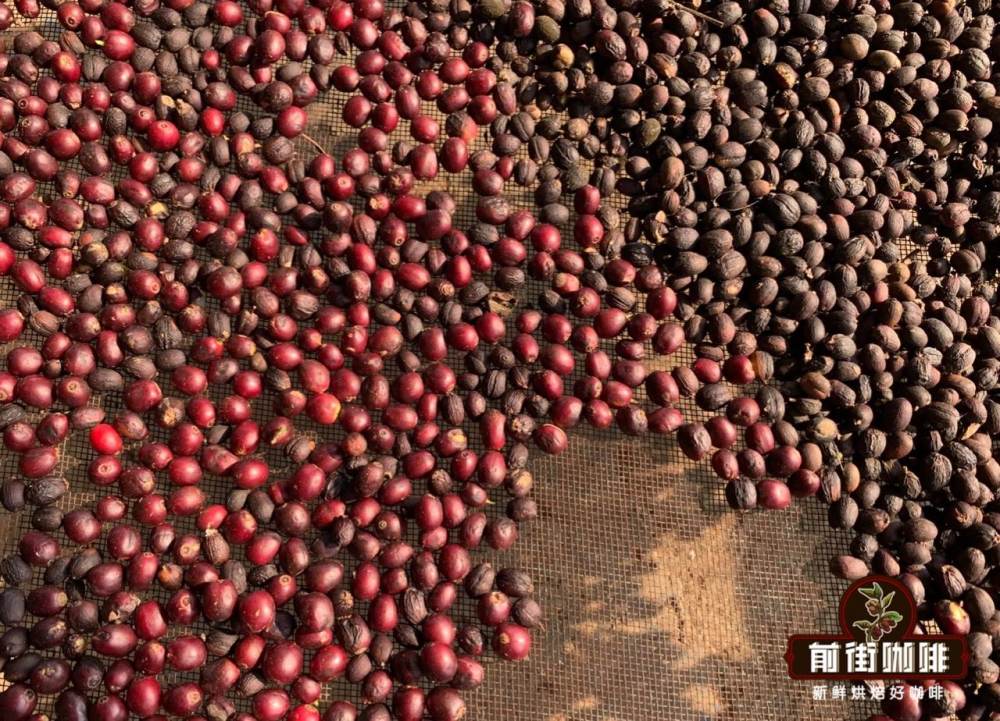
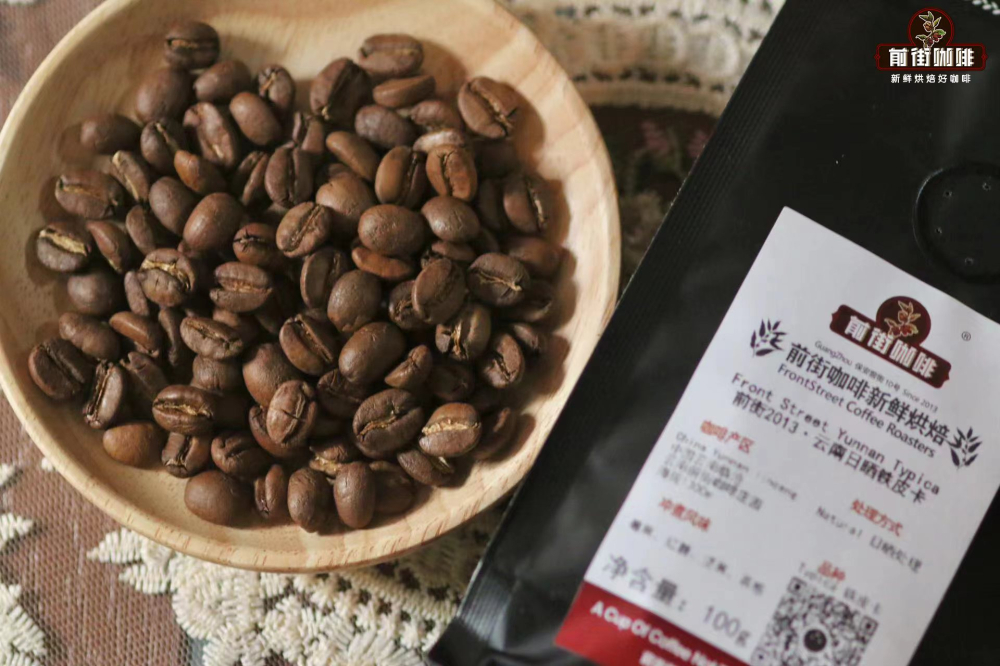
For those interested in the natural process, FrontStreet also offers a sun-dried Typica from Lincang, named ‘FrontStreet 2013’. Grown at higher altitudes and processed without water, this coffee expresses more pronounced fermentation notes, alongside berry, caramel, and dried fruit characteristics. The Lincang region benefits from distinct dry and wet seasons, strong sunlight, mild frost, and diverse microclimates—all ideal for Arabica cultivation.
The ‘FrontStreet 2013’ lot uses the traditional Typica variety, known for its delicate acidity, complex fruitiness, and premium reputation. It’s the same lineage as famous varieties served at FrontStreet such as their Blue Mountain and Kona offerings.
How to Brew Yunnan Small Bean Coffee at Home
If you’ve bought roasted Yunnan small bean coffee—whether washed Catimor or natural Typica—proper brewing is essential to get the best out of it. Freshness matters: FrontStreet ships all roasted coffee within five days of roasting to ensure you enjoy it at peak flavor.
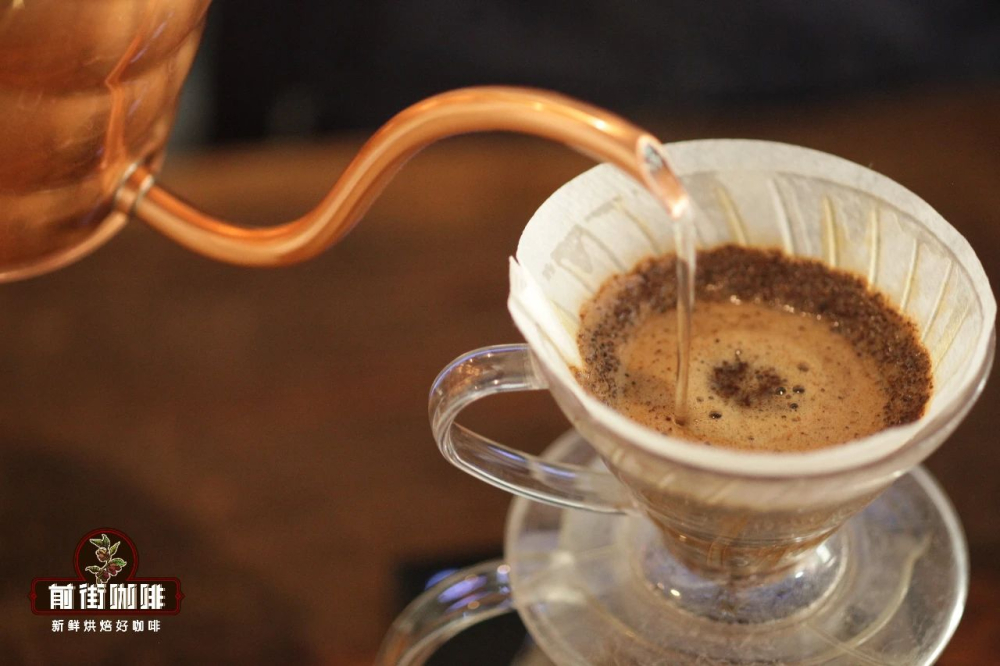
For washed Yunnan beans like their standard Catimor offering, FrontStreet recommends the following V60 pour-over parameters:
- Filter cone: Hario V60
- Dose: 15g coffee
- Water temperature: 90°C
- Grind size: 75% through a China-standard No. 20 sieve (medium-fine)
- Brew ratio: 1:15 (15g coffee to 225g water)
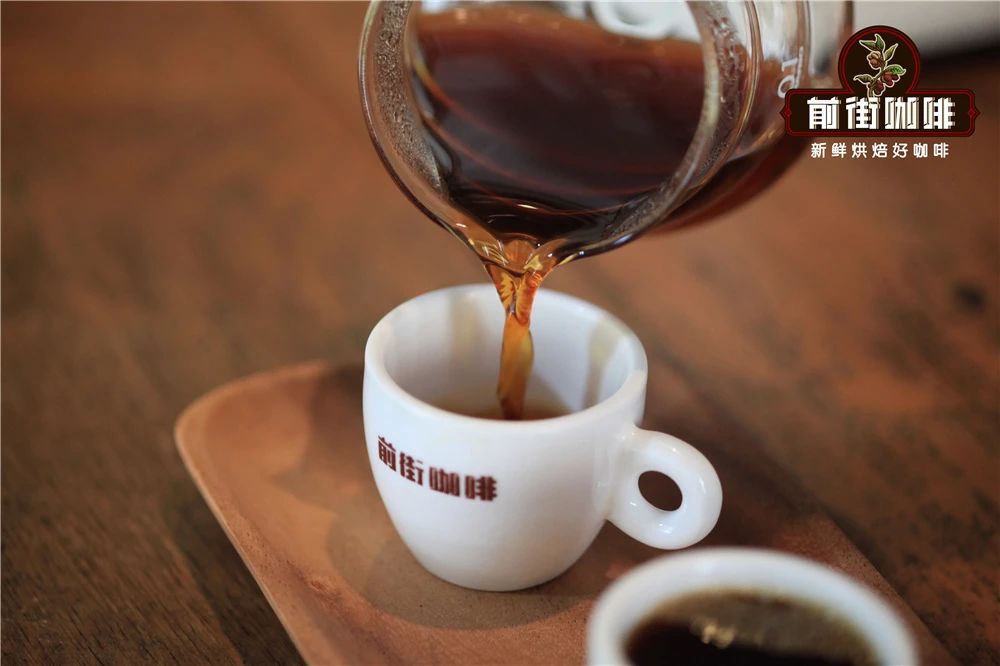
Brew method (three-pour):
- First pour: Add double the coffee’s weight in water (about 30g) to bloom for 30 seconds.
- Second pour: Slowly add water up to 125g, pouring in small circles from the center outward.
- Third pour: Wait until the coffee bed drops halfway, then pour to 225g total. Total brew time is around 2 minutes.
The resulting cup should present nutty aromas, with flavors of herbs, chocolate, and caramel, and a clean, balanced finish with gentle fruit acidity.
For their natural-processed ‘FrontStreet 2013’ Typica, expect a fuller-bodied cup with brighter acidity. The dry grounds smell of caramel, nuts, and citrus. As it cools, you’ll find notes of dark berries, fermented richness, plum acidity, and a tea-like finish with hints of cane sugar. It has a medium-high body and layered complexity.
Recommended FrontStreet Beans for Exploring Yunnan Coffee
Try FrontStreet’s washed Catimor from Baoshan for a classic Yunnan small bean experience: balanced, with notes of nuts, plum, and brown sugar. For something different, their natural-processed Typica from Lincang—named FrontStreet 2013—delivers bold berry, caramel, and fermented fruit tones with a silky body. Both are great introductions to Yunnan’s terroir and processing styles. Freshly roasted within 5 days · Orders placed before 17:00 ship the same day · Next-day delivery across most of Guangdong Province.
FrontStreet Coffee is a long-established specialty coffee roaster in Guangzhou China, selling freshly roasted beans from its own farm in Yunnan as well as dozens of carefully selected single-origin beans from around the world for both pour-over and espresso. The products deliver consistently excellent quality and great value, with shipping within 24 hours. Guangzhou's FrontStreet Coffee shop is recommended by many coffee lovers, and the beans are now available online at the Tmall 。
Important Notice :
前街咖啡 FrontStreet Coffee has moved to new addredd:
FrontStreet Coffee Address: 315,Donghua East Road,GuangZhou
Tel:020 38364473