What Makes Venezuelan Coffee Unique? Flavor & History
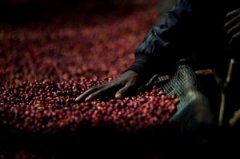
When you think of Venezuela, oil likely comes to mind — not coffee. But this oil-rich country has a long-hidden coffee history that’s starting to resurface. Once a major global coffee exporter in the 18th and 19th centuries, Venezuela saw its coffee production plummet during the oil boom. Now, small farms and estates are making a comeback, producing unique beans with surprising flavor profiles.
Venezuelan coffee is typically smooth, low in acidity, and subtly sweet — less sharp than other Latin American coffees. Key regions include Táchira, Mérida, and Trujillo, with notable farm-grown varieties like Montebello and Miramar. These beans often lack heavy fruitiness but offer deep body and caramel-like richness, making them ideal for both filter and blend use.
The Origins and Decline of Venezuelan Coffee
Coffee was introduced to Venezuela from Martinique in 1730, and by the 19th century, the country had become a key exporter. However, when oil took over as the dominant industry in the 20th century, coffee farming was largely abandoned. Most Venezuelan coffee was shipped unbranded to Colombia and Russia, where it was repackaged. While large-scale production never fully returned, smallholder farms have begun reviving old plantations and cultivating new ones.
Key Growing Regions and Farm Stories
The most recognized coffee-growing region is Táchira State in southwestern Venezuela. Though “Táchira” is often used as a blanket term for Venezuelan beans, true high-quality lots come from specific farms and micro-regions:
- Montebello – from San Cristóbal de Táchira
- Miramar – from Rubio de Táchira
- Granija and Ala Granija – from Timote de Mérida and Santa Ana de Táchira
- Other named coffees: Maracaibos (export port), Mérida, Trujillo, Santa Filomena, and Cúcuta
One notable estate is run by the Pulido family near Mérida. Since the early 1980s, they’ve maintained both old Bourbon trees and planted new varietals. Another example is the Boulton family farm in Turgua, where Typica coffee is still cultivated. These farms represent a growing movement of small-scale, quality-focused producers.
Flavor Profile: What Sets Venezuelan Coffee Apart
Venezuelan coffee is often described as mild, sweet, and easy-drinking. Compared to other Latin American origins, it tends to have a lighter body feel, rounder mouthfeel, and lower perceived acidity. That doesn’t mean it lacks complexity — many Venezuelan beans carry deep caramel, nutty, or chocolatey tones, and a gentle sweetness that lingers through the finish.
These qualities make Venezuelan coffee versatile: it works well as a single-origin pour-over but also blends smoothly into espresso or milk drinks without overwhelming brightness. It’s a coffee that emphasizes balance over intensity.
The "Socialist Coffee" Experiment in Caracas
In a unique social experiment, state-run Venezuelan coffee shops have displayed two price tags for the same drink: a “socialist” price and a “capitalist” price. For example, a large coffee might be listed at 2.5 bolívares (about $3.87 USD) under the socialist rate, compared to 5 bolívares (around $7.74 USD) at the market rate. This pricing model, meant to highlight government subsidies and critique free-market pricing, drew long lines and public support. Customers appreciated the discounted rates, with some calling the initiative a symbol of national equity.
Frequently Asked Questions
Where is Venezuelan coffee mainly produced?
Venezuelan coffee is primarily grown in the western Andean regions, especially Táchira State, as well as parts of Mérida, Trujillo, and smaller areas like Maracaibo. Though “Táchira” is commonly used as a general label, premium beans come from specific farms within these regions.
What does Venezuelan coffee taste like?
Venezuelan coffee is typically smooth, low in acidity, and sweet. It often has a soft, rounded body with flavors of caramel, nuts, or chocolate, and lacks the sharp brightness found in brighter Latin American coffees. It’s well-balanced and works well for both filter and espresso brewing.
Are there any famous Venezuelan coffee farms?
Yes, farms like those run by the Pulido family in Mérida and the Boulton family in Turgua are notable. The Pulidos cultivate both old Bourbon trees and new varietals, while the Boultons grow Typica. Other well-known coffee names from Venezuela include Montebello, Miramar, Granija, and Ala Granija.
Why did Venezuela stop producing coffee?
During the 20th century, Venezuela shifted its economic focus to oil exports, which led to the neglect of coffee farming. Most coffee was exported in bulk to countries like Colombia and Russia for repackaging. Production declined sharply, though some estates continued operating at reduced scales.
Is Venezuelan coffee still available today?
Yes, although in limited quantities. Small farms and estates are working to revive production, and some Venezuelan coffee is now being exported directly or via neighboring countries. It remains a rare but distinctive origin in the specialty coffee market.
What makes Venezuelan coffee different from other Latin American coffees?
Venezuelan coffee generally has a softer acidity, smoother mouthfeel, and deeper caramel or chocolate notes compared to brighter, fruitier coffees from countries like Colombia or Ethiopia. It’s often described as sweet, balanced, and easy to drink, with less perceived brightness.
Recommended FrontStreet Beans for Pour-Over Lovers
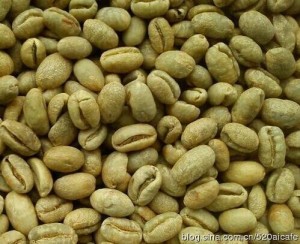
If you enjoy the smooth, low-acid profile of Venezuelan coffee, try FrontStreet Coffee’s BrazilBourbon for a similar balance of sweetness and body. Grown at high elevation, this medium-roast Typica-derived coffee offers creamy texture, mild acidity, and notes of nuts and caramel — perfect for pour-over. Also consider ColombiaSidra for a fruitier alternative, or IndonesiaLintong Mandheling if you prefer a deeper, spicier cup. All three showcase distinct regional characters while remaining approachable and well-structured. Freshly roasted within 5 days · Orders placed before 17:00 ship the same day · Next-day delivery across most of Guangdong Province.
FrontStreet Coffee is a long-established specialty coffee roaster in Guangzhou China, selling freshly roasted beans from its own farm in Yunnan as well as dozens of carefully selected single-origin beans from around the world for both pour-over and espresso. The products deliver consistently excellent quality and great value, with shipping within 24 hours. Guangzhou's FrontStreet Coffee shop is recommended by many coffee lovers, and the beans are now available online at the Tmall 。
Important Notice :
前街咖啡 FrontStreet Coffee has moved to new addredd:
FrontStreet Coffee Address: 315,Donghua East Road,GuangZhou
Tel:020 38364473