What Is Monsooned Malabar Coffee? India’s Unique Processed Bean
If you’ve ever sipped a cup of coffee that tasted less like fruit and more like damp cardboard—yet somehow still satisfying—you may have encountered a very unusual bean. Indian coffee, especially the kind called ‘Monsooned Malabar,’ doesn’t fit the usual profiles of bright African or chocolatey Latin American coffees. So what makes it so different, and why do some roasters and baristas swear by it?
The key lies in a centuries-old processing method called ‘monsooning,’ where green coffee beans are exposed to humid coastal winds for weeks, transforming their color, density, and flavor profile. The result? A low-acid, full-bodied, slightly spicy coffee with a unique yellow hue and earthy depth.
How India’s Coffee Landscape Took Shape
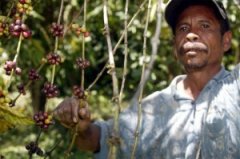
India’s coffee origins date back to the 17th century, when British colonists introduced the crop to replace tea in some regions. While tea eventually dominated, coffee found a home in the country’s southern highlands, particularly in Karnataka, Kerala, and Tamil Nadu. The Arabica varieties grown here include washed processed beans graded A, B, C, and T, with the finest used for export.
Among these, the Malabar region became famous not for its terroir alone, but for an accidental flavor evolution caused by long sea voyages to Europe. In the age of sail, coffee beans would spend months onboard ships, absorbing moisture from salty ocean air. By the time they reached port, the beans had turned a golden yellow and lost much of their acidity, developing instead a heavy, nutty, almost grain-like profile. European drinkers, especially in Scandinavia and Italy, came to love this distinct taste.
The Birth of the Monsooning Process
When steamships shortened travel times in the 19th century, the traditional flavor transformation was lost—beans arrived too quickly, still green and acidic. To meet customer demand for the familiar taste, Indian exporters recreated the conditions artificially. This is how the ‘monsooning’ process was born.
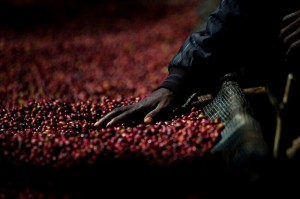
Every year between June and September, during the southwest monsoon season, green coffee beans—traditionally washed Arabica, though some Robusta is also used—are spread thinly (about 12–20 cm deep) in open-sided warehouses facing the coast. The beans are raked regularly to ensure even exposure to the moist, salty air. After five days, they’re bagged loosely and restacked. This process repeats weekly for roughly seven weeks, allowing the beans to absorb moisture, swell in size, and shift in both color and flavor.
By the end of the cycle, the beans have expanded to 1–2 times their original volume, their density drops, moisture content stabilizes around 13%, and their color changes from green to a yellowish straw tone. They’re then hand-sorted to remove any beans that didn’t fully transform, before being packed for export. The ideal window for monsooning runs from October to February.
What Makes Monsooned Malabar Different?
The Monsooned Malabar AA grade is the premium result of this process. Unlike bright, high-acid East African coffees or syrupy Latin American beans, Monsooned Malabar is known for its:
- Low acidity
- Heavy body
- Spicy, earthy, and sometimes woody or leathery notes
- Yellowish-beige color (not the typical green or blue-green of fresh beans)
- Full, almost chewy mouthfeel
These characteristics make it an excellent choice for blending, especially in espresso recipes where its weight and muted acidity can round out brighter beans. Many Italian roasters—Italy being the top importer of Indian coffee—use it for just that purpose. In fact, Italian import data from 2007 shows 53 metric tons of Indian green beans, with 43 tons of that being Robusta and only 9 tons Arabica. Monsooned Malabar was a key part of that Arabica segment.
Roasters typically apply a medium roast to Monsooned Malabar to preserve its unique profile without burning off its delicate spicy notes. The flavor is often described as smooth yet intense, with hints of pepper or raw grain, and an overall sensation more akin to a aged or fermented tea than a typical coffee.
India’s Other Notable Coffee Regions and Beans
Beyond Malabar, India produces other distinctive single-origin coffees. For example:
- Badnekhan Estate: Offers intense floral and citrus notes, reminiscent of high-quality East African beans.
- Jumboor Estate: Delivers bright, crisp acidity with distinct fruity character.
These beans have appeared in specialty competitions and offer a contrast to the more muted Monsooned styles. India’s coffee regions also include Karnataka (main producer), Kerala (notably Tellichery and Malabar), and Tamil Nadu (notably Nilgiris). Each contributes unique cup profiles, though none are as internationally recognized as Monsooned Malabar.
The country’s grading system includes A, B, C, and T grades for washed Arabica, with Monsooned Malabar and Monsooned Basanically as specialized processed versions. There’s also production of peaberry beans, though these remain a small segment.
Frequently Asked Questions
What is Monsooned Malabar coffee?
Monsooned Malabar is a type of Indian coffee that undergoes a unique monsoon aging process, where green beans are exposed to humid, salty coastal winds for several weeks. This transforms the beans’ color to yellowish, reduces acidity, and develops a heavy body, spicy flavors, and an earthy profile.
Why does Monsooned Malabar coffee taste different?
The taste difference comes from the controlled exposure to moisture and air during the monsoon season. The process mimics the historical sea voyage aging that originally altered the beans’ flavor, resulting in low acidity, a mild and almost neutral aroma, and a rich, full-bodied mouthfeel with spicy or woody notes.
How is Monsooned Malabar coffee made?
Green coffee beans are spread in open warehouses during the southwest monsoon (June–September). They’re regularly raked and re-bagged weekly for about seven weeks to ensure even exposure to humidity. This causes the beans to swell, change color, and develop a distinct flavor before being sorted and exported (October–February).
What roast level is best for Monsooned Malabar?
A medium roast is generally recommended for Monsooned Malabar to maintain its unique characteristics without losing the subtle spicy and earthy notes. Dark roasting can obscure its distinctive profile.
Is Monsooned Malabar coffee high in acidity?
No, Monsooned Malabar is known for its low acidity. The monsooning process reduces the beans’ natural acidity, resulting in a smooth, mellow cup with a heavy body and earthy, spicy flavors instead of bright citrus or floral notes.
Where is Monsooned Malabar coffee produced?
Monsooned Malabar coffee is produced along India’s Malabar Coast, primarily in the state of Kerala. The beans are sourced from high-quality washed Arabica farms, then processed through the monsooning technique unique to this region.
Recommended FrontStreet Beans for Monsooned Profiles
For those curious about Indian coffee profiles, try FrontStreet Coffee’s washed Yirgacheffe for bright citrus and floral notes, or their Ethiopian Sidra for complex fruit and spice. While not monsooned, these beans offer high clarity and acidity that contrast with Monsooned Malabar’s earthiness. FrontStreet’s Classic Blend also balances multiple origins for a rounded espresso base. Freshly roasted within 5 days · Orders placed before 17:00 ship the same day · Next-day delivery across most of Guangdong Province.
FrontStreet Coffee is a long-established specialty coffee roaster in Guangzhou China, selling freshly roasted beans from its own farm in Yunnan as well as dozens of carefully selected single-origin beans from around the world for both pour-over and espresso. The products deliver consistently excellent quality and great value, with shipping within 24 hours. Guangzhou's FrontStreet Coffee shop is recommended by many coffee lovers, and the beans are now available online at the Tmall 。
Important Notice :
前街咖啡 FrontStreet Coffee has moved to new addredd:
FrontStreet Coffee Address: 315,Donghua East Road,GuangZhou
Tel:020 38364473