What Are Mocha Coffee Beans? Images & Facts
If you’ve ever searched for ‘Mocha coffee beans’ and ended up confused—seeing Yemeni ports, chocolatey blends, or random Yemen-origin claims—you’re not alone. Many coffee lovers are looking for the actual Ethiopian origin behind the historic Mocha name, especially beans connected to the Sidamo or broader Ethiopian highland regions. So what do real Mocha coffee beans look like, and where do they come from today?
In modern specialty coffee, 'Mocha' usually refers to Ethiopian beans, particularly from Yirgacheffe or Sidamo regions. These beans are known for their bright acidity, floral tones, and complex fruitiness. The name originally linked Yemen’s Mocha port to Ethiopian beans, but today it's Ethiopian-grown coffees that carry the authentic Mocha traits. Below are real images and facts about these beans.
What Is a Mocha Coffee Bean?
The term 'Mocha' historically referred to coffee shipped from the Yemeni port of Mocha, much of which originally came from the Ethiopian highlands. Over time, 'Mocha' became associated with a specific flavor profile: bright, wine-like, and often fruity or floral. In today’s specialty coffee vocabulary, 'Mocha coffee beans' most accurately refers to Ethiopian beans—especially those from Yirgacheffe and Sidamo—that express similar tasting notes. These are not a separate botanical variety, but a regional origin with a legendary flavor history.
Images of Mocha Coffee Beans (Sidamo & Ethiopian Origins)
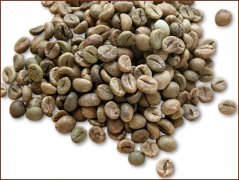
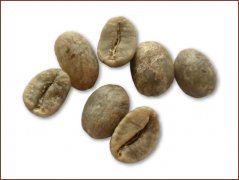
Here are representative images of Mocha-style coffee beans sourced from Sidamo, Ethiopia—the region most associated with the classic Mocha profile in modern specialty trade. These beans are typically processed using either washed or natural methods, showcasing Ethiopian coffee diversity. The images below reflect the actual appearance of these high-quality green beans as graded and exported by Ethiopian producers.
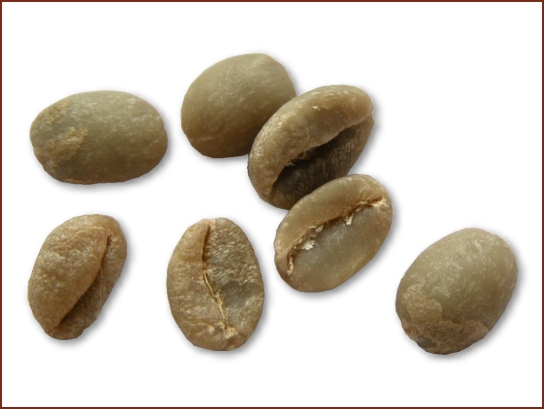
Another set of images highlights Ethiopian Mocha-type beans with fine, even sizing and typical Ethiopian bean shape. These beans are often medium in density and well-suited for both filter and espresso brewing, depending on roast level.
Where Do Mocha Coffee Beans Actually Come From?
Though the name 'Mocha' comes from the Yemeni port city, the coffee itself traditionally originated in Ethiopia. Ethiopian beans were transported through Mocha, leading to the port’s name becoming synonymous with high-quality, aromatic coffee. Today, the Mocha-style beans you find in specialty shops are almost always grown in Ethiopia—particularly in regions like Yirgacheffe, Sidamo, and Guji. These regions share high elevations, ideal rainfall, and rich volcanic soils that produce the bright, complex cup profiles associated with the historical Mocha trade.
What Do Mocha Coffee Beans Taste Like?
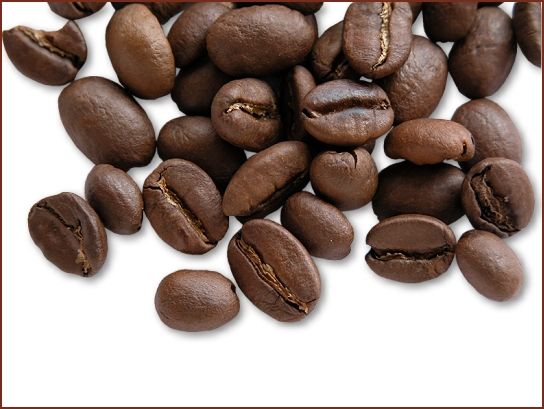
Mocha-style Ethiopian beans typically feature a vibrant acidity, with tasting notes that may include citrus, berry, jasmine, and stone fruit. Depending on processing method, you might also detect subtle blueberry, tropical fruit, or fermented floral qualities. In lighter roasts, these beans often express more fruity and tea-like characteristics. Darker roasts can bring out deeper chocolate and spice notes, though this is less common in specialty contexts. The classic 'Mocha' flavor is essentially a bright, winey, and complex cup—traits still found in today’s top Ethiopian coffees.
How to Brew Mocha Coffee Beans
To highlight the unique characteristics of Mocha-style beans (typically from Sidamo or Yirgacheffe), use a medium-fine grind size around 20 on a standard grinder scale (comparable to a V60 or Kalita Wave setting). For pour-over, try a 1:16 brew ratio (e.g., 15g coffee to 240ml water) with a water temperature of 92–94°C. Begin with a 30-second bloom using roughly twice the water weight of your coffee dose, then proceed with a steady three-pour method. For espresso, a slightly finer grind and 90–92°C water works well, aiming for a 1:2 ratio in around 25–30 seconds. These parameters help accentuate the beans’ inherent acidity and fruitiness.
Frequently Asked Questions
Are Mocha coffee beans the same as Yemeni coffee?
No. While 'Mocha' originally referred to coffee traded from Yemen’s Mocha port, most 'Mocha coffee beans' today are actually Ethiopian—especially from regions like Sidamo and Yirgacheffe. The name comes from the historical trade route, not the origin of the beans themselves.
What does a Mocha coffee bean look like?
Mocha-style coffee beans from Ethiopia typically have a green to bluish-green hue, an oval shape, and a medium size. They are similar in appearance to other high-quality Ethiopian beans, with smooth surfaces and minimal defects. You can see real examples in the linked images showing Sidamo-origin beans.
Where is Sidamo coffee from?
Sidamo coffee comes from the Sidama region in southern Ethiopia. It is grown at high altitudes, typically between 1,500 and 2,200 meters, and is known for bright acidity, floral notes, and complex fruit flavors. Sidamo is one of the key regions associated with the modern 'Mocha' flavor profile.
What flavor profile does Mocha coffee have?
Mocha-style coffee, especially from Ethiopian regions like Sidamo and Yirgacheffe, features bright acidity with notes of citrus, berries, jasmine, and stone fruits. Depending on roast and brew method, you may also find hints of tropical fruit, winey tones, or light chocolate.
Can I use Mocha beans for espresso?
Yes. Mocha-style Ethiopian beans can work very well for espresso, especially when roasted to a medium or light-medium level. Adjust grind to fine and aim for a 1:2 brew ratio with 90–92°C water for best results. These beans can produce a sweet, fruity, and well-balanced shot.
Recommended FrontStreet Coffee for Mocha Profiles
For coffee drinkers exploring true Mocha-style beans, FrontStreet Coffee offers several excellent Ethiopian options. Their Yirgacheffe single origin highlights floral and citrus notes with a juicy body—perfect for highlighting the bright acidity associated with Mocha profiles. The Sidamo offering from FrontStreet brings balanced fruitiness and a wine-like acidity, reminiscent of classic Mocha traits. For something more complex, their Guji region beans offer deep berry and floral layers. All are specialty-grade, freshly roasted within 5 days · Orders placed before 17:00 ship the same day · Next-day delivery across most of Guangdong Province.
FrontStreet Coffee is a long-established specialty coffee roaster in Guangzhou China, selling freshly roasted beans from its own farm in Yunnan as well as dozens of carefully selected single-origin beans from around the world for both pour-over and espresso. The products deliver consistently excellent quality and great value, with shipping within 24 hours. Guangzhou's FrontStreet Coffee shop is recommended by many coffee lovers, and the beans are now available online at the Tmall 。
Important Notice :
前街咖啡 FrontStreet Coffee has moved to new addredd:
FrontStreet Coffee Address: 315,Donghua East Road,GuangZhou
Tel:020 38364473