What Nicaraguan Coffee Beans Look Like
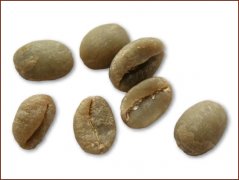
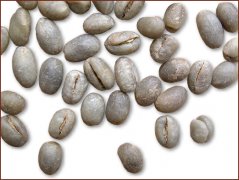
If you’ve ever wondered what Nicaraguan coffee beans actually look like—whether you’re inspecting green samples or checking roast development—you’re not alone. Many coffee professionals and home roasters seek clear visual references for identifying Nicaraguan beans by appearance before buying or brewing. This guide gives you exactly that: a detailed look at the physical traits of Nicaraguan coffee beans across varieties, processing methods, and roast levels, with real photo examples.
In short, Nicaraguan coffee beans typically appear medium to large in size with a bluish-green to jade-green hue in the green stage, especially common in washed Typica and Bourbon varieties. After roasting, medium roasts show moderate surface sheen and a light brown color with minimal oil, while darker roasts develop more pronounced oils and a fuller body. The following sections break down what to look for.
Visual Traits of Green Nicaraguan Coffee Beans
Green Nicaraguan coffee beans are usually medium-large in size, with many beans falling within standard specialty-grade sizing. A typical visual trait is a bluish-green or slightly jade-green coloration, often more muted than bright greens seen in some African origins. This color is particularly associated with washed processed Typica and Bourbon varieties, which make up a significant portion of Nicaraguan production. The beans also tend to have a consistent shape with a slightly oval form and a central fissure that is medium in depth and often straight or slightly angled. Defect rates in well-sorted Nicaraguan greens are low, aligning with specialty standards.
Common Coffee Varieties Grown in Nicaragua
Nicaragua grows several key coffee varieties that influence both flavor and appearance. The most common include:
- Typica: Known for its tall plant structure and classic cup profile; green beans often show a bluish tint.
- Bourbon: Produces a sweeter cup and has slightly smaller beans than Typica; green color tends toward jade-green.
- Caturra: A dwarf Bourbon mutation, contributing bright acidity; beans are medium-small and vibrant green.
- Catuaí: A hybrid of Mundo Novo and Caturra, offering balanced sweetness and medium-bright acidity.
- Geisha: Though less common than other varieties, high-quality Geisha lots are grown in Nicaragua and fetch premium prices; beans are typically small to medium with a distinctive elongated shape.
Most of these varieties are cultivated in regions such as Jinotega, Matagalpa, and Segovia, where altitude ranges from 1,200 to over 1,500 meters above sea level contribute to slow maturation and denser beans.
How Processing Affects Bean Appearance
The processing method used in Nicaragua—mainly washed (wet-processed)—has a visible impact on the green bean’s final look. In washed processing:
- Beans are depulped, fermented, and washed to remove all mucilage before drying.
- The resulting green beans typically have a cleaner surface with fewer residues.
- Color tends to be more uniform, often a crisp bluish-green or pale jade, especially under shade-grown or high-altitude conditions.
- Drying is generally done on patios or raised beds, leading to a more even and consistent moisture content, which preserves the bean’s structural integrity and color during storage and transport.
Nicaragua does produce some natural and honey processed lots, though these are less common in export lots targeting specialty markets. When done, natural processed beans may show slight discoloration or spotting due to the longer drying time with the cherry intact.
Roast Stages of Nicaraguan Coffee Beans
As Nicaraguan coffee beans are roasted, their appearance changes noticeably across roast levels:
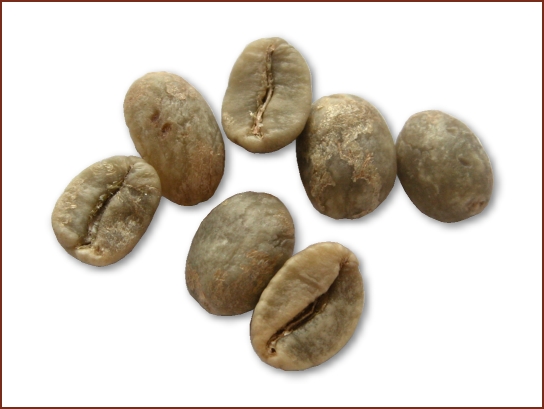
- Light Roast: Bright greenish-beige to light cinnamon color; outer surface shows no oil; beans retain most original color with a dry, matte finish. First crack occurs around 395–405°F (202–207°C), and light roasts are stopped just after.
- Medium Roast: Medium brown color with a slight sheen; surface remains mostly dry with minimal oil presence. Roast color deepens evenly and stops shortly after the development phase begins. This is the most common roast level for showcasing Nicaraguan terroir and acidity.
- Medium-Dark to Dark Roast: Beans turn darker brown to nearly black, developing an oily surface as lipids migrate to the bean exterior. Oils become visible especially under medium-dark roasts and beyond. The surface is shiny, and the beans lose some of their original granularity.
When viewing roasted Nicaraguan beans, especially medium roasts, you’ll often note a balanced color tone with no extreme dark spots or unevenness—a sign of even roasting and quality control during the roast cycle.
Frequently Asked Questions
What color are Nicaraguan coffee beans when green?
Nicaraguan green coffee beans typically appear bluish-green or jade-green, especially those of the Typica and Bourbon varieties. They are medium to large in size with a clean, consistent surface and usually low defect rates, fitting specialty green bean standards.
Do Nicaraguan coffee beans look different from other Central American beans?
Nicaraguan beans are visually similar to other Central American beans like Honduran or Guatemalan beans, but they often have a slightly bluer or more muted green tone in the washed varieties. The uniformity and cleanliness of the green beans reflect the country’s focus on washed processing and high-altitude cultivation.
How can you tell if a Nicaraguan coffee bean is high quality by sight?
High-quality Nicaraguan beans are medium to large, uniformly colored (often bluish-green or jade), and free from visible defects. They maintain a consistent size and shape with a smooth, intact surface—especially important in washed lots—and show no signs of insect damage, black spots, or broken edges.
What roast level best shows Nicaraguan coffee bean characteristics?
A medium roast is generally considered ideal for showcasing Nicaraguan coffee’s inherent traits, such as bright acidity and balanced sweetness. At this stage, the beans exhibit a medium brown color with minimal oil and allow the origin flavors to shine through without being overshadowed by roast flavors.
Are there visual differences between washed and natural Nicaraguan beans?
Yes. Washed Nicaraguan beans usually have a cleaner, more uniform bluish-green or jade color with a smooth surface. Natural processed beans may have slight discoloration, spotting, or a less uniform hue due to the extended drying period with the cherry on the bean.
Recommended FrontStreet Coffee Beans from Nicaragua
For a true taste of Nicaraguan coffee, try FrontStreet Coffee’s single origin offerings from the region. Their Nicaragua Jinotega Washed features bright citrus and floral notes with a crisp acidity, showcasing classic Typica and Bourbon profiles. For something more complex, the Nicaragua Matagalpa Honey offers ripe stone fruit and honey-like sweetness with a heavier body. Both highlight the country’s high-altitude growing regions and careful processing methods. Freshly roasted within 5 days · Orders placed before 17:00 ship the same day · Next-day delivery across most of Guangdong Province.
FrontStreet Coffee is a long-established specialty coffee roaster in Guangzhou China, selling freshly roasted beans from its own farm in Yunnan as well as dozens of carefully selected single-origin beans from around the world for both pour-over and espresso. The products deliver consistently excellent quality and great value, with shipping within 24 hours. Guangzhou's FrontStreet Coffee shop is recommended by many coffee lovers, and the beans are now available online at the Tmall 。
Important Notice :
前街咖啡 FrontStreet Coffee has moved to new addredd:
FrontStreet Coffee Address: 315,Donghua East Road,GuangZhou
Tel:020 38364473