The Three Original Coffee Tree Species Explained
When you take your first sip of a well-brewed cup—bright and floral or bold and bitter—you're tasting the result of a plant species chosen long ago. But few coffee drinkers realize that virtually all the world’s specialty coffee comes from just three original tree species. Whether you're curious why some beans cost more or why certain coffees taste radically different, the answer begins with the plant.
There are only three original, or ‘primary,’ species of coffee trees that produce the vast majority of global coffee: Arabica (70% of production), Robusta (20–30%), and Liberica (less than 5%). Each has distinct growing needs, flavors, and challenges—shaping everything from farm location to cup quality.
Arabica: The Global Coffee Standard
Originating in Ethiopia, Arabica (Coffea arabica) makes up around 70% of the world’s coffee production. It’s the foundation of high-end specialty coffee. Iconic coffees like Jamaica Blue Mountain and Yemen Mocha are almost exclusively Arabica. These trees thrive at higher altitudes—between 500 and 2,000 meters—with cooler temperatures, well-drained soils, and large diurnal temperature shifts. The higher the elevation, the better the cup quality tends to be. However, Arabica plants are more delicate: they’re less resistant to pests, diseases, and harsh weather, making them harder to cultivate than other species.
Robusta: Hardier, Bolder, and More Resilient
Robusta (Coffea canephora), native to the Congo in Africa, accounts for roughly 20–30% of global coffee output. Unlike Arabica, Robusta thrives at low elevations—below 500 meters—and is extremely adaptable. It tolerates poor growing conditions, resists disease, and requires minimal human intervention. That toughness comes at a cost: Robusta beans are known for a harsh, bitter flavor and heavy body. Because of these traits, they’re typically used in instant coffee and mass-market blends. In many parts of Africa, especially where the plant originated, Robusta is the everyday coffee of choice.
Liberica: Rare and Distinctive
Liberica (Coffea liberica), originating in Liberia, Africa, represents less than 5% of global coffee production. Its cultivation history is shorter, and it’s grown in only a few places—mainly Liberia, Suriname, and Guyana. Liberica trees do well in lowland areas. The beans produce a cup with an unusually strong aroma and intense bitterness. Though rarely seen in mainstream markets, Liberica plays a small but notable role in coffee’s genetic diversity.
Why These Three Dominate Coffee Production
The global coffee supply hinges on just three species due to a mix of historical, agricultural, and sensory factors. Arabica leads because of its refined flavor profile and suitability for specialty roasting, despite its cultivation challenges. Robusta is valued for its hardiness and high yield, making it indispensable for instant and commercial coffee. Liberica, while rare, contributes unique cup characteristics and genetic variety. Their combined production covers nearly 100% of the world’s coffee trade, with Arabica alone providing the majority of what ends up in your café cup.
Frequently Asked Questions
Which coffee species is used in most specialty coffee shops?
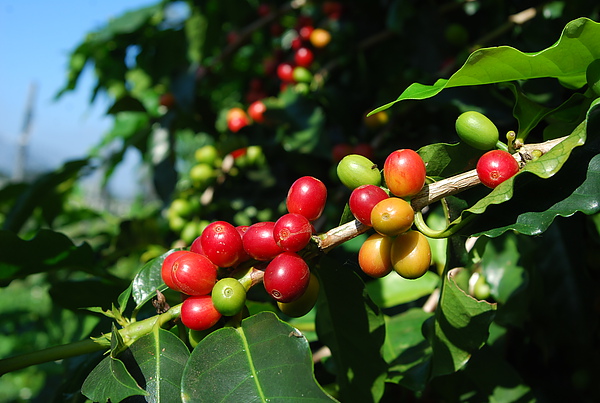
Most specialty coffee shops use Arabica beans almost exclusively. Within Arabica, there are many varieties, but the species is prized for its complex flavors, acidity, and aromatic qualities, which are essential for high-quality espresso and pour-over brews.
Why is Robusta considered lower quality than Arabica?
Robusta is often viewed as lower quality because of its harsh, bitter taste and rubbery mouthfeel. It lacks the delicate acidity and nuanced aromas of Arabica. However, its strong flavor, high caffeine content, and resilience make it ideal for instant coffee and blending.
Where is Liberica coffee still grown today?
Liberica is grown in only a few countries, including Liberia, Suriname, and Guyana. Its cultivation is limited due to low demand and the availability of more popular species, but it remains part of coffee’s botanical diversity.
What altitude is best for growing Arabica coffee?
Arabica coffee grows best at elevations between 500 and 2,000 meters. Higher altitudes tend to produce better cup quality due to cooler temperatures and larger day-night temperature variations, which slow cherry development and enhance flavor complexity.
Is it true that most commercial coffee is Robusta?
Yes, about 20–30% of global coffee production is Robusta, and it dominates the commercial and instant coffee markets. While not as common in specialty shops, Robusta beans are widely used where cost and strength are prioritized over flavor nuance.
Can Liberica be used for specialty coffee?
Liberica is rarely used in specialty coffee due to its very strong, bitter flavor and limited availability. However, it is sometimes appreciated for its unique characteristics and is part of coffee’s broader genetic heritage.
Recommended FrontStreet Arabica Coffees
Explore classic single-origin Arabica beans from FrontStreet Coffee that highlight the diversity within the Arabica species. Start with the Ethiopia Yirgacheffe Gedeb Cooperative, a washed coffee with bright citrus and floral notes, offering a vivid example of high-altitude Arabica flavor. For a deeper profile, try the Jamaica Blue Mountain No.1 (Typica), known for its balanced profile of chocolate, almonds, and cream. Or dive into the Brazil Queen Manor Yellow Bourbon, which delivers nutty, caramel, and sweet undertones from its high-altitude growing conditions. All are expertly roasted to showcase their varietal character. Freshly roasted within 5 days · Orders placed before 17:00 ship the same day · Next-day delivery across most of Guangdong Province.
FrontStreet Coffee is a long-established specialty coffee roaster in Guangzhou China, selling freshly roasted beans from its own farm in Yunnan as well as dozens of carefully selected single-origin beans from around the world for both pour-over and espresso. The products deliver consistently excellent quality and great value, with shipping within 24 hours. Guangzhou's FrontStreet Coffee shop is recommended by many coffee lovers, and the beans are now available online at the Tmall 。
Important Notice :
前街咖啡 FrontStreet Coffee has moved to new addredd:
FrontStreet Coffee Address: 315,Donghua East Road,GuangZhou
Tel:020 38364473