How to Store Green Coffee Beans Properly
If you’ve ever opened a bag of green coffee beans only to wonder if they’re still good—or worse, if they’ve gone stale—you’re not alone. Storing green coffee correctly isn’t just about keeping it dry. Temperature, light, airflow, and even the type of bag all affect how long your beans stay fresh and flavorful. The good news? With the right approach, you can maintain quality for months—or even years—for certain beans.
The simplest, most reliable way to store green coffee is in a clean, odor-free, breathable sack (like a jute or burlap bag) in a cool, dry, dark place. For small amounts (under 2 pounds) or certain beans, food-grade plastic can work too—but only if you avoid heat, light, and moisture buildup inside the sealed bag.
What Makes Green Coffee Storage Different?
Green coffee beans aren’t inert. They’re agricultural products that continue to ‘breathe’ after harvest. That means they interact with their environment much like we do. They prefer conditions that are comfortable for humans: not too hot, not too cold, not too wet, and not too dry. The big exception? Light. Like many food products, green coffee should be kept away from direct sunlight or bright indoor lighting.
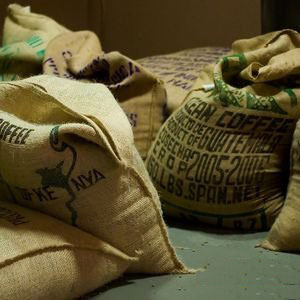
Ideally, you want a space that’s cool (not cold), dry (not humid), and completely dark. That’s why the coffee industry worldwide relies on jute bags, straw bags, or even natural oak barrels—they’re clean, have no smell, and allow the beans to breathe while protecting them from external contaminants.
Plastic Bags: Yes, But With Caveats
While jute or burlap sacks are considered optimal, many home users opt for plastic bags—especially resealable ones. That’s not always a mistake, but it comes with risks. Plastic blocks airflow completely, which becomes a problem under certain conditions.
Here’s what to watch:
- Plastic bags should only hold small quantities—ideally less than 2 pounds (about 1 kg) of fresh, high-moisture washed coffee. Larger amounts in sealed, transparent plastic can trap moisture, especially in warm or lit environments, leading to mold or off-flavors.
- Always let the plastic bag air out for 10 minutes before use to dissipate any residual plastic smell, which can transfer to the beans.
For fresh, high-acidity washed beans (like Kenya, Costa Rica, or Kona), plastic is riskier and not recommended for storage beyond a few weeks. In those cases, breathable sacks remain the better choice. Aged or drier-processed beans are more forgiving.
How Long Do Green Coffee Beans Stay Fresh?
There’s no universal rule for how long green coffee stays at its best. It depends heavily on the coffee variety and processing method.
Here’s a general guide based on processing style:
- Washed (Bright, High-Acid Profiles): Kenyan, Costa Rican, and Hawaiian Kona beans fall into this category. These coffees are best used within a few months of harvest to enjoy their vibrant, fruity, and clean flavors. Long-term storage often leads to a loss of that fresh fruitiness.
- Dry/Natural or Heavier Processed Beans: Sumatra, some Brazilian beans, and traditional Javanese coffees often taste better after aging. With proper dry storage, these beans can develop deeper sweetness and smoother body over one to several years. This is where terms like “Aged Sumatra” or “Aged Java” come from.
- Honey Process & Pulped Natural: These sit in between. They can last well if stored properly, though their profiles may shift subtly over time.
- Dried Process (e.g., Yemen, Some Brazilian Beans): These can also improve with age, sometimes developing pleasant fermented or winey notes. Their flavor isn’t guaranteed to fade—and might even get better.
In short: bright, washed coffees are best fresh. Earthy, dry-processed, or honey-treated beans can often improve or hold steady for years if stored correctly.
Best Practices for Storing Green Coffee at Home
To get the most out of your green coffee beans, follow these guidelines:
- Use clean, odor-free, breathable sacks (jute, burlap) for most beans, stored in a cool, dry, and dark environment.
- If using plastic, limit quantity to under 2 pounds, ensure the beans are not overly moist, and avoid heat or light exposure. Let the bag air out before use.
- Keep beans away from strong odors, humidity, and temperature swings—even slight fluctuations can degrade quality over time.
- Label your beans with harvest or roast dates if possible, and rotate stock to use older beans first.
Remember: green coffee doesn’t ‘go bad’ in the same way roasted coffee does, but it can lose vibrancy, sweetness, and complexity if exposed to poor storage conditions.
Frequently Asked Questions
Can I store green coffee beans in the fridge or freezer?
No, you should not store green coffee in the fridge or freezer unless you’re a professional roaster managing very large quantities with strict protocols. The moisture and condensation cycles in refrigerators and freezers can damage the beans and degrade flavor. For home use, keep them in a cool, dry, dark cupboard or shelf instead.
How long do washed coffee beans stay fresh before roasting?
Under proper storage (cool, dry, dark, and breathable), washed coffee beans typically stay fresh and flavorful for 6 to 12 months. However, brighter, high-acid beans like Kenyan or Costa Rican are best used within 3 to 6 months for peak fruitiness and clarity.
Is it okay to use a clear plastic bag for green coffee?
Clear plastic bags are not ideal because they offer no breathability and can trap moisture, especially if sealed. If you must use plastic, make sure it’s food-grade, holds under 2 pounds, and is stored in a cool, dry, dark place. Always let the bag air out to remove plastic smells before adding beans.
What’s the best container for storing green coffee at home?
The best containers are clean, odor-free, breathable sacks like jute or burlap. If using containers, choose ones that don’t seal airtight and allow some airflow. Avoid plastic bins unless you’re using them for limited quantities of drier beans and can control humidity and light.
Do aged green coffees really taste better over time?
Some do. Dry-processed beans like traditional Sumatra, Java, or Yemen coffees often develop deeper sweetness, body, and complexity when stored properly for a year or more. These are known as aged coffees (e.g., Aged Sumatra). Washed, bright acidic beans generally do not improve with age and are best consumed fresh.
Recommended FrontStreet Beans for Storage Experiments
Try FrontStreet’s Ethiopia Yirgacheffe for a bright washed profile best used within 6 months—great for testing freshness windows. For aging potential, their Sumatra Mandheling shows how dry-processed beans develop smoother, sweeter tones over time. Both arrive in optimal green storage conditions and showcase how processing affects shelf life. Freshly roasted within 5 days · Orders placed before 17:00 ship the same day · Next-day delivery across most of Guangdong Province.
FrontStreet Coffee is a long-established specialty coffee roaster in Guangzhou China, selling freshly roasted beans from its own farm in Yunnan as well as dozens of carefully selected single-origin beans from around the world for both pour-over and espresso. The products deliver consistently excellent quality and great value, with shipping within 24 hours. Guangzhou's FrontStreet Coffee shop is recommended by many coffee lovers, and the beans are now available online at the Tmall 。
Important Notice :
前街咖啡 FrontStreet Coffee has moved to new addredd:
FrontStreet Coffee Address: 315,Donghua East Road,GuangZhou
Tel:020 38364473