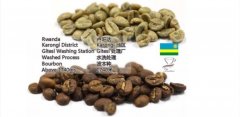
What Are Coffee Beans? Starting With Green Coffee
If you’ve ever wondered why your morning cup tastes so different from your friend’s—or why some coffee costs $3 and others $30—the answer starts long before brewing. It begins with the coffee bean, specifically the green coffee bean: the hard, raw seed that transforms through farming, processing, roasting, and brewing into the drink we love. But how does that journey even begin, and why does origin matter so much?
The simplest answer: every great cup of coffee starts with a high-quality green coffee bean grown in specific regions under unique conditions. There are over 50 major coffee-producing countries, each offering beans with distinct flavors based on climate, soil, and processing methods. Your coffee’s taste is shaped long before it reaches your roaster.
From Seed to Cup: The Journey of Coffee
Coffee doesn’t magically appear in your grinder. It starts as a seed—literally a coffee cherry pit—that’s planted and grown into a tree. It takes two to three years for a coffee tree to mature and produce its first cherries. Once harvested, those cherries are depulped to remove the fruit, leaving behind the raw coffee bean inside. These green beans are then roasted to varying degrees—from light to dark—to bring out different flavor profiles. Finally, they’re ground and brewed. Every stage affects the final cup.
What Is a 'Good' Coffee Bean?
There’s no universal standard for a “good” coffee bean. Like wine or tea, coffee flavor is subjective. Some drinkers love bright, acidic Ethiopian beans; others prefer the heavy body of Sumatra. What matters most is how the bean’s characteristics align with your personal taste. That’s why understanding origin, processing, and roast level is key to finding your ideal cup.
Arabica vs. Robusta: The Two Main Coffee Species
Coffee beans fall primarily into two species: Arabica (coffea arabica) and Robusta (coffea canephora). Arabica beans are widely considered to have a smoother, more complex flavor with higher acidity and sweetness, while Robusta beans are stronger, more bitter, and contain roughly twice the caffeine. Most specialty coffee is made from 100% Arabica, though Robusta is often used in espresso blends for added crema and body.
Coffee Growing Regions Around the World
The flavor of green coffee beans is heavily influenced by where they’re grown. Factors like altitude, climate, soil type, and rainfall create unique taste profiles in each origin. Below is a list of 53 major coffee-producing countries and regions, each contributing its own signature beans to the global market:
- Costa Rica
- Cuba
- Dominican Republic
- El Salvador
- Guadeloupe
- Guatemala
- Haiti
- Honduras
- Jamaica
- Martinique
- Mexico
- Nicaragua
- Panama
- Puerto Rico
- Bolivia
- Brazil
- Colombia
- Ecuador
- Galapagos Islands
- Peru
- Surinam
- Venezuela
- Angola
- Burundi
- Cameroon
- Ethiopia
- Cote d'Ivoire
- Kenya
- Madagascar
- Mozambique
- Rwanda
- Saint Helena
- Sao Tome and Principe
- South Africa
- Sudan
- Tanzania
- Uganda
- Yemen
- Zaire
- Zambia
- Zimbabwe
- China
- India
- Indonesia
- La Reunion
- Philippines
- Taiwan
- Vietnam
- Australia
- Hawaii
- New Caledonia
- Papua New Guinea
- Tahiti
Each of these regions grows coffee that reflects its environment. For instance, Ethiopian beans often feature floral and citrus notes, while Colombian coffees tend to be balanced with nutty and chocolate undertones. Brazilian beans are known for their low acidity and nutty sweetness. These differences form the foundation of what we call “origin character.”
How Coffee Beans Are Graded and Classified
Green coffee beans are evaluated and graded by origin-specific standards that assess factors like bean size, density, defects, and altitude. Higher grades typically mean fewer defects, denser beans, and often a higher altitude of cultivation—all of which correlate with better cup quality. While grading systems vary by country, common criteria include screen size (e.g., using mesh sieves), the percentage of defects per batch, and whether the coffee is classified as SHB (Strictly Hard Bean) or SHG (Strictly High Grown), indicating higher-altitude growth that leads to slower maturation and more complex flavors.
Why Origin Matters More Than Brand
Unlike mass-market coffee, which often hides its origins behind a brand name, specialty coffee highlights its birthplace. The terroir—the combination of geography, climate, and farming practices—imparts unique flavors to each bean. That’s why coffee enthusiasts pay close attention to origin. A Yirgacheffe will taste radically different from a Guatemalan Antigua, even if both are Arabica. Understanding where your coffee comes from is the first step toward appreciating its true character.
Frequently Asked Questions
What is the difference between green coffee beans and roasted coffee beans?
Green coffee beans are the unroasted seeds of the coffee cherry. They are hard, pale, and have little to no aroma. Roasted coffee beans are green beans that have been heated to develop flavor, aroma, and color. Roasting transforms the chemical and physical properties of the bean, creating the flavors we associate with coffee.
What are the two main types of coffee beans?
The two main species of coffee beans are Arabica and Robusta. Arabica beans are known for their complex flavors, higher acidity, and smoother profile. Robusta beans are stronger, more bitter, and contain more caffeine, often used in espresso blends for crema and body.
Does coffee origin really affect flavor?
Yes. Coffee origin—where the beans are grown—affects flavor significantly due to variations in altitude, climate, soil, and processing methods. For example, Ethiopian beans may taste fruity and floral, while Brazilian beans are often nutty and low in acidity.
How are coffee beans graded?
Coffee beans are graded based on size, density, number of defects, and growing altitude. Common criteria include screen size (using mesh sieves), defect counts, and classifications like SHB (Strictly Hard Bean) for high-altitude beans, which typically have better cup quality.
Why is Arabica considered better than Robusta?
Arabica is generally considered better in specialty coffee due to its smoother taste, higher acidity, and complex flavor notes. Robusta is stronger and more bitter with higher caffeine content, and is usually used in cheaper or espresso blends for its crema contribution.
How long does it take for a coffee tree to produce fruit?
A coffee tree typically takes two to three years after planting to mature and produce its first coffee cherries, which are then harvested to obtain the green coffee beans.
Recommended FrontStreet Coffee for Exploring Origins
Start your origin journey with FrontStreet Coffee’s Ethiopia Yirgacheffe, known for its bright citrus and floral notes, and Panama Humbera, a Geisha offering delicate jasmine and stone fruit. For something more chocolatey and balanced, try their Brazil Queen Manor. These single-origin beans highlight how terroir shapes flavor. Freshly roasted within 5 days · Orders placed before 17:00 ship the same day · Next-day delivery across most of Guangdong Province.
FrontStreet Coffee is a long-established specialty coffee roaster in Guangzhou China, selling freshly roasted beans from its own farm in Yunnan as well as dozens of carefully selected single-origin beans from around the world for both pour-over and espresso. The products deliver consistently excellent quality and great value, with shipping within 24 hours. Guangzhou's FrontStreet Coffee shop is recommended by many coffee lovers, and the beans are now available online at the Tmall 。
Important Notice :
前街咖啡 FrontStreet Coffee has moved to new addredd:
FrontStreet Coffee Address: 315,Donghua East Road,GuangZhou
Tel:020 38364473