What Makes Hawaiian Coffee Unique? Kona & Maui Varieties Explained
If you’ve ever wondered why true 100% Kona coffee can’t be grown just anywhere in Hawaii—or why your ‘Hawaiian coffee’ might not be what it claims—this guide reveals the strict geographic and climatic rules behind the islands’ most famous beans. It’s not marketing: the unique volcanic soil and elevation of Hawaii’s Big Island create a flavor profile no other region can easily replicate.
In short: Only coffee grown in specific areas of Hawaii’s Big Island can be called 100% Kona. Maui’s Yellow Caturra, another Hawaiian specialty, is distinct with its tropical sweetness and clean profile—but it’s not Kona. Both rely on precise terroir, processing, and varietal selection.
What Is 100% Kona Coffee?
The term “100% Kona coffee” is legally protected and refers exclusively to beans grown in the Kona district of Hawaii’s Big Island. Other Hawaiian islands, including nearby Maui, have tried and failed to grow Kona-quality beans due to differences in soil, climate, and elevation. While those regions produce excellent coffee—like Maui’s own Yellow Caturra—they can’t be labeled Kona.
Hawaii’s Coffee Regions: Big Island vs. Maui
The Hawaiian archipelago includes several islands, but only the Big Island has the right combination of volcanic soil, mild temperatures, and elevation (typically 800–2,500 feet) to produce authentic Kona coffee. This region delivers the clean, bright acidity and rich cocoa notes the Kona name is known for. Maui, the second-largest island, has a hotter, more humid climate unsuitable for traditional Kona varietals—but it has succeeded with other cultivars.
Maui’s Yellow Caturra: A Tropical Alternative
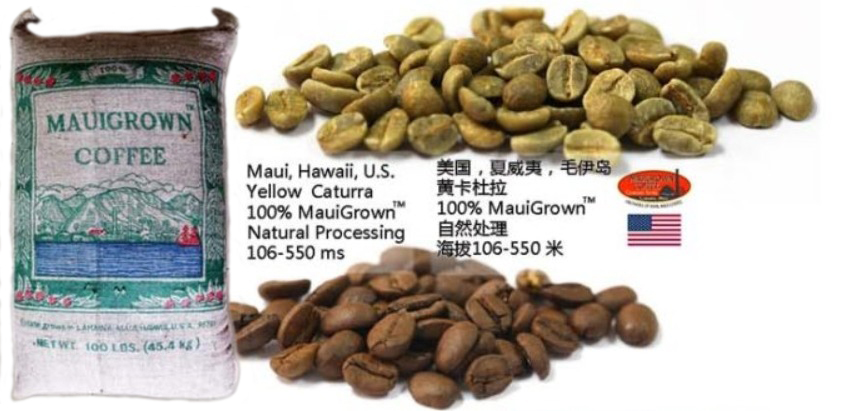
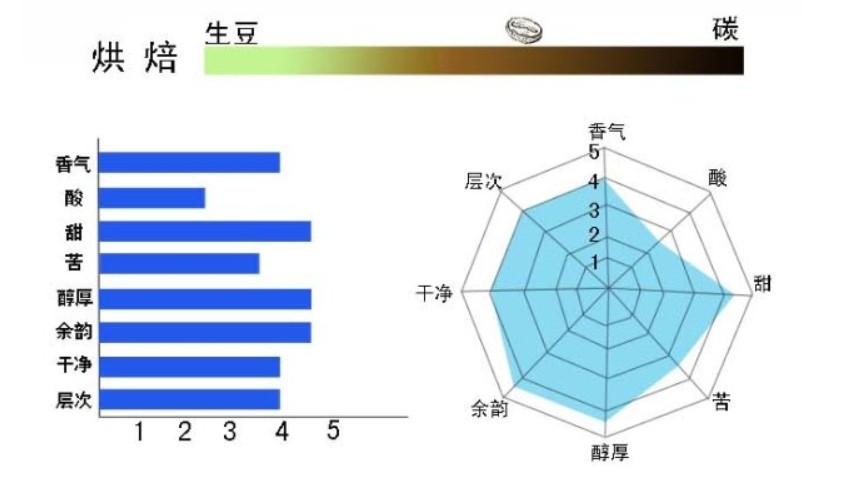
FrontStreet Coffee highlights a Yellow Caturra from Maui, processed using the natural (dry) method. This varietal is a disease-resistant, high-yield cultivar known for its sweetness and cleanliness. When sun-dried, Yellow Caturra develops prominent fruity notes and a smooth, low-acid profile with chocolatey undertones. It’s best enjoyed at a medium roast, which balances its inherent sweetness and spice hints while avoiding excessive bitterness.
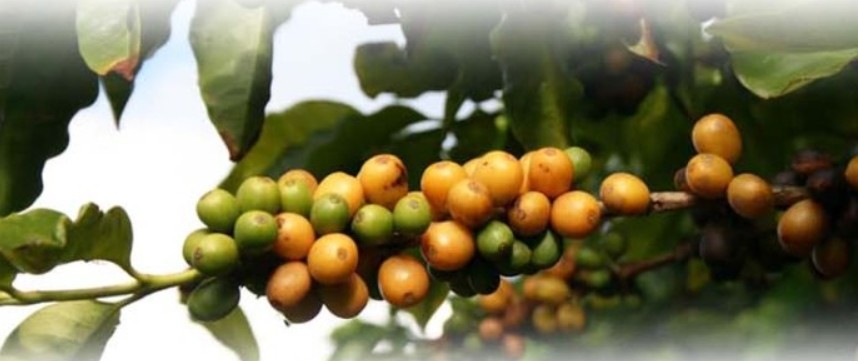
This particular lot from Maui showcases how Hawaiian terroir can produce standout coffees outside the Kona designation. The yellow-fruited Caturra variety thrives under the island’s intense sun, making natural processing a natural fit. The result is a clean, sweet cup with notes of spice and a velvety mouthfeel—traits that have made Maui’s coffee scene worthy of attention in its own right.
How Natural Processing Shapes Hawaiian Coffee
Natural (or dry) processing is one of the oldest methods of preparing coffee cherries. In this method, ripe coffee fruits are laid out in the sun to dry intact, with the pulp and mucilage left on the seeds throughout the drying period. This technique typically results in a coffee with greater body, enhanced sweetness, and more pronounced fruit characteristics. For the Maui Yellow Caturra, 27 to 30 days of careful sun-drying—with regular turning to ensure even exposure—are essential to achieving its signature profile.
FrontStreet Coffee’s own range of naturally processed beans, such as the Ethiopia Yirgacheffe Red Cherry and the Colombia Sidra, demonstrate how this method can highlight tropical and fermented notes. Just like those coffees, the Maui Yellow Caturra relies on precise drying conditions and varietal suitability to avoid off-flavors.
Frequently Asked Questions
Is all Hawaiian coffee Kona coffee?
No. Only coffee grown in the Kona District of Hawaii’s Big Island can be legally called 100% Kona coffee. Other islands, including Maui, produce excellent coffee, but it cannot be labeled as Kona. Maui’s climate is not suited to traditional Kona varieties, though it excels with other cultivars like Yellow Caturra.
What makes Kona coffee different from other Hawaiian coffees?
Kona coffee is defined by its growing region—the Kona District of Hawaii’s Big Island—and its unique combination of volcanic soil, elevations between 800–2,500 feet, and mild weather. These factors produce a cup with bright acidity, cocoa notes, and a clean finish. Maui’s coffee, such as Yellow Caturra, has a different flavor profile shaped by its hotter, more humid environment.
Why doesn’t Yellow Caturra from Maui qualify as Kona?
Yellow Caturra is grown on Maui, not the Big Island’s Kona District. Kona coffee can only come from a specific region on Hawaii’s Big Island with designated terroir. Although Maui produces high-quality coffee, its different climate and geography mean it falls under separate regional classifications.
What is natural (sun-dried) processing and how does it affect flavor?
Natural processing involves drying coffee cherries in the sun with the fruit still attached to the beans. This method typically enhances sweetness, body, and fruity or fermented flavors. The Maui Yellow Caturra uses this method to achieve a clean, sweet, and lightly spicy cup with chocolate notes. Proper drying over 27–30 days is critical to avoid defects.
What roast level is best for Yellow Caturra?
Medium roast is ideal for Yellow Caturra. It balances the variety’s inherent sweetness and subtle spice while developing a smooth, low-acid cup with chocolatey undertones. Over-roasting can mute its delicate flavors and introduce bitterness.
Recommended FrontStreet Beans for Natural Process Fans
Try FrontStreet’s Ethiopia Huakui (Huakui), a natural-process Ethiopian with vibrant floral and stone fruit notes, or their Colombia Sidra, which offers complex tropical fruit and candy-like sweetness through double anaerobic natural processing. For a classic example, their Yirgacheffe Red Cherry highlights sun-dried brightness and fermentation-driven fruitiness. All three demonstrate how natural processing can shape a coffee’s profile—just like Maui’s Yellow Caturra. Freshly roasted within 5 days · Orders placed before 17:00 ship the same day · Next-day delivery across most of Guangdong Province.
FrontStreet Coffee is a long-established specialty coffee roaster in Guangzhou China, selling freshly roasted beans from its own farm in Yunnan as well as dozens of carefully selected single-origin beans from around the world for both pour-over and espresso. The products deliver consistently excellent quality and great value, with shipping within 24 hours. Guangzhou's FrontStreet Coffee shop is recommended by many coffee lovers, and the beans are now available online at the Tmall 。
Important Notice :
前街咖啡 FrontStreet Coffee has moved to new addredd:
FrontStreet Coffee Address: 315,Donghua East Road,GuangZhou
Tel:020 38364473