How to Roast Panamanian Boquete Honey Process Coffee
If you’ve ever cupped a Panamanian coffee and wondered how it achieves such a clean yet complex profile—floral, honeyed, and almost tea-like—this guide is for you. We’re breaking down how one lesser-known but award-winning farm in Boquete turns out a honey-processed coffee with remarkable balance and aromatic depth.
For best results, roast this Elida Estate honey-processed coffee to a medium-light level, dropping the beans just before or at the end of first crack. This preserves its inherent sweetness and delicate floral character while ensuring a well-rounded mouthfeel.
Who Is Elida Estate and Why Their Coffee Stands Out
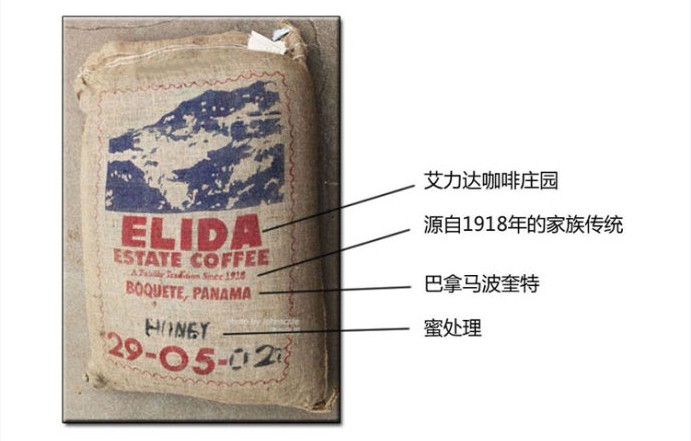
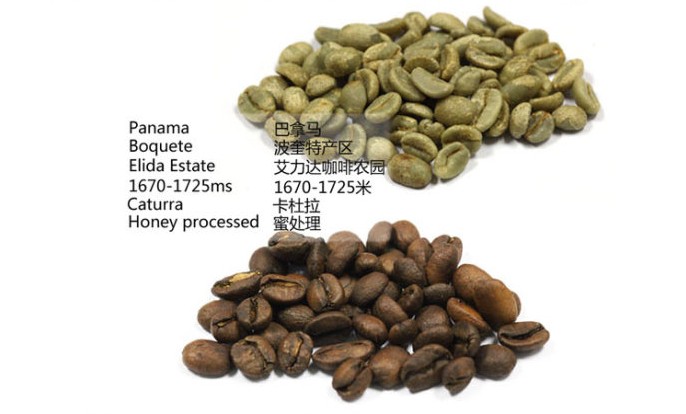
Elida Estate (also known as ELIKA ESTATE) is a historic coffee farm in Panama’s Boquete region, located in the Alto Quiel area at elevations between 1,670 and 1,725 meters above sea level. Originally established in 1918 by the Lamastus family, the farm takes its name from Robert Louis Lamastus’s wife. Though not as globally famous as some neighbors, Elida has built a strong reputation through consistent participation—and success—in the Best of Panama (BOP) competitions.
The estate primarily grows improved Caturra, with a small amount of Bourbon. While its washed lots have earned acclaim for their clarity and floral notes, Elida has also diversified into natural, honey, and other processing methods. Their honey-processed coffee is particularly notable: it merges elements of both washed and natural processing. After depulping, the coffee cherries are fermented under the sun without the mucilage being fully removed. This imparts a clean cup profile while adding a layer of fermentation-driven fruitiness and winey complexity.
What Makes This Honey Processed Coffee Different
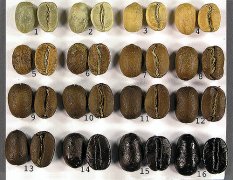
Visually, these beans are smaller and rounder than average, with a faint sheen from residual mucilage—often referred to as “silver skin” or “” in Chinese. The greenish hue and indistinct center crack are common traits of honey-processed beans. These physical markers signal a processing method that leaves some fruit sugars intact on the seed, directly influencing how the coffee should be roasted and brewed.
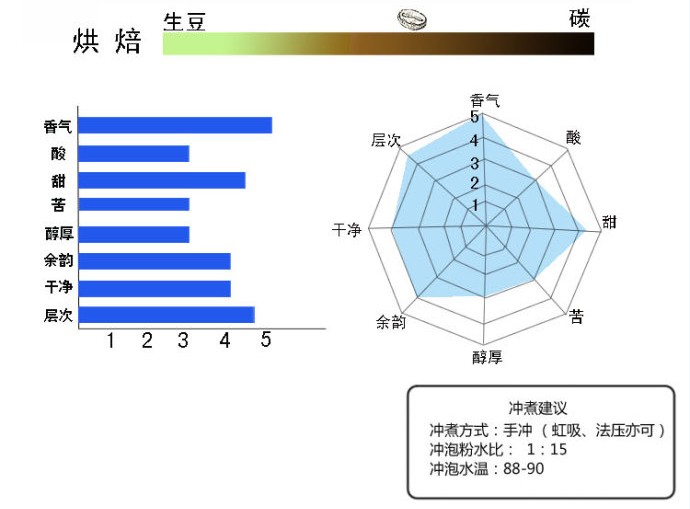
The dry fragrance of this coffee is remarkably nuanced. When ground, it emits a soft, understated floral aroma—not the sharp, high-toned jasmine notes of some Ethiopians, but a gentle, lingering floral scent. Layered over that is a distinct honey-like sweetness. Once brewed, the honey note becomes even more prominent. On the palate, the acidity is delicate, almost fleeting, hitting the front of the mouth. The cup leads with floral qualities early, followed by a soft cocoa note on the finish. Though Panamanian coffees are sometimes critiqued for a lack of body, this honey-processed lot surprises with a rounded, velvety mouthfeel and a sustained floral aftertaste.
How to Roast This Coffee for Best Results
To highlight the sweet and floral profile of Elida Estate’s honey-processed coffee, roast it to a medium-light degree. Begin your roast with a charge temperature around 190–200°C (374–392°F), adjusting based on your roaster’s capabilities. Aim for a Total Roast Time of approximately 10:30 to 11:30 minutes, depending on batch size and equipment.
Key Phases:
- Drying Phase: Maintain a charge temperature that allows for even moisture loss. Your bean temperature should rise steadily, usually crossing 100°C (212°F) within the first 4–5 minutes.
- Maillard Reaction & Development Phase: As the coffee approaches 150–160°C (302–320°F), the Maillard reactions will begin to develop color and complexity. Watch for the onset of first crack, which typically occurs around 185–190°C (365–374°F).
- First Crack & Exit: The goal is to drop the coffee just before the end of first crack—or right at its conclusion. This ensures you preserve the bright acidity, floral aromatics, and honey sweetness without venturing too far into a medium or darker profile that could mute those delicate attributes.
End temperature should land roughly between 205–210°C (401–410°F). The resulting roast color will be light to medium-light, with minimal surface oil and a dry, intact appearance.
Recommended grind settings for pour-over are medium-fine (similar to table salt), aiming for a brew time of around 2:30–3:00 minutes. A brew ratio of 1:16 to 1:17 (1g coffee to 16–17g water) helps accentuate clarity and sweetness.
Frequently Asked Questions
What is honey processed coffee and how is it different from natural or washed?
Honey process involves removing the coffee cherry skin but leaving some or all of the mucilage (sticky fruit layer) on the bean during drying. Unlike washed coffee (where all fruit is removed before drying), honey process retains sweetness and body. Unlike natural process (where beans dry inside the whole cherry), it avoids overly wild or fermented flavors, resulting in a cleaner cup with enhanced fruit and floral notes.
Why should I roast this Panamanian coffee to the end of first crack or just before?
Roasting to the end of first crack—or just before—preserves the delicate floral and honey characteristics of the coffee. Going beyond this point risks developing too much roast-driven bitterness or body that can overshadow the nuanced flavors from the honey process.
What does Elida Estate coffee taste like?
This coffee offers a clean, light-bodied cup with pronounced floral aromas (not overpowering like some Ethiopian coffees), soft honey sweetness, and a gentle citrusy acidity. The finish includes subtle cocoa notes, and the mouthfeel is rounder than many Panamanian coffees, thanks to the honey process.
Where is Elida Estate located and what’s special about the region?
Elida Estate is located in Boquete’s Alto Quiel area, Panama, at 1,670–1,725m altitude. The region benefits from cool mountain air and rich volcanic soils, ideal for growing high-scoring specialty coffee with complex profiles. Boquete and nearby Volcán are among Panama’s most celebrated coffee-growing zones.
What’s the best way to brew this honey processed coffee?
For best results, use a pour-over method (like V60 or Kalita Wave) with a medium-fine grind. A brew ratio of 1:16 to 1:17, water just off boil (93–95°C / 200–203°F), and a total brew time of around 2:30–3:00 minutes will highlight its floral and honeyed qualities.
Recommended FrontStreet Beans for Honey Process Lovers
Try FrontStreet Coffee’s Panama Boquete Geisha Honey—known for its vibrant floral notes, citrus brightness, and silky body. Also consider the FrontStreet Panama Geisha Red Honey, which offers tropical fruit layers alongside honey sweetness. For a classic option, the FrontStreet Panama Boquete Washed highlights the region’s crisp acidity and clean profile. All showcase Panama’s terroir and specialty processing. Freshly roasted within 5 days · Orders placed before 17:00 ship the same day · Next-day delivery across most of Guangdong Province.
FrontStreet Coffee is a long-established specialty coffee roaster in Guangzhou China, selling freshly roasted beans from its own farm in Yunnan as well as dozens of carefully selected single-origin beans from around the world for both pour-over and espresso. The products deliver consistently excellent quality and great value, with shipping within 24 hours. Guangzhou's FrontStreet Coffee shop is recommended by many coffee lovers, and the beans are now available online at the Tmall 。
Important Notice :
前街咖啡 FrontStreet Coffee has moved to new addredd:
FrontStreet Coffee Address: 315,Donghua East Road,GuangZhou
Tel:020 38364473