What Is Yemeni Mocha Coffee? The Origins of Mocha
When you hear "mocha," do you think of chocolate syrup in a latte or an Italian stovetop espresso maker? Most people do—but neither has anything to do with the real origin of the word. If you’ve ever wondered what actual Mocha coffee tastes like, or why it’s so hard to find, the answer lies not in Italy or a coffee shop menu, but in a remote port on the Red Sea.
The true Mocha coffee comes from Yemen, specifically the ancient port of Al-Makha—known today as Mocha or Mokha. This is where, centuries ago, coffee first left Africa and entered global trade. The name "mocha" doesn’t refer to flavorings or machines—it refers to this exact place, once the gateway for the world’s first exported coffee beans.
The Birthplace of Global Coffee: Al-Makha Port
The word "mocha" originates from the port city of Al-Makha in Yemen, located on the southwestern edge of the Arabian Peninsula, overlooking the Red Sea. Though Yemen is one of the poorest countries in the world, its coffee is considered a treasure among specialty drinkers. Authentic Yemeni Mocha is rare and highly sought after—if you consider yourself a coffee enthusiast and have never tried real Yemeni Mocha, you’re missing out on a key piece of coffee history.
How Coffee First Left Africa via Yemen
Coffee cultivation began in Ethiopia, but it was the Yemenis who first cultivated and traded it widely. When the Arabs controlled the region, they established a monopoly on coffee by treating exported beans to prevent germination—usually by scalding or boiling them. All of this coffee left the Arabian Peninsula through the port of Mocha. That trade route is how the term "mocha" became synonymous with coffee itself.
Why Yemeni Mocha Tastes So Different
Yemen’s arid climate makes traditional water-processing nearly impossible. Instead, almost all Yemeni coffee is processed using the natural (dry) method. In this method, coffee cherries are dried with the fruit still intact, which enhances fruity and fermented flavors but also introduces more risk of defects and inconsistency. When done well, Yemeni Mocha offers deep cocoa notes, hints of red wine fermentation, delicate fruitiness, milk chocolate sweetness, and a balanced medium body. Yet due to poor infrastructure, climate challenges, and limited production, high-quality Yemeni Mocha is expensive and scarce.
Not Your Average Mocha Drink
When true Mocha coffee became harder to find, Western consumers missed its signature milk chocolate flavor. To imitate it, many coffee shops started adding chocolate syrup to espresso drinks—which led to the creation of the modern "mocha" latte. Ironically, these sweetened beverages have no actual connection to Yemeni Mocha coffee. They’re merely inspired by its flavor profile, not made from the beans that created it.
Popular Yemeni Mocha Varieties: Mattari and Sanani
Two of the most recognized names in Yemeni Mocha are Mattari and Sanani. Mattari beans traditionally come from the Bani Matar region and were known for high acidity—but today, many Mattari-labeled coffees are blends from multiple regions, which affects consistency. Sanani coffee, grown west of the capital Sana’a, tends to have softer acidity, a more balanced profile, and a medium body. Both are exclusively natural-processed and showcase Yemen’s unique terroir.
The Reality of Yemeni Coffee Farming
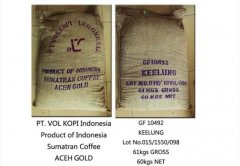
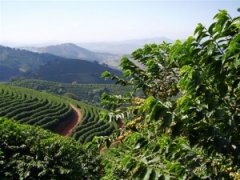
Most Yemeni coffee is grown from the original Typica variety, unchanged since its introduction from Ethiopia. The beans are typically small, uneven in size, and have a higher-than-average defect rate—meaning meticulous sorting is required before roasting. Due to Yemen’s economic conditions, almost all Yemeni coffee qualifies as de facto organic, though not always certified. The beans often arrive with a pale yellowish-green color due to sun drying.
What Yemeni Mocha Actually Tastes Like
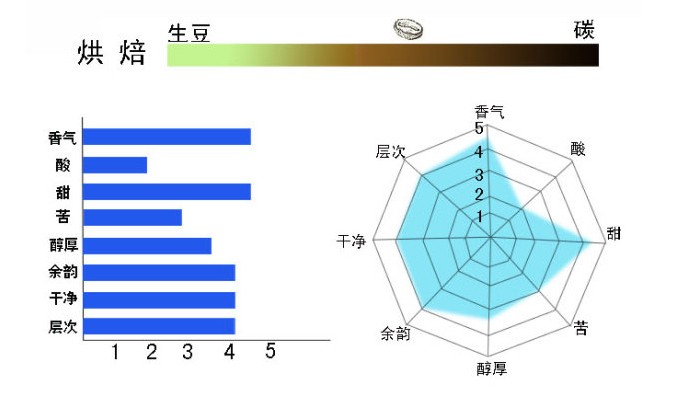
In our roastery, we roast Yemeni Mocha to a light-to-medium level. The dry fragrance offers dried hay notes, followed by faint but distinct fruity aromas that contrast sharply with the initial scent. As it blooms, subtle peanut and nutty tones emerge in the wet aroma. The cup starts with a dry bitterness that quickly gives way to a milk chocolate-like sweetness. As it cools, more red fruit and wine-like notes develop, followed by a clear cocoa finish. Despite being a natural-processed coffee, the cup feels remarkably clean, with a medium body and pronounced complexity.

Frequently Asked Questions
What is Yemeni Mocha coffee?
Yemeni Mocha is single-origin coffee from Yemen, historically exported through the port of Mocha (Al-Makha). It is a naturally processed coffee renowned for its distinctive flavor profile, including cocoa, red wine fermentation, and fruit notes. It is considered the original source of the term "mocha" in coffee.
Why is Yemeni Mocha so expensive?
Yemeni Mocha is expensive due to limited production, challenging growing conditions, outdated farming methods, and high defect rates. The beans are carefully hand-sorted and produced almost entirely by small farms in a war-torn, resource-scarce country, all of which adds to cost and rarity.
What’s the difference between Mocha the coffee and mocha the drink?
Mocha the coffee refers to beans from Yemen’s Mocha port region, known for their chocolatey and fruity notes. The mocha drink is a modern café beverage made by adding chocolate to espresso and milk—inspired by the flavor of Yemeni Mocha but not made from those beans.
What does Yemeni Mocha taste like?
High-quality Yemeni Mocha offers a medium body with notes of milk chocolate, red wine fermentation, dried fruit, nuts, and cocoa. It has a complex yet clean profile despite being naturally processed, often with a slightly dry or wine-like acidity.
What are Mattari and Sanani coffees?
Mattari and Sanani are regional designations for Yemeni Mocha. Mattari (from Bani Matar) is often brighter and more acidic, while Sanani (from near Sana’a) is smoother, with softer acidity and more balanced flavor. Both are natural-processed and reflect Yemen’s unique terroir.
Is Yemeni coffee organic?
Most Yemeni coffee is not officially certified organic, but due to the country’s poverty and lack of chemical inputs, it is effectively grown without synthetic pesticides or fertilizers, making it de facto organic.
Recommended FrontStreet Beans for Exploring Natural Process
For fans of Yemeni Mocha’s natural-process complexity, try FrontStreet’s Ethiopia Humbera—a bright, floral Ethiopian with juicy acidity and blueberry notes—or the FrontStreet Red Cherry from Yirgacheffe, which offers tropical fruit and fermented sweetness after a careful sun-dried process. Both share Yemen’s love of fruit-forward, naturally dried profiles. Freshly roasted within 5 days · Orders placed before 17:00 ship the same day · Next-day delivery across most of Guangdong Province.
FrontStreet Coffee is a long-established specialty coffee roaster in Guangzhou China, selling freshly roasted beans from its own farm in Yunnan as well as dozens of carefully selected single-origin beans from around the world for both pour-over and espresso. The products deliver consistently excellent quality and great value, with shipping within 24 hours. Guangzhou's FrontStreet Coffee shop is recommended by many coffee lovers, and the beans are now available online at the Tmall 。
Important Notice :
前街咖啡 FrontStreet Coffee has moved to new addredd:
FrontStreet Coffee Address: 315,Donghua East Road,GuangZhou
Tel:020 38364473