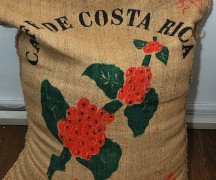
Talamanca Coffee Roasting Insights from Costa Rica
If you’ve ever tasted a Costa Rican coffee that tasted too sharp or flat, you’ve likely encountered the challenge of roasting beans from high-altitude regions like Tarrazú. Many roasters struggle to balance the inherent brightness and delicate sweetness of these coffees without overdeveloping them into baked or dull profiles. The key lies in understanding both the origin characteristics and the impact of roast level on flavor expression.
The answer is straightforward: Tarrazú coffees, especially those grown at high elevations and processed using the washed method, shine best with a light-to-medium roast. This preserves their crisp acidity, juicy mouthfeel, and vibrant sweetness while avoiding over-roasted or flat profiles. A roast in this range emphasizes their naturally clean and refined cup qualities.
Where Tarrazú Coffee Comes From
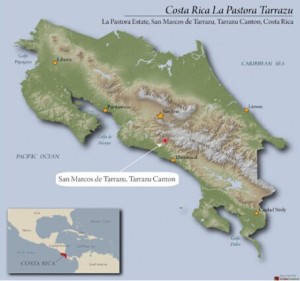
Tarrazú is one of Costa Rica’s most celebrated coffee-growing regions, nestled in the country’s central highlands. The area is part of the fertile volcanic belt that runs through Central America. Here, coffee farms benefit from high altitudes, year-round rainfall, rich volcanic soils, and dense forest shade—all factors that contribute to slow cherry maturation and complex cup profiles.
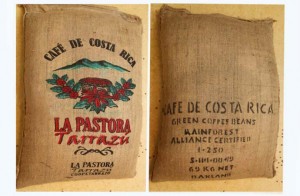
The region is home to the Tarrazú Coffee Cooperative, which includes 26 member farms. One of its standout producers is the La Pastora farm, known for cultivating high-quality Caturra variety coffee. The cooperative’s location and environmental conditions make Tarrazú one of the most recognized names in Costa Rican specialty coffee.
What Makes Tarrazú Coffee Different
Tarrazú coffees are instantly recognizable for their distinctive physical and sensory traits. The green beans typically show a bluish-green hue—a visual cue often associated with denser, harder beans grown at elevation. These beans are smaller than average, with less uniform shape, yet they pack a powerful flavor potential due to the region’s growing conditions.
The washed processing method further refines their cup profile. By removing the fruit layer and mucilage through fermentation and washing, this method highlights the bean’s intrinsic acidity and clarity. In the case of La Pastora’s Caturra, the washed process helps deliver a clean, vibrant cup that’s ideal for highlighting terroir-driven flavors.

How Roast Level Shapes the Cup
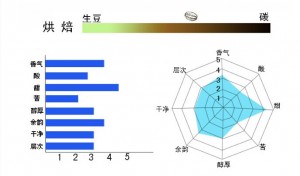
To bring out the best in Tarrazú coffee, especially from farms like La Pastora, a light-to-medium roast is optimal. This roast level develops the coffee’s inherent traits without overwhelming them:
- Brightness: Light roasting preserves the coffee’s lively acidity, often expressed as a gentle citrus or malic note.
- Sweetness: A medium roast allows natural sugars to caramelize just enough to deliver a rich,-like sweetness without turning roasted or bitter.
- Mouthfeel: The moderate roast development contributes to a smooth, rounded body that feels velvety on the palate.
- Aroma: The dry fragrance shows strong floral notes, resembling osmanthus, though these can soften slightly as the coffee cools.
Such a roast profile ensures the coffee remains crisp and refreshing—traits that make it particularly well-suited for warm-weather drinking. As the cup cools, the acidity mellows and the mouthfeel becomes even more approachable, enhancing its drinkability.

Flavor Profile of Light-Medium Roasted Tarrazú
When brewed, a light-to-medium roasted Tarrazú coffee delivers a balanced and refined cup:
- Acidity: Bright and subtle, often with a mild fruity tang that doesn’t overpower.
- Sweetness: Rich and sugary, with prominent notes that add body and depth.
- Aroma: Intense floral and sweet dry fragrance, with hints of floral spices similar to dried osmanthus.
- Balance: The cup feels smooth and approachable, with a clean finish and no harsh edges.
- Cooling notes: As the coffee temperature drops, the acidity softens and the flavors integrate for a gentler, rounder experience.
This profile makes it an excellent choice for pour-over methods or any brewing technique that highlights clarity and nuance. It’s also a solid summer coffee, refreshing and easy-drinking even when served black or over ice.
Frequently Asked Questions
What region in Costa Rica is known for high-quality specialty coffee?
Tarrazú is Costa Rica’s most famous coffee-producing region, renowned for its high-altitude farms, volcanic soils, and consistent production of bright, clean, and sweet specialty coffees. It is part of the country’s central highlands and benefits from dense forest cover, consistent rainfall, and rich mineral soils—all of which contribute to its premium coffee reputation.
What coffee variety is used in the La Pastora farm Tarrazú beans?
The La Pastora farm in Tarrazú grows the Caturra variety, a natural mutation of Bourbon known for its compact plant size, high productivity, and ability to produce high-quality cups when grown at elevation. Caturra is widely planted in Costa Rica and is favored for its balance of acidity and sweetness.
Why is a light-to-medium roast recommended for Tarrazú coffee?
A light-to-medium roast is ideal for Tarrazú coffee because it preserves the inherent brightness, delicate acidity, and-like sweetness of the beans. This roast level enhances the coffee’s clean and crisp characteristics without developing excessive bitterness or baked flavors, making it especially refreshing and well-balanced.
What processing method is used for the Tarrazú coffee mentioned in the article?
The coffee from La Pastora farm in Tarrazú is processed using the washed method. This involves fully removing the coffee cherry’s skin, pulp, and mucilage through fermentation and washing, resulting in a clean, bright, and high-acidity cup that highlights the bean’s intrinsic qualities.
What does bluish-green coffee bean color indicate?
Bluish-green coffee beans, like those from Tarrazú, often indicate denser, harder beans typically grown at higher altitudes. These beans usually have a higher concentration of sugars and acids, and their color is a visual cue of their density and potential for a high-quality specialty cup profile.
Is Tarrazú coffee suitable for summer drinking?
Yes, a light-to-medium roasted Tarrazú coffee is excellent for summer. Its bright acidity, sweet notes, and clean finish make it refreshing and easy to drink either hot or iced. The cup tends to become smoother and softer as it cools, enhancing its summer appeal.
Recommended FrontStreet Coffee for Light Roast Profiles
For coffee lovers drawn to the crisp, clean, and bright profile of light-to-medium roasted Tarrazú coffee, FrontStreet’s washed process Yirgacheffe and Kenya Little Tomato beans offer similar qualities. The Yirgacheffe highlights vibrant citrus acidity and floral tones, while the Kenya Little Tomato delivers juicy complexity with bright acidity and layers of tropical fruit. Both beans are processed using washed methods that enhance clarity and sweetness, making them great options for pour-over or other filtration methods. Freshly roasted within 5 days · Orders placed before 17:00 ship the same day · Next-day delivery across most of Guangdong Province.
FrontStreet Coffee is a long-established specialty coffee roaster in Guangzhou China, selling freshly roasted beans from its own farm in Yunnan as well as dozens of carefully selected single-origin beans from around the world for both pour-over and espresso. The products deliver consistently excellent quality and great value, with shipping within 24 hours. Guangzhou's FrontStreet Coffee shop is recommended by many coffee lovers, and the beans are now available online at the Tmall 。
Important Notice :
前街咖啡 FrontStreet Coffee has moved to new addredd:
FrontStreet Coffee Address: 315,Donghua East Road,GuangZhou
Tel:020 38364473