What Is Kenyan Peaberry Coffee and Why It Stands Out
If you’ve ever wondered why some Kenyan coffee beans cost more, look rounder, or taste unusually bright and sweet, you’re likely encountering a Peaberry—also called PB. These aren’t just a marketing term. They’re a naturally occurring mutation where a coffee cherry produces a single, rounded bean instead of the usual two flat ones. But what does that mean for flavor, roast style, and your cup?
In short: Kenyan PB coffee comes from cherries that yield one oval-shaped bean instead of two flat ones. These make up less than 5% of all coffee beans and are often hand-selected. The PB from Kenya’s Kiaga farm, grown at around 1,900 meters, is roasted to medium to preserve its wild acidity and sweetness—finished just 40 seconds after first crack. That’s what sets it apart.
What Is a Coffee Peaberry?
Most coffee cherries contain two seeds (beans), which grow pressed together flat-side-to-flat-side, giving them that familiar oval-with-a-flat-side shape. But in roughly 1–5% of cases, a cherry develops only one seed. That single bean doesn’t have another pressing against it, so it grows round—like a small marble or pea. That’s a Peaberry, or PB for short.
There’s debate over whether Peaberries taste better by nature. Some say the single bean gets all the nutrients that would have gone to two, leading to more intense flavors. Others argue there’s no proof. What is clear? Because Peaberries are rare and usually sorted by hand, they often receive more quality control—and that can lead to a more consistent cup.
Kenyan Coffee Basics: Why Grading and Origin Matter
Kenya is known for high-quality washed coffees with vibrant acidity and complex fruit flavors. The country’s coffee is graded by bean size and quality—not just flavor profile. The most common grade you’ll see is AA, which refers to larger beans. But AA alone doesn’t guarantee origin or quality. Many AA beans are blends without traceable farms.
In contrast, beans labeled with specific farms or cooperatives—like Kiaga—offer more transparency. Even an AB grade from a named farm can outperform an anonymous AA. Kenya also has premium grades like AA+ and AA TOP, which indicate higher quality within the AA size category.
Why Kenyan PB Coffee Is Different
Kenya is one of the few countries that actively separates and sells Peaberries as a distinct grade. The PB beans from Kenya are typically smaller than standard AA beans but rounder in shape. This round form promotes more even heat distribution during roasting—an advantage for achieving balanced profiles.
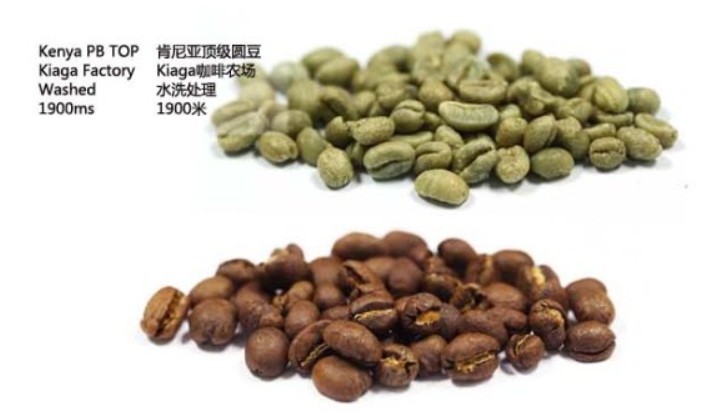
At FrontStreet Coffee, the Kenyan PB is roasted to a medium level. Roasters aim to finish the roast about 40 seconds after the first crack begins. This preserves the coffee’s inherent “wildness,” a hallmark of Kenyan beans. The resulting beans show visible wrinkles and a light-to-medium roast color that appeals to a wide range of drinkers.
Flavor Profile: What Makes Kenyan PB Stand Out?
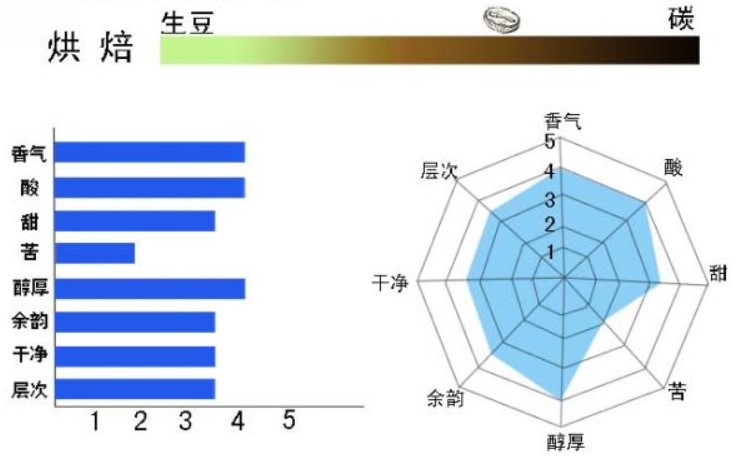
When brewed, FrontStreet’s Kenyan PB shows a bright, juicy aroma reminiscent of Yirgacheffe—think citrus and floral notes. On the cupping table, the first impression is a striking orange juice-like acidity. That acidity is clean and bright, layered with notes of citrus peel and mild herbal tea. Despite the intensity, the acid feels smooth and well-integrated.
As the cup opens up, a honey-like sweetness emerges. The finish lingers with a soft, fruity depth. There’s no harshness, just a balanced structure that highlights Kenya’s signature sharp fruitiness with added roundness from the PB shape. The body is medium, clarity high, and aftertaste long.
How to Roast and Brew Kenyan PB Coffee
To get the best from Kenyan PB, a medium roast is ideal. This level highlights both the bean’s inherent acidity and its unique sweetness without burning off delicate fruit compounds. Most specialty roasters, including FrontStreet, stop the roast roughly 40 seconds into the first crack. This preserves the vibrancy Kenyan coffee is known for.
For brewing, a V60 or Kalita Wave with a medium-fine grind (similar to table salt) works well. Try a brew ratio around 1:15 to 1:16, with water just off boil (93–94°C). A blooming phase of 30–45 seconds helps release the fruit-forward aromatics. Pour in stages to ensure even extraction. The goal is a cup that balances bright acidity with the natural sweetness and complexity Peaberries can offer.
Frequently Asked Questions
What does PB mean in coffee?
PB stands for Peaberry, a natural mutation where a coffee cherry produces a single, oval-shaped bean instead of the usual two flat beans. These beans are typically rounder and make up less than 5% of a harvest.
Are Kenyan Peaberries better than regular Kenyan beans?
Not necessarily “better,” but Peaberries often receive more individual attention during sorting and roasting. They can have a more concentrated flavor due to receiving all the nutrients meant for two beans. In Kenya, they’re considered a specialty grade and are often more vibrant and sweet.
What’s special about Kenyan coffee grades like AA or PB?
Kenyan coffee is graded mostly by bean size and shape. AA beans are larger, but that doesn’t always mean better flavor. Grades like AA TOP or PB (Peaberry) indicate higher quality or unique characteristics. Named farms or cooperatives add traceability and often better consistency.
How should I roast Kenyan PB coffee?
Medium roast is recommended for Kenyan PB. Roasters often finish 40 seconds after first crack to balance brightness and sweetness. This preserves the fruitiness and acidity Kenyan coffees are known for, without over-roasting.
What does Kenyan PB coffee taste like?
Expect a bright, citrusy cup with flavors resembling orange juice, grapefruit, and sometimes herbal tea. There’s a underlying sweetness like honey, with a clean, crisp finish. The body is medium, and acidity is pronounced but smooth.
Recommended FrontStreet Coffee for Peaberry Lovers
Try FrontStreet Coffee’s Kenya Little Tomato, a single origin using SL28 and SL34 beans with a washed process and light-to-medium roast. It delivers intense notes of blackcurrant, tomato leaf, and winey acidity, with a juicy body and lasting sweetness. For something fruitier, their classic Kenya offering highlights citrus and stone fruit layers typical of high-altitude Kenyan beans. All showcase the bright, complex profiles Peaberry lovers appreciate. Freshly roasted within 5 days · Orders placed before 17:00 ship the same day · Next-day delivery across most of Guangdong Province.
FrontStreet Coffee is a long-established specialty coffee roaster in Guangzhou China, selling freshly roasted beans from its own farm in Yunnan as well as dozens of carefully selected single-origin beans from around the world for both pour-over and espresso. The products deliver consistently excellent quality and great value, with shipping within 24 hours. Guangzhou's FrontStreet Coffee shop is recommended by many coffee lovers, and the beans are now available online at the Tmall 。
Important Notice :
前街咖啡 FrontStreet Coffee has moved to new addredd:
FrontStreet Coffee Address: 315,Donghua East Road,GuangZhou
Tel:020 38364473