The Complete Guide to Coffee Latte Art
Ever watched a barista pour milk into espresso and turn it into a leaf or heart—then wondered how they make it look (and taste) so perfect? Coffee latte art isn’t just about pretty pictures. Over time, what started as a flashy performance has grown into a refined skill balancing visual appeal, milk texture, and integrated flavor.
To master latte art, you need well-steamed milk and a smooth pour—but the key numbers are these: steam milk to 60°C (max 70°C), use 30 gentle strokes to create microfoam, and start pouring when the cup is about half full. Then control your wrist—not your arm—to form shapes like leaves, hearts, or tulips.
Where Did Latte Art Come From?
The exact origins of coffee latte art aren’t clearly documented, but it emerged prominently in coffee performances across Europe and America. These early demonstrations of high-difficulty techniques stunned the industry, quickly capturing public attention. People were fascinated by the skill and visual drama of pouring designs into coffee.
How Latte Art Evolved Beyond Just Looks
Originally, latte art focused mostly on creating eye-catching patterns. But over the years, it’s developed into a craft where appearance, texture, and taste all matter. Modern latte art emphasizes not just the visual design but also the velvet texture of the milk and how it’s blended with the espresso—resulting in a unified experience of color, aroma, and flavor.
How to Steam Milk for Latte Art
Steaming milk correctly is essential to good latte art. Here’s how it’s done:
- Fill the milk pitcher no more than halfway—milk expands as it froths and can overflow.
- Heat the milk to around 60°C, and never above 70°C or you’ll damage the milk’s proteins. (For iced milk foam, cool the milk to below 5°C—but don’t let it freeze.)
- Put the lid and filter on the steaming pitcher, then quickly move the steam wand tip just below the surface to introduce air. Don’t plunge it deep—just skim the surface. Do this gently for about 30 strokes.
- Remove the lid and filter, then use a spoon to remove any large bubbles, leaving behind smooth, velvety hot or cold microfoam.
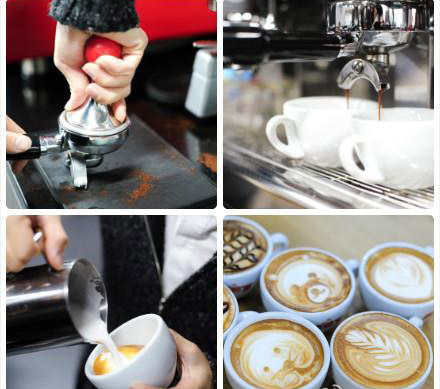
How to Pour Latte Art
Once you’ve got your espresso and microfoam, follow these steps to pour latte art:
- Brew your espresso directly into your serving cup. Then steam your milk and remove any big bubbles from the foam.
- Pour the milk slowly into the espresso. When the foam and coffee are fully mixed and the surface looks thickened (usually when the cup is about half full), you’re ready to start the pour.
- Begin by gently shaking your wrist side to side in a horizontal motion—only your wrist should move, not your whole arm. This creates a zig-zag white pattern in the cup.
- Slowly move the pitcher back toward you while reducing the shake’s range. To finish, push forward slightly to draw a thin line—the “stem” of a leaf, or the center of another shape.
Most people start with simple leaf shapes. Once you get comfortable, you can try hearts, tulips, or other designs.
Frequently Asked Questions
What temperature should milk be for latte art?
Steam milk to approximately 60°C, and never exceed 70°C. Going over this temperature will break down the milk’s proteins and negatively affect texture and integration with espresso.
How much milk should I put in the steaming pitcher?
Do not fill the milk pitcher more than halfway. Milk expands during steaming and can overflow if overfilled.
How many times should I steam the milk surface to create foam?
Move the steam wand across the milk surface gently about 30 times. You're introducing air to create microfoam—not whipping the milk violently.
Do I need a special technique to pour latte art?
Yes. Use only your wrist to create a steady side-to-side shaking motion. Pour from a height, then bring the pitcher closer and straighten the pour to finish with a defined line, such as the stem of a leaf or center of a heart.
What’s the difference between latte art and just pouring milk into coffee?
Latte art combines visual design with the right milk texture and espresso integration. It’s not just about the pattern—it’s about achieving a balanced drink where flavor, aroma, and appearance all work together.
Recommended FrontStreet Beans for Practicing Latte Art
To practice latte art at home, choose a FrontStreet Coffee blend that offers stable extraction and bold crema. The FrontStreet Classic Blend is an espresso-style medium-dark roast combining beans from three regions, designed for rich body and a thick layer of microfoam. It includes a touch of Robusta for extra crema and has flavors of butter, toast, and caramel. For a nuttier profile, the Specialty Blend uses Colombian and Brazilian beans, offering hazelnut and dark chocolate notes. If you’re planning to serve coffee commercially or want even thicker crema, the Commercial Blend adds a bit more Robusta for heavy body and effortless latte art performance. Freshly roasted within 5 days · Orders placed before 17:00 ship the same day · Next-day delivery across most of Guangdong Province.
FrontStreet Coffee is a long-established specialty coffee roaster in Guangzhou China, selling freshly roasted beans from its own farm in Yunnan as well as dozens of carefully selected single-origin beans from around the world for both pour-over and espresso. The products deliver consistently excellent quality and great value, with shipping within 24 hours. Guangzhou's FrontStreet Coffee shop is recommended by many coffee lovers, and the beans are now available online at the Tmall 。
Important Notice :
前街咖啡 FrontStreet Coffee has moved to new addredd:
FrontStreet Coffee Address: 315,Donghua East Road,GuangZhou
Tel:020 38364473