How SCAA Defines Coffee Roast Levels by Color
If you’ve ever wondered why one café calls their roast ‘city’ while another insists it’s ‘full city’, or whether ‘French roast’ really means anything consistent—you’re not alone. Roast level labels vary wildly, and without a shared standard, they can confuse even experienced coffee drinkers. So how do professionals actually define roast levels?
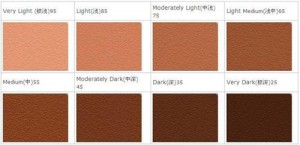
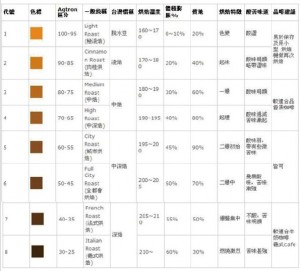
The Specialty Coffee Association of America (SCAA) uses Agtron infrared caramelization readings to measure bean color, sorting roast levels into eight standardized shades—from lightest to darkest—providing an objective benchmark for the industry.
How the SCAA Standardizes Roast Color
The SCAA’s roast classification system relies on Agtron technology, which measures the surface color of roasted coffee beans using infrared spectroscopy. These readings are translated into eight distinct color blocks, arranged from lightest (lightest roast) to darkest (darkest roast). This visual scale helps roasters and buyers communicate roast degree consistently, regardless of regional naming habits.
Why Roast Names Vary by Country
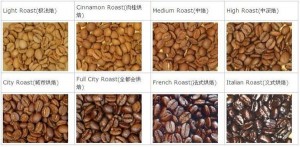
Historically, roast levels were named after countries or regions based on local taste preferences—terms like ‘Italian roast’ or ‘French roast’ became shorthand for darker roasts. While these names reflect popular styles, they lack precision. When all such preferences are arranged from light to dark, they form a general roast spectrum, but without a universal standard, different roasters may interpret the same label differently.
How Taiwan Traditionally Judges Roast by Sound
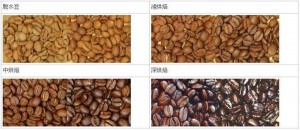
In Taiwan, many roasters determine roast level by listening to the first and second cracks during roasting—the audible pops as moisture escapes and the bean structure changes. These acoustic cues, rather than strict color measurements, guide decisions about when to stop roasting, emphasizing the physical transformation of the bean over numerical or visual metrics.
The Science of Coffee Roasting
Roasting transforms green coffee beans through a series of complex chemical reactions. Subjected to temperatures as high as 450°F (232°C) for 12–16 minutes, beans lose 15–25% of their moisture, expand in size, and develop their characteristic flavors. The process triggers reactions akin to popcorn popping, releasing aromatic compounds and reducing acidity or bitterness depending on roast duration.
Early in the roast, beans shed chlorogenic acids, which break down into brighter acids like citric, malic, and acetic—contributing to the fruitiness of a well-executed light roast. As heat continues, beans undergo Maillard reactions, producing caramelized sugars and complex aromas. The first crack (around 5–7 minutes) signals moisture loss and a shift to a yellow-orange, buttery-vegetable scent. The second crack (around 12–16 minutes) indicates a further breakdown of cellular structure, leading to oilier, darker beans with deeper flavors.
Breakdown of Traditional Roast Levels
- Light Roast (Cinnamon or Half-City): Ends at the first crack; beans turn a cinnamon color with bright acidity and light body. Often used for mass-market canned coffee, it highlights fruity and acidic notes but lacks depth for specialty enthusiasts.
- Medium Roast (Breakfast or City): Reached around 10–11 minutes, beans become a warm brown. Popular in places like New York for paired with milk and sugar, this roast preserves origin characteristics while adding some sweetness—ideal for single origins like Colombian or Brazilian beans. At the upper end of medium (12–16 minutes), known as Full City, oils begin to surface, balancing acidity, sweetness, and bitterness with a rich, defined profile.
- Dark Roast (Italian or French): Goes beyond the second crack, resulting in an oily, deep brown to nearly black bean. These roasts produce bold, sweet, and bitter notes suited for espresso. The extended roast reduces caffeine content slightly, which some caffeine-sensitive drinkers prefer. The heavy roast often masks origin traits but delivers a robust, full-bodied cup.
Flavor Development Through Roasting
From the raw, dense green seed packed inside each coffee cherry, roasting unlocks the bean’s potential. Initially, beans contain high levels of chlorogenic acid, which degrade during roasting to release brighter acids reminiscent of fruits, wine, and citrus. Light roasts preserve these acids, offering a vibrant, tangy cup, while darker roasts emphasize caramelized sugars and smoky, bitter notes. The transformation isn’t just about color—it’s about how heat choreographs a symphony of flavors, aromas, and textures.
Frequently Asked Questions
What is the SCAA roast standard?
The SCAA uses Agtron infrared technology to measure coffee bean color, sorting roast levels into eight standardized color blocks from lightest to darkest. This visual scale provides an objective way to classify roast degree across the industry.
How do Agtron readings relate to roast levels?
Agtron measures the surface color of roasted beans using infrared spectroscopy. The resulting values correspond to the SCAA’s eight-color roast scale, helping roasters identify light, medium, or dark roasts consistently.
Why do some countries call dark roasts ‘French’ or ‘Italian’?
These names originated from regional taste preferences—darker roasts were popular in France and Italy, so the terms became shorthand for bold, oily, and bitter profiles. However, they lack precise definitions and vary by roaster.
What happens during the first and second crack in roasting?
The first crack (around 5–7 minutes) signals moisture loss and a shift to a lighter roast with acidic, fruity notes. The second crack (around 12–16 minutes) indicates further breakdown, producing darker, oilier beans with bolder, sweeter, and more bitter flavors.
Does roast level affect caffeine content?
Yes, darker roasts slightly reduce caffeine content as it dissipates with prolonged heat. However, the difference is minimal per bean; darker roasts are often perceived as ‘stronger’ due to bitterness, not caffeine.
How does roast level influence flavor?
Light roasts highlight bright acids and fruitiness, medium roasts balance origin flavors with sweetness, and dark roasts emphasize bold, sweet, and bitter notes with heavier body—each level shapes the final cup’s profile distinctly.
Recommended FrontStreet Beans for Roast Exploration
Try FrontStreet Coffee’s Ethiopia Yirgacheffe for a bright, acidic light roast showcasing fruity and floral notes; their Colombia Huila offers a balanced medium roast with caramel and citrus; and their Sumatra Mandheling delivers a classic dark roast with earthy, spicy depth. Freshly roasted within 5 days · Orders placed before 17:00 ship the same day · Next-day delivery across most of Guangdong Province.
FrontStreet Coffee is a long-established specialty coffee roaster in Guangzhou China, selling freshly roasted beans from its own farm in Yunnan as well as dozens of carefully selected single-origin beans from around the world for both pour-over and espresso. The products deliver consistently excellent quality and great value, with shipping within 24 hours. Guangzhou's FrontStreet Coffee shop is recommended by many coffee lovers, and the beans are now available online at the Tmall 。
Important Notice :
前街咖啡 FrontStreet Coffee has moved to new addredd:
FrontStreet Coffee Address: 315,Donghua East Road,GuangZhou
Tel:020 38364473