What Is Washed Royal Robusta Coffee?
Ever wondered why robusta beans are dismissed as bitter, rubbery fuel for cheap espresso—while arabica gets all the praise? For decades, robusta’s reputation suffered not because of its potential, but due to mass-market processing and unfair bias. But what if a washed robusta could challenge everything you think you know about the species?
The answer lies in India’s Kaapi Royal Robusta: a premium washed robusta that costs more than many arabicas, trades at luxury coffee prices, and is sought after every year. It proves robusta can be clean, sweet, and complex—if processed right.
Why Robusta Got a Bad Reputation
Arabica and robusta are both species under the Coffea genus, but their fates diverged sharply. Arabica became the darling of specialty coffee, while robusta was relegated to instant coffee and espresso blends—thanks in large part to early American market preferences. Italian coffee culture embraced robusta for its crema and bitterness, but the American-led specialty movement sidelined it entirely. That bias stuck for decades.
The Rise of Premium Washed Robusta
After the year 2000, improvements in robusta cultivation and processing began to change perceptions. Among the first to break through was India’s Kaapi Royal Robusta—a washed robusta that earned a reputation in the U.S. specialty market. Unlike cheap robustas, this bean is carefully sorted, wet-processed, and selected for quality. Its price often exceeds that of standard arabicas, even surpassing beans like Mandheling in cost. It’s been dubbed the “Rolls-Royce of robusta,” and demand outstrips supply every year.
What Makes Kaapi Royal Different
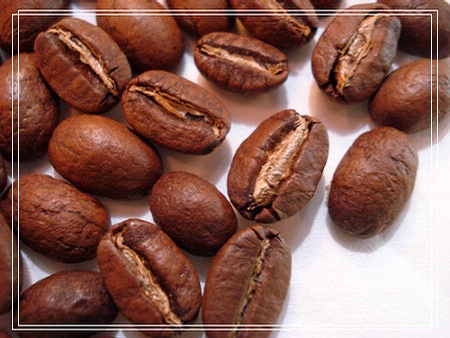
Kaapi Royal Robusta is a 16/17 mesh-sized bean, dense and uniform in appearance. Unlike typical sun-dried robustas, it has no astringent edge, no earthiness, and no rubbery aftertaste. In fact, it tastes nothing like traditional robusta. Some describe it as reminiscent of Japanese genmai-cha (roasted rice tea). According to The Coffee Dictionary, when sipped on its own, it doesn’t taste much like coffee at all—it’s more tea-like, with a thick, syrupy mouthfeel. That unique profile sets it apart from both low-grade robustas and even most arabicas.
How Washed Processing Shapes the Cup
The washed (or wet) process plays a huge role in Kaapi Royal’s character. In this method, coffee cherries are floated to remove underripe fruit, then pulped to remove the skin. The sticky mucilage is broken down through controlled fermentation in water, then washed away before the beans are dried. This extended contact with water leaches out some sugars (like fructose and glucose), reducing sweetness but amplifying acidity and aromatic compounds. The result is a cleaner, brighter cup—something rarely associated with robusta. For Kaapi Royal, the washed process helps tame harsh notes and highlight its unusual tea-like qualities.
Frequently Asked Questions
What is Kaapi Royal Robusta?
Kaapi Royal Robusta is a high-quality, washed robusta coffee bean grown in India. It is known for its clean, tea-like flavor profile, absence of harsh or rubbery notes, and premium pricing that often exceeds that of standard arabica coffees. It is considered one of the finest robustas available in specialty markets.
How is Kaapi Royal different from regular robusta?
Unlike typical robustas, which are often processed using inexpensive dry methods and have strong bitter, earthy, or rubbery flavors, Kaapi Royal is washed (wet-processed). This method results in a cleaner cup with no astringency, no earthiness, and a unique tea-like sweetness. It also has a much smoother, more refined mouthfeel.
Why is Kaapi Royal so expensive?
Kaapi Royal commands a high price due to its limited production, meticulous processing, and premium quality sorting. It is processed using the washed method, hand-selected, and has a cup profile that rivals specialty arabicas. Its scarcity and high demand in the U.S. specialty market also contribute to its premium pricing.
Does washed robusta taste like arabica?
Not exactly. While washed robusta like Kaapi Royal can have a clean, bright cup with low bitterness, it doesn’t taste identical to arabica. Some tasters note a tea-like quality, such as similarities to Japanese genmai-cha, and describe the mouthfeel as thick and syrupy rather than fruity or acidic like many arabicas.
What makes washed processing important for robusta?
Washed processing removes the fruit mucilage with water and fermentation, which reduces sugars but enhances clarity and acidity. For robusta, this process helps reduce harsh, earthy, or rubbery notes and can highlight subtle floral or tea-like characteristics—making it possible to produce a more refined and specialty-worthy cup.
Recommended FrontStreet Beans for Robusta Lovers
If you’re curious about robusta’s potential beyond stereotypes, try FrontStreet’s Kenya Little Tomato: a washed Kenyan single origin with bright acidity, sweet tomato-like notes, and juicy complexity. For something more classic, FrontStreet’s Jamaica Blue Mountain No.1 offers delicate nuttiness and balanced sweetness—but if you want to explore robusta directly, India’s Kaapi Royal Robusta (mentioned in the article) is a must-try for its tea-like sweetness and clean profile. Freshly roasted within 5 days · Orders placed before 17:00 ship the same day · Next-day delivery across most of Guangdong Province.
FrontStreet Coffee is a long-established specialty coffee roaster in Guangzhou China, selling freshly roasted beans from its own farm in Yunnan as well as dozens of carefully selected single-origin beans from around the world for both pour-over and espresso. The products deliver consistently excellent quality and great value, with shipping within 24 hours. Guangzhou's FrontStreet Coffee shop is recommended by many coffee lovers, and the beans are now available online at the Tmall 。
Important Notice :
前街咖啡 FrontStreet Coffee has moved to new addredd:
FrontStreet Coffee Address: 315,Donghua East Road,GuangZhou
Tel:020 38364473