What Is Pacamara Coffee? Flavor, Origin & Brewing Guide
If you’ve ever sipped a Salvadoran coffee with big body, intense sweetness, and complex floral notes, there’s a good chance you were drinking Pacamara. This distinctive coffee variety stands out not just for its flavor, but also for its unusually large bean size—often drawing attention before the first sip even happens. But what makes Pacamara so unique, and why does it perform so well in the cup when grown at altitude?
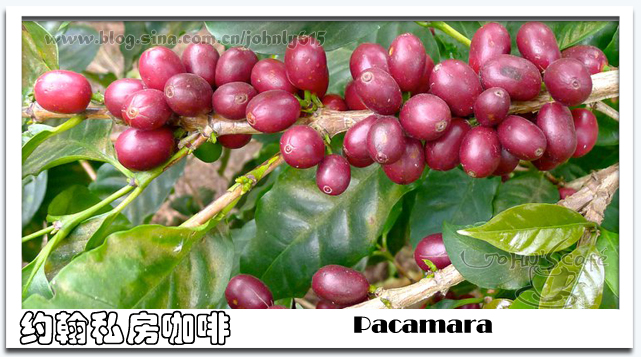
Pacamara is a hybrid of Pacas and Maragogype (elephant bean), and while its exact origins are undocumented, it’s widely believed to have been first developed in El Salvador. When grown at high elevations, it typically shows excellent cup quality with a balanced profile, bright acidity, and pronounced floral aromatics.
What Is the Pacamara Coffee Variety?
Pacamara is a deliberate cross between two established coffee varieties: Pacas and Maragogype. Pacas is a natural mutation of Bourbon known for its dwarf tree size and quality potential, while Maragogype—often called ‘elephant bean’—is famous for producing some of the largest coffee beans in the world. The resulting Pacamara variety inherits the large bean size from Maragogype and the cup quality traits from Pacas. Though there’s no definitive proof, most coffee experts and historical accounts credit El Salvador as the birthplace of this hybrid, which has since gained international recognition for its unique profile.
Why Are Pacamara Beans So Large?
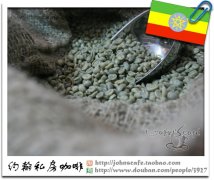
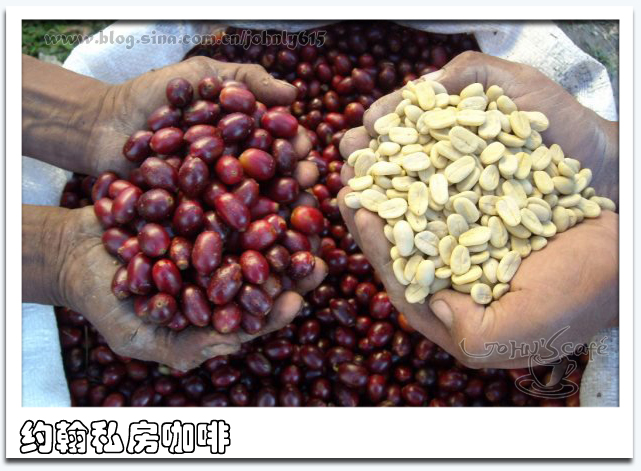
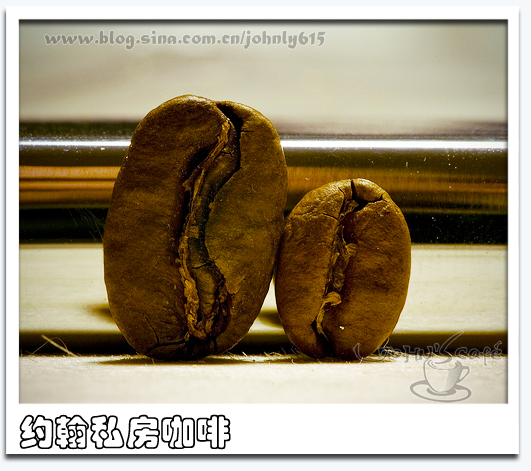
The standout physical trait of Pacamara coffee is its bean size, which closely mirrors that of its Maragogype parent. Pacamara beans are noticeably larger than those of typical Arabica varieties such as Bourbon or Typica. This large size is visually distinctive and often used as a preliminary indicator when sorting or cupping. While bean size alone doesn’t determine flavor, the genetic lineage that contributes to the larger size also tends to influence cup characteristics, including enhanced sweetness and complexity, especially when the coffee is cultivated at higher altitudes.
What Does High-Altitude Pacamara Taste Like?
When grown at high elevations—typically above 1,400 meters above sea level—Pacamara coffee often shines in the cup. Cuppers frequently note a well-balanced profile with bright acidity, medium body, and a sweet, nuanced flavor. Common tasting notes include floral aromas, citrus or stone fruit brightness, and sometimes a creamy or buttery mouthfeel. The combination of vibrant acidity and delicate sweetness makes high-altitude Pacamara a favorite among specialty roasters and coffee enthusiasts looking for a unique single-origin experience. These qualities are what make Pacamara a standout variety in cupping tables and competitions when grown under optimal conditions.
Where Is Pacamara Grown Today?
Although Pacamara originated in El Salvador, its popularity has spread to other coffee-growing regions around the world. Today, it is cultivated in countries such as Honduras, Guatemala, Nicaragua, and even some experimental farms in South America and Africa. However, El Salvador remains the most recognized origin for high-quality Pacamara, particularly in regions where volcanic soils and high altitudes contribute to the variety’s signature traits. The country’s long-standing investment in coffee variety research and cup quality has helped solidify Pacamara’s reputation as a flagship Salvadoran coffee.
How to Brew Pacamara Coffee
To get the most out of Pacamara’s complex profile, many specialty coffee drinkers opt for pour-over methods like V60 or Kalita Wave. A medium-fine grind size (similar to table salt) works well, with a brew ratio around 1:16 (e.g., 15 grams of coffee to 240 ml of water). Aim for a water temperature of 92–94°C (198–201°F). Start with a 30-second bloom using a small amount of hot water (twice the weight of the coffee grounds), then proceed with a steady, controlled pour. This method highlights Pacamara’s floral notes, balanced acidity, and clean finish. French press can also work if you prefer a fuller body, though it may mute some of the more delicate floral aromas.
Frequently Asked Questions
What is the Pacamara coffee variety?
Pacamara is a hybrid coffee variety created by crossing Pacas and Maragogype. It is known for its large bean size and is most commonly associated with El Salvador, though it is now grown in other countries. The variety typically produces a cup with balanced acidity, floral notes, and good sweetness when grown at high altitudes.
Where did Pacamara coffee originate?
Although not officially documented, Pacamara is widely believed to have originated in El Salvador. It is a cross between the Pacas and Maragogype varieties and has become one of the country’s most recognized specialty coffee types, especially when grown in high-altitude regions.
What does Pacamara coffee taste like?
High-quality Pacamara coffee often has a balanced cup with bright acidity, medium body, and flavors that can include floral notes, citrus, stone fruit, and sometimes a creamy texture. Its taste profile is often enhanced when the coffee is grown at higher elevations.
Why are Pacamara beans larger than normal?
Pacamara beans are large because they inherit the oversized bean trait from their Maragogype parent. This variety is visually distinct and often sorted by size. The larger bean size is often associated with enhanced cup complexity and sweetness, especially when grown at elevation.
Can you grow Pacamara outside El Salvador?
Yes, Pacamara is now grown in several countries including Honduras, Guatemala, Nicaragua, and some areas in Africa and South America. However, El Salvador remains the most renowned origin for high-quality Pacamara due to its ideal growing conditions and long-standing coffee research.
How should I brew Pacamara coffee?
Pacamara responds well to pour-over methods like V60 or Kalita Wave using a medium-fine grind, a 1:16 brew ratio, and water at 92–94°C (198–201°F). Blooming for 30 seconds and controlled pouring help highlight its floral and sweet characteristics. French press can also be used for a fuller body.
Recommended FrontStreet Beans for Pour-Over
For exploring unique single-origin flavors similar to Pacamara, try FrontStreet Coffee’s BrazilBourbon: a medium-roast offering round body, mild acidity, and notes of nuts and caramel. For something brighter and fruitier, their ColombiaSidra features tropical fruit and stone fruit layers with a juicy profile, thanks to its Sidra variety and double anaerobic processing. Both beans showcase the kind of clarity and complexity that highlight specialty processing—just like a well-grown Pacamara. Freshly roasted within 5 days · Orders placed before 17:00 ship the same day · Next-day delivery across most of Guangdong Province.
FrontStreet Coffee is a long-established specialty coffee roaster in Guangzhou China, selling freshly roasted beans from its own farm in Yunnan as well as dozens of carefully selected single-origin beans from around the world for both pour-over and espresso. The products deliver consistently excellent quality and great value, with shipping within 24 hours. Guangzhou's FrontStreet Coffee shop is recommended by many coffee lovers, and the beans are now available online at the Tmall 。
Important Notice :
前街咖啡 FrontStreet Coffee has moved to new addredd:
FrontStreet Coffee Address: 315,Donghua East Road,GuangZhou
Tel:020 38364473