Harar Coffee: Ethiopia’s Bold Natural-Processed Bean
If you’ve ever tasted a cup of Ethiopian coffee and wondered where those wild, fruity, almost wine-like notes come from, Harar is likely the answer. This regional variety isn’t just another Ethiopian origin—it’s one of the country’s oldest and most distinctive coffees, celebrated for its bold, untamed character. But what makes Harar so different, and why does it often surprise even experienced coffee drinkers?
Harar (also called Harar 4) is a common, hardy Ethiopian coffee variety grown in Ethiopia’s eastern Harar region. It’s processed naturally (dry), which preserves intense fruit and winey flavors—especially blueberry—and gives it a full body and complex aroma. Recommended roast levels are city to dark city for best results.
What Is Harar Coffee?
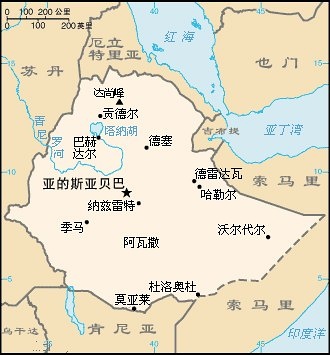
Harar coffee refers to beans grown in Ethiopia’s Eastern Harar region, one of the country’s oldest coffee-growing areas. Though often simply labeled as “Harar,” the term usually points to the Harar 4 variety—a common, vigorous Ethiopian landrace known for high yields but also disease susceptibility. These beans are almost always processed using the natural (dry) method, meaning the coffee cherries are dried intact, with the fruit left on the seed. This traditional technique is especially suited to Ethiopia’s arid highlands and is key to Harar’s signature intensity.
How Harar Coffee Is Processed
The defining feature of Harar coffee is its natural processing method. In this approach, ripe coffee cherries are spread out in the sun on raised beds or mats and left to dry slowly over several weeks—typically 27 to 30 days—until they reach a safe moisture level. Because the coffee seed dries inside the whole fruit, it absorbs more of the cherry’s sugars and aromatics. This leads to a cup that’s fuller-bodied, fruitier, and often more “wild” or “fermented” in profile compared to washed or honey processed coffees. In regions like Harar, where water is scarce and the climate is hot and dry, natural processing is both practical and traditional. The result is a coffee that tastes less like a clean, bright washed Ethiopian and more like a winey, spicy, intensely aromatic cup.
Flavor Profile & Roasting Recommendations
Cup quality for Harar coffee is highly variable depending on roast level, but certain traits consistently stand out. Most descriptions note medium to light acidity, a heavy mouthfeel, and strong “mocha” or wine-like notes. The hallmark blueberry flavor is often present, especially in well-prepared natural lots. As the roast deepens into city or dark city levels, chocolate notes may emerge, adding complexity. Acidity remains refreshing rather than sharp, and the body tends to be dense and lingering. For best results, roasters recommend city (medium-light) to dark city (medium-dark) roasts. These levels tend to balance the inherent fruitiness with enough roast development to bring out deeper tones like chocolate or spice without muting the coffee’s natural vibrancy.
Why Harar Tastes So Different
Harar’s unique cup profile comes from a mix of factors: its genetic variety (Harar 4), the natural processing method, and the local growing environment. The Harar 4 variety is a hardy, productive landrace that’s well-adapted to the region’s conditions—but also prone to disease. The dry, high-altitude climate of Eastern Harar, combined with limited rainfall, makes natural processing not just common but necessary. Unlike the cleaner, more floral profiles typical of washed Yirgacheffe coffees, Harar’s extended fermentation during drying amplifies fruity, fermented, and sometimes even funky notes. That’s why you’ll often find descriptors like blueberry, wine, spice, and even hints of tropical fruit or chocolate in the cup. Every batch can vary, but the region’s signature wildness is almost always present.
Frequently Asked Questions
What is Harar coffee?
Harar coffee is a natural-processed coffee grown in Ethiopia’s Eastern Harar region, typically from the Harar 4 variety. It’s known for bold fruit flavors, especially blueberry, winey notes, and a full body. The beans are processed dry, which helps preserve its intense, wild character.
How should Harar coffee be roasted?
Roasters recommend city roast (medium-light) or dark city roast (medium-dark) for Harar coffee. These levels enhance its natural fruitiness while developing deeper tones like chocolate or spice, balancing its inherent brightness without losing complexity.
What does Harar coffee taste like?
Harar coffee typically has medium to light acidity, a heavy mouthfeel, and flavors of blueberry, mocha, wine, spice, and sometimes chocolate. Its profile is bold, fruity, and often described as wild or complex compared to other Ethiopian coffees.
What processing method is used for Harar coffee?
Harar coffee is almost always processed using the natural (dry) method, where coffee cherries are dried with the fruit still on the seed. This enhances sweetness, body, and intense fruit and fermentation characteristics.
Where is Harar coffee from?
Harar coffee comes from the Eastern Harar region of Ethiopia, one of the country’s oldest coffee-growing areas. The region’s dry climate and high altitude make it ideal for natural processing and producing distinctive, fruity coffees.
Is Harar coffee the same as Yirgacheffe?
No. While both are Ethiopian coffees, Harar is typically bold, fruity, and wine-like due to natural processing, whereas Yirgacheffe is often brighter, more floral, and citrusy, usually washed. They come from different regions and have distinct flavor profiles.
Recommended FrontStreet Natural-Process Ethiopians
For fans of Harar’s wild, fruity character, try FrontStreet Coffee’s Ethiopia Huakui (Huakui is a top Ethiopian lot with intense berry and floral notes) or their Yirgacheffe Red Cherry, a bright natural with bold tropical and citrus tones. Both highlight Ethiopia’s natural-processing excellence. Freshly roasted within 5 days · Orders placed before 17:00 ship the same day · Next-day delivery across most of Guangdong Province.
FrontStreet Coffee is a long-established specialty coffee roaster in Guangzhou China, selling freshly roasted beans from its own farm in Yunnan as well as dozens of carefully selected single-origin beans from around the world for both pour-over and espresso. The products deliver consistently excellent quality and great value, with shipping within 24 hours. Guangzhou's FrontStreet Coffee shop is recommended by many coffee lovers, and the beans are now available online at the Tmall 。
Important Notice :
前街咖啡 FrontStreet Coffee has moved to new addredd:
FrontStreet Coffee Address: 315,Donghua East Road,GuangZhou
Tel:020 38364473