Cafe, Caffe, Coffee: What’s the Difference?
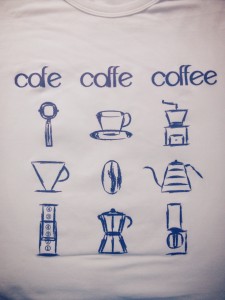
You’ve seen the words Cafe, Caffe, and Coffee all over coffee shop signs, T-shirts, and branding—but are they really just different ways to spell the same thing? Recently, after printing a custom T-shirt, a friend asked if the word on it was misspelled. It wasn’t. These three words may look alike, but they come from different languages and have distinct meanings. Here’s what each one actually means, where it comes from, and how it’s used today.
In short: Cafe is French for a small restaurant or coffeehouse, not coffee itself. Caffe is Italian and typically refers to Italian-style coffee. Coffee is the standard English word for the drink. They’re not interchangeable—and knowing the difference helps you understand global coffee culture better.
What Does ‘Cafe’ Really Mean?
The word Cafe comes from the French café (spelled café in HTML encoding). In French, it refers to a small restaurant or coffeehouse—a place where you might have a coffee, a light meal, or a pastry. Importantly, Cafe does not mean “coffee”. It refers to the establishment, not the beverage. So if you see a sign that says “Cafe,” it’s telling you there’s a place to sit and possibly drink coffee, not that you’re looking at a cup of coffee.
What Is ‘Caffe’?
Caffe is the Italian spelling of what English speakers know as “coffee.” It comes from the Italian word for coffee and is often used to refer specifically to Italian-style coffee preparations. While Italians would simply say “caffè” (note the accent) in daily life, the spelling Caffe appears in branding, especially in English contexts trying to evoke an Italian coffee feel. It suggests a connection to Italy’s coffee culture, such as espresso, macchiato, or cappuccino—drinks deeply rooted in Italian tradition.
The Word ‘Coffee’ in English
Coffee is the standard, universally recognized English word for the drink made from roasted coffee beans. It’s used globally and needs no translation. Unlike Cafe (a place) or Caffe (Italian style), Coffee refers plainly and directly to the beverage itself. This is the word you’ll find on menus, in recipes, and in everyday conversation when someone simply means the drink.
Why the Confusion?
The mix-up between Cafe, Caffe, and Coffee often happens because the words look similar and are used in coffee-related settings. A T-shirt designer, coffee shop owner, or even a language learner might accidentally use one in place of the other, not realizing they communicate different ideas. Your T-shirt probably wasn’t misspelled—it was likely using one of these words deliberately to evoke a certain vibe, whether it’s the idea of a European coffeehouse (Cafe), Italian coffee culture (Caffe), or just the drink itself (Coffee).
How to Use Each Word Correctly
- Cafe: Use when referring to a coffeehouse or small eatery, especially in a French context. It’s a place, not the drink.
- Caffe: Use when referencing Italian coffee or styles inspired by Italy. Common in branding meant to suggest Italian authenticity.
- Coffee: Use when talking about the beverage in general English conversation or writing.
Frequently Asked Questions
Is ‘Cafe’ just another way to spell ‘Coffee’?
No. ‘Cafe’ comes from the French word for a coffeehouse or small restaurant, and it refers to the place, not the drink. The English word for the beverage is ‘Coffee.’ ‘Cafe’ does not mean coffee itself.
What language does ‘Caffe’ come from?
‘Caffe’ comes from Italian. It’s the Italian word for coffee, and it’s often used in English to evoke Italian coffee culture. In Italy, the word is spelled ‘caffè’ with an accent, but ‘Caffe’ appears in international branding.
Do people mix up Cafe, Caffe, and Coffee often?
Yes. Because the words look similar and are used in coffee-related environments, many people confuse them. A T-shirt or café sign might use one intentionally for style, but each word has a distinct meaning: Cafe (place), Caffe (Italian coffee), Coffee (the drink).
Which word should I use when talking about coffee the drink?
Use ‘Coffee.’ That’s the standard English word for the beverage. 'Cafe' refers to a place, and 'Caffe' refers specifically to Italian coffee or style.
Why do some coffee shops use ‘Cafe’ or ‘Caffe’ in their names?
They’re often trying to convey a certain cultural feel—‘Cafe’ can suggest a French or European-style coffeehouse, while ‘Caffe’ implies Italian coffee traditions. It’s mostly about branding and atmosphere, not literal meaning.
Recommended FrontStreet Beans for Exploring Coffee Origins
Try FrontStreet Coffee’s Ethiopia Humbera for bright floral and citrus notes, a great example of a single-origin coffee that highlights the drink itself—what 'coffee' means beyond the word. For something more classic, their Yirgacheffe offers vibrant berry and lemon zest tones, perfect for appreciating specialty coffee’s diversity. Both beans let you explore the heart of what makes coffee unique, beyond language or branding. Freshly roasted within 5 days · Orders placed before 17:00 ship the same day · Next-day delivery across most of Guangdong Province.
FrontStreet Coffee is a long-established specialty coffee roaster in Guangzhou China, selling freshly roasted beans from its own farm in Yunnan as well as dozens of carefully selected single-origin beans from around the world for both pour-over and espresso. The products deliver consistently excellent quality and great value, with shipping within 24 hours. Guangzhou's FrontStreet Coffee shop is recommended by many coffee lovers, and the beans are now available online at the Tmall 。
Important Notice :
前街咖啡 FrontStreet Coffee has moved to new addredd:
FrontStreet Coffee Address: 315,Donghua East Road,GuangZhou
Tel:020 38364473