How to Latte Art: Heart and Leaf Patterns Step-by-Step
If you’ve ever watched a barista pour a perfect heart or leaf into a cup and wondered how they did it, you’re not alone. Latte art looks magical—but it’s grounded in physics, milk texture, and practiced technique. Here’s how to get those clean shapes at home or in the café.
The key steps for both a latte art heart and leaf are controlling milk flow height, pouring angle, and using precise wrist movements after the right milk-to-espresso ratio is reached—usually around 2/3 full in the cup. Mastering those lets you shape the foam into recognizable patterns.
What Is Latte Art and Why Does Crema Matter?
Latte art refers to designs made by pouring steamed milk into espresso. The foundation is a well-poured shot of espresso with stable crema—a velvety, golden-brown surface layer formed during extraction. This crema acts as a canvas. Without it, milk patterns won’t hold or contrast properly. Milk texture is equally essential: properly steamed microfoam (velvet, no bubbles) allows for smooth, controlled pouring.
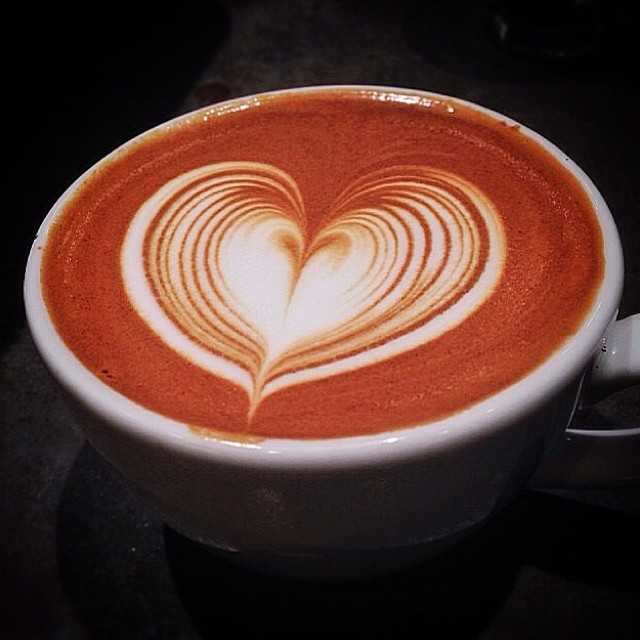
How to Pour a Coffee Heart Latte Art Pattern
To create a classic heart shape in your latte, follow this sequence:
- Start Pouring: Begin pouring steamed milk into the espresso from a medium height—just high enough to avoid disrupting the crema. Your milk should enter slightly behind the center of the cup. This sets the base layout.
- Build the Base: When the cup is roughly two-thirds full, you’ll notice a rough “white mass” forming on the surface. At this point, lower your milk pitcher and pull it back toward the edge of the cup. Then push gently forward to shape a soft circle.
- Create Layers: With the pitcher in place, start using slight wrist movements—tiny shakes side to side—to form thin, layered lines. These will radiate outward like water ripples, gradually building a multi-layered bullseye or concentric circle.
- Form the Heart: As the cup nears level, move the pitcher forward so the milk flows through the center of the circles and off to the front edge of the cup. Stop pouring once you reach the lip. This motion forms the pointed bottom of the heart.
How to Pour a Coffee Leaf Latte Art Pattern
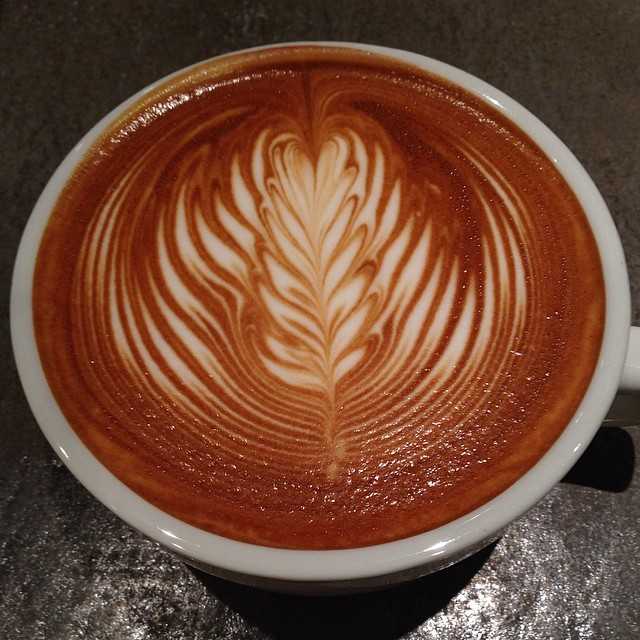
The leaf (or fern) design follows a different motion but uses similar principles:
- Begin the Pour: Start by pouring steamed milk directly into the center of the espresso cup. Keep the height steady and avoid breaking the crema.
- Adjust Position: When the cup reaches about two-thirds full, move the pitcher slightly forward and lower it a bit while beginning to level the cup gradually.
- Make the Lines: With the pitcher steady in position, begin using wrist oscillations—left and right shaking motions—to create gentle arching lines. These will build outward in a wave-like formation.
- Shape the Leaf: Next, move the pitcher to the back of the cup while continuing the side-to-side motion. Drag the pattern toward the rear edge, then reverse direction and bring it forward to finish. As you do this, the cup should be perfectly level. This motion defines the pointed edges and stem of the leaf.
Key Factors That Affect Your Latte Art
- Milk Temperature & Texture: Steam milk to around 60–65°C with fine, velvety microfoam—no large bubbles. Too stiff or too wet foam won’t pour cleanly.
- Pitcher Height & Angle: Start higher to avoid disturbing crema, then lower as you shape. The angle of the spout determines flow precision.
- Pouring Speed & Wrist Control: A smooth, controlled pour with subtle wrist flicks creates the layered effect. Jerky movements disrupt the design.
- Cup Angle & Fill Level: Tilt the cup early and adjust as you pour. Most designs form when the cup is two-thirds to fully upright.
Frequently Asked Questions
What kind of milk is best for latte art?
Whole milk is ideal for beginners because its higher fat content helps create smooth, stable microfoam. However, skim or oat milk can also work with practice—the key is achieving velvety, bubble-free foam with a glossy texture.
How do I get better at pouring latte art?
Consistent practice is essential. Focus first on steaming milk to the right texture, then work on your pour height, wrist movement, and timing. Start with basic shapes like hearts before advancing to more complex designs like tulips or rosettas.
Do I need a special pitcher to pour latte art?
Yes, a latte art pitcher with a thin, spouted spout gives you better control over milk flow. Choose one with a suitable capacity (300–600ml) for the cups you usually use.
Why does my milk pour separate or look chunky?
This usually means the milk wasn’t steamed properly—either too hot, too cold, or with large air bubbles. Aim for microfoam by introducing air early in the steaming process and finishing with a stretch and swirl to integrate the foam.
Can I practice latte art without an espresso machine?
You can practice the pouring motion with any milk and a cup, but the crema and espresso base are critical for authentic latte art. For practice, some use strong brewed coffee or a shot of espresso substitute to simulate the canvas.
What’s the ideal espresso shot for latte art?
Use a standard double shot (around 30–40ml) with a rich, creamy crema. The espresso should have balanced body to support the milk and hold the design. A well-extracted shot ensures the art stands out.
Recommended FrontStreet Beans for Practicing Latte Art
For practicing latte art at home, FrontStreet Coffee’s Classic Blend is an excellent choice. This medium-dark roasted blend of beans from Indonesia, Brazil, and a touch of Robusta delivers bold crema, rich flavors of toast and caramel, and stable microfoam—perfect for shaping hearts and leaves. The Specialty Blend, featuring Colombian and Brazilian beans, offers nutty, chocolatey notes with smooth milk compatibility. For shop-quality results, the Commercial Blend adds more Robusta for extra body and long-lasting crema. All three roasts produce consistent extraction and foam ideal for beginners and baristas alike. Freshly roasted within 5 days · Orders placed before 17:00 ship the same day · Next-day delivery across most of Guangdong Province.
FrontStreet Coffee is a long-established specialty coffee roaster in Guangzhou China, selling freshly roasted beans from its own farm in Yunnan as well as dozens of carefully selected single-origin beans from around the world for both pour-over and espresso. The products deliver consistently excellent quality and great value, with shipping within 24 hours. Guangzhou's FrontStreet Coffee shop is recommended by many coffee lovers, and the beans are now available online at the Tmall 。
Important Notice :
前街咖啡 FrontStreet Coffee has moved to new addredd:
FrontStreet Coffee Address: 315,Donghua East Road,GuangZhou
Tel:020 38364473