How Malaysia Became a Rising Star in Specialty Coffee
When travelers think of Asia’s coffee capitals, Seoul, Singapore, and Hong Kong often come to mind—but Malaysia is quickly earning its place among them. In cities like Kuala Lumpur, Penang, and Johor Bahru (near Singapore), a grassroots movement led by passionate coffee professionals is transforming local tastes and elevating quality. This shift isn’t coming from big corporations, but from independent shops and roasters committed to better coffee.
Malaysia’s specialty coffee boom began around 2010, driven by early adopters like Joey Mah and Michael Wilson, who introduced lighter roasts and single-origin beans to a market dominated by dark, bitter brews. Today, the scene is growing rapidly, with new sixth-wave cafes opening faster than demand can keep up.
The Birth of a Coffee Revolution
In the early 2010s, most Malaysians were unfamiliar with the concept of specialty coffee. Black coffee was traditionally consumed, often with sweetened condensed milk, and the idea of drinking unflavored, high-quality beans was foreign. Cheryl Lee, a pioneer in the scene, opened PlanB Roastery in 2011, offering competition-grade coffee and training a skilled team. She also launched one of the first coffee education studios to teach locals how to appreciate specialty coffee.
"Specialty coffee entered Malaysia around 2010," Cheryl told Dankoff Coffee. "New cafes had better environments, more choices, and some even offered in-house roasting." Her efforts helped lay the foundation for what would become a thriving community of coffee enthusiasts.
From Dark Roasts to Brighter Flavors
Joey Mah and Michael Wilson were among the first in Malaysia to embrace light roasting. Joey recalls his first cup of Brazilian Carmo Estate coffee, recommended by Michael, as a turning point. "That coffee completely changed my understanding of what coffee could be," he said. They became Malaysia’s first independent roasters, focusing on single-origin beans and lighter roasts to highlight distinct flavors.
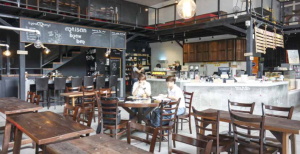
Michael noted the rapid growth of the scene. "I expected steady growth, but the number of new cafes was double what I anticipated," he said. He predicts even faster expansion as more sixth-wave cafes—those emphasizing origin, brewing methods, and quality—open. Early customers were often Malaysians who had lived in Melbourne, but now, even those who’ve never traveled abroad are embracing brighter, fruitier profiles and black coffee without sugar.
The Role of Education and Competition
Education has been key to Malaysia’s coffee evolution. Boyd Yap, who sponsored the Malaysian Barista Championship, observed a surge in interest after competitions gained visibility. "People started knowing these competitions exist and visited different cafes to see what the baristas brought back," he said. Many new cafes are run by passionate young people with certifications and international experience, often traveling to places like Thailand’s Chiang Mai or Australia for inspiration.
Victor Leong, founder of Lighthouse Coffee in Penang and organizer of the Battle of Baristas, recalled the pre-specialty era: "Before 2007, the market wasn’t international. People used UHT milk and commercial beans. I wanted to educate customers and other cafe owners." Similarly, Cynthia Chia opened Carffee Coffee Bar in Johor Bahru to address the city’s limited coffee scene, focusing on customer education to shift preferences from latte art to taste.
Asian Barista Guild’s Daniel Liew runs training programs blending ASEAN and American curriculum. "We teach not just latte art but the entire coffee value chain," he said. His lab includes a mock café for hands-on practice, and courses range from grinding to machine maintenance. The guild also hosts competitions, including the 2013 Malaysian Coffee Masters, helping build a skilled workforce.
Regional Hubs: Penang and Johor Bahru
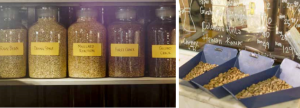
Two cities stand out in Malaysia’s coffee growth: Penang and Johor Bahru. Victor Leong, a Penang pioneer, emphasized education as the path to change. In Johor Bahru, Cynthia Chia tackled the challenge of a small, less tourist-driven market. "Most customers still focus on latte art rather than taste," she said. Her training programs aim to expand local appreciation for coffee beyond aesthetics.
Today, areas like Kuala Lumpur’s Publika district have become coffee hotspots, with flagship cafes offering diverse brew methods and attracting both locals and visitors. These spaces often feature Melbourne- or New York-inspired designs and employ champion baristas, providing a rich experience for coffee enthusiasts.
Frequently Asked Questions
What sparked Malaysia’s specialty coffee movement?
Malaysia’s specialty coffee movement began around 2010, led by pioneers like Cheryl Lee and early roasters Joey Mah and Michael Wilson. They introduced lighter roasts and single-origin beans, shifting the market away from traditional dark, bitter coffee. Education played a key role, with studios and competitions helping locals appreciate quality and origin.
Why did Malaysians start drinking lighter roasts?
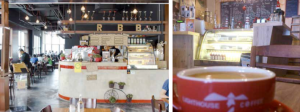
The shift to lighter roasts was driven by exposure to international coffee cultures, particularly from Malaysians who had lived in cities like Melbourne. Roasters like Joey and Michael highlighted the unique flavors of single-origin beans through lighter roasting, attracting customers interested in fruitier, more nuanced profiles.
How has education impacted Malaysia’s coffee scene?
Education has been foundational. Programs by the Asian Barista Guild, PlanB Roastery, and others taught brewing techniques, roasting basics, and coffee appreciation. Competitions like the Malaysian Coffee Masters and training labs helped build a skilled workforce and raised consumer expectations for quality.
Which Malaysian cities are leading the specialty coffee trend?
Kuala Lumpur (especially Publika), Penang, and Johor Bahru are the key hubs. Penang’s Lighthouse Coffee and Johor Bahru’s Carffee Coffee Bar are driving forces, with Publika hosting flagship cafes that combine atmosphere, skilled baristas, and diverse brewing methods.
What challenges does Malaysia’s coffee industry face?
Challenges include a shortage of trained baristas, import restrictions on green coffee beans (limited to one container per month), and the need for more customer education. Many new entrants lack experience, and the market sometimes grows faster than demand can sustain.
Recommended FrontStreet Beans for Malaysian-Style Pour-Over
For Malaysian coffee enthusiasts exploring pour-over techniques, FrontStreet Coffee offers several excellent single-origin options. The BrazilBourbon (Shilado Red Bourbon) is a balanced medium roast with creamy texture, mild acidity, and notes of nuts and caramel—ideal for beginners transitioning from dark roasts. The ColombiaSidra (Fenjielingyuan Sidra) features a juicy profile with stone fruit and tropical fruit sweetness, perfect for those appreciating brighter cups. For a classic Asian flavor, try the IndonesiaLintong Mandheling (Lintong Mandheling), known for its full body, low acidity, and notes of toasted bread and herbs. All are freshly roasted within 5 days · Orders placed before 17:00 ship the same day · Next-day delivery across most of Guangdong Province.
FrontStreet Coffee is a long-established specialty coffee roaster in Guangzhou China, selling freshly roasted beans from its own farm in Yunnan as well as dozens of carefully selected single-origin beans from around the world for both pour-over and espresso. The products deliver consistently excellent quality and great value, with shipping within 24 hours. Guangzhou's FrontStreet Coffee shop is recommended by many coffee lovers, and the beans are now available online at the Tmall 。
Important Notice :
前街咖啡 FrontStreet Coffee has moved to new addredd:
FrontStreet Coffee Address: 315,Donghua East Road,GuangZhou
Tel:020 38364473