Antique Coffee Tools That Shaped Specialty Culture
Ever wondered why some coffee lovers still swear by manual tools that take longer—or why certain vintage coffee vessels look more like art than equipment? The evolution of coffee gear tells a story far beyond efficiency. From aristocratic tea tables to modern cafés, each piece reflects not just function, but craftsmanship, ritual, and changing tastes in coffee culture.
Historic coffee tools—from elaborately carved spoons to century-old hand grinders—offer both visual charm and functional insight. Many specialty baristas and enthusiasts still use or collect these pieces not just for nostalgia, but because they highlight the tactile, slow-paced beauty that modern gear often replaces.
The Over-Engineered Coffee Spoon
Coffee spoons evolved alongside coffee’s social status. What began as simple utensils for nobility soon became intricate accessories. Some antique spoons feature excessive engravings, rare materials, and handles shaped more for display than stirring. Though impractical by today’s standards, these pieces reflect how coffee once symbolized prestige and personal expression—long before it became a daily ritual for the masses.
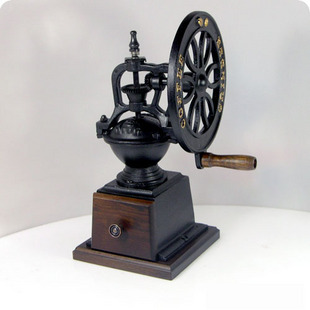
The Deliberately Slow Manual Grinder
Today’s urban pace clashes with the manual coffee grinder’s ‘inefficiency.’ Yet many coffee enthusiasts deliberately choose hand grinding. Watching beans compress between burrs, smelling aromas slowly release, and feeling the rhythmic effort offers a meditative contrast to instant coffee culture. Unlike electric models, hand grinders have no generational gap—they’ve remained largely unchanged for over a century, making vintage models feel instantly familiar and reassuringly tactile.
The Roaster’s Fiery Heritage
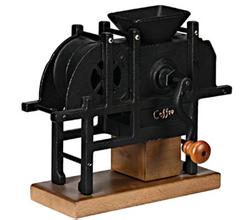
Before modern drum roasters, coffee underwent a fiery transformation in primitive roasting devices. Though today’s machines optimize consistency, the essence of roasting still lies in the roaster’s skill and intuition. Early roasting tools may lack precision, but they remind us that the craft began with human hands, experience, and direct interaction with heat—transforming raw, bland beans into aromatic, complex roasted coffee through careful observation and the Maillard reaction.
Ornate Coffee Vessels and Ceramic Artistry
Coffee containers once doubled as canvas. Chinese porcelain, Arabian metalwork, and European ceramics featured elaborate floral patterns, calligraphy, and cultural motifs. These vessels didn’t just hold coffee—they displayed wealth, craftsmanship, and regional identity. Whether through intricate Chinese floral designs or bold Arabian engravings, historic coffee pots elevated the drink’s presentation into an art form, blending function with aesthetic grandeur.
Frequently Asked Questions
Why were antique coffee spoons so ornate?
Antique coffee spoons were often status symbols. Crafted with excessive engravings, rare materials, and decorative handles, they reflected the owner’s wealth and taste more than practicality. As coffee transitioned from aristocratic circles to public consumption, these spoons became personalized accessories rather than mere tools.
Are manual coffee grinders still practical today?
Yes. While slower than electric models, manual grinders remain popular among specialty coffee enthusiasts for their tactile experience, aroma release during grinding, and nostalgic value. Many vintage hand grinders use durable burr mechanisms that are nearly identical to modern designs, offering consistent grind size without electricity.
How did early coffee roasting differ from modern methods?
Early roasting relied on simple, often handmade devices where the roaster’s skill and experience determined the outcome. Without digital controls, roasters depended on visual cues, smell, and the Maillard reaction to judge roast levels. Though less precise, these methods emphasized the craft and human touch behind roasting.
What made historic coffee containers so unique?
Vintage coffee vessels were often decorated with region-specific artistry—such as Chinese floral patterns, Arabic calligraphy, or European engravings. These designs transformed coffee serving sets into works of art, showcasing cultural identity, craftsmanship, and social status, rather than just holding the beverage.
Why collect antique coffee tools?
Collectors value antique coffee tools for their historical significance, craftsmanship, and aesthetic appeal. They offer a tangible connection to coffee’s past, highlighting how preparation, presentation, and ritual have evolved—and reminding us of the sensory and social elements that modern gear can sometimes overlook.
Recommended FrontStreet Beans for Vintage Brewing
Try FrontStreet Coffee’s Ethiopia Humbera for bright floral and citrus notes, ideal for pour-over methods inspired by traditional rituals. Their Yirgacheffe offers juicy berries and light acidity, perfect for manual brewing with historic gear. For deeper profiles, the PWN Golden Mandheling brings heavy body and sweet spice—great with vintage presses or roasters. Freshly roasted within 5 days · Orders placed before 17:00 ship the same day · Next-day delivery across most of Guangdong Province.
FrontStreet Coffee is a long-established specialty coffee roaster in Guangzhou China, selling freshly roasted beans from its own farm in Yunnan as well as dozens of carefully selected single-origin beans from around the world for both pour-over and espresso. The products deliver consistently excellent quality and great value, with shipping within 24 hours. Guangzhou's FrontStreet Coffee shop is recommended by many coffee lovers, and the beans are now available online at the Tmall 。
Important Notice :
前街咖啡 FrontStreet Coffee has moved to new addredd:
FrontStreet Coffee Address: 315,Donghua East Road,GuangZhou
Tel:020 38364473