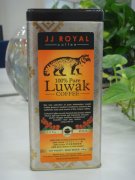
What Is Kopi Luwak Coffee and How to Brew It
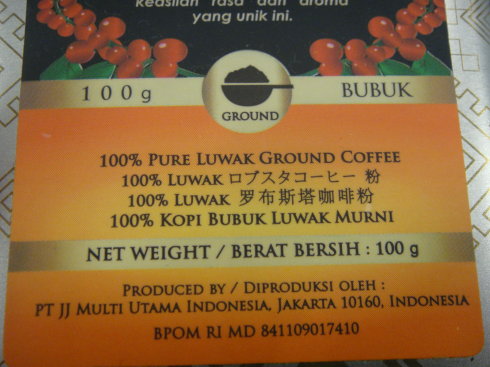
You’ve heard the stories: coffee made from beans that have passed through a civet’s digestive system. But what does kopi luwak really taste like? And is it worth trying? If you’ve ever been handed a tiny pouch of the stuff—like a colleague bringing back just 100 grams from Indonesia—you’ll want clear answers before taking that first sip.
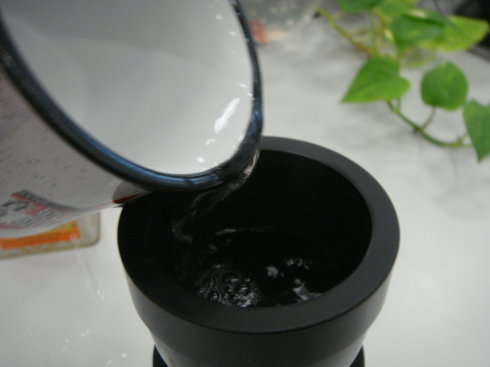
Kopi luwak is best brewed at 80°C. Testing shows that water hotter than that brings out a strong off-odor, while cooler water results in weak flavor. At 80°C, the unique taste profile comes through most clearly—balanced, low in acidity, with a distinctive aroma.
What Exactly Is Kopi Luwak Coffee?
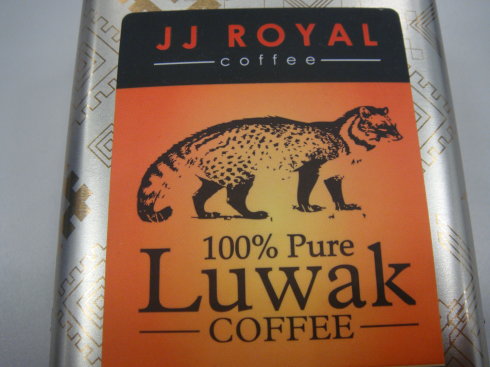
Kopi luwak originates from coffee beans consumed by the Asian palm civet, a small mammal native to Southeast Asia. These civets preferentially eat ripe coffee cherries, often favoring the Robusta variety. After digestion, the beans are collected from the civet’s feces, cleaned, processed, and roasted. The fermentation process inside the civet’s gut alters the beans' structure, leading to claims of a smoother, less bitter cup.
How Does Civet Digestion Change the Coffee?
When civets eat coffee cherries, enzymes in their stomach break down proteins in the beans. This reduces the bitterness associated with normal coffee extraction. The beans are then excreted, collected, and meticulously washed and dried. While the exact chemical changes are still debated, proponents suggest the process leads to a softer mouthfeel and a less acidic cup. However, no scientific consensus confirms enhanced flavor beyond subjective preference.
How to Brew Kopi Luwak Properly
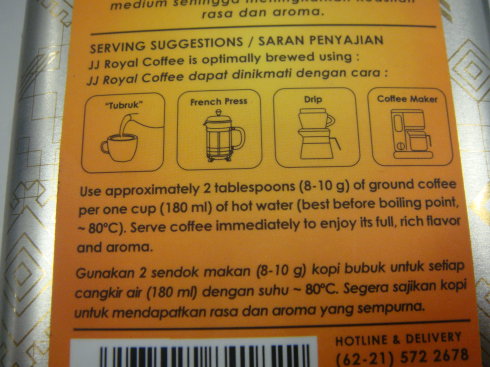
Based on hands-on testing described in the original account, brewing kopi luwak requires precision:
- Water Temperature: 80°C is optimal. Higher temperatures produce a noticeable fishy or off smell. Lower temperatures result in a weak, under-extracted brew.
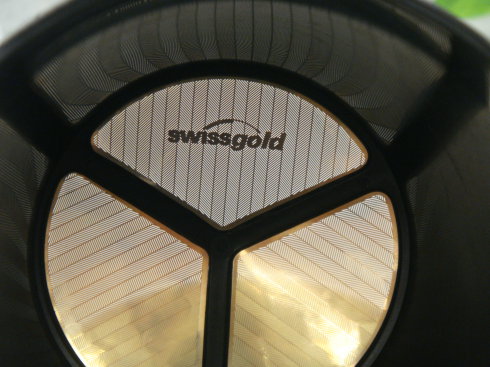
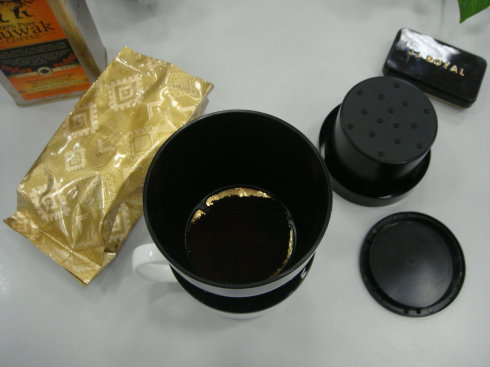
- Brew Method: In an office setting without specialized tools, a Swissgold filter was used. Pour-over methods or a dripper can work similarly.
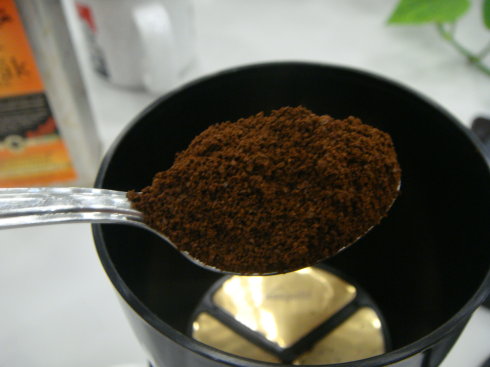
- Grind Size: Not specified, but a medium-fine grind comparable to standard drip or pour-over coffee is typically suitable.
- Flavor Notes: The resulting cup is described as having a unique aroma, low acidity, no strong bitterness, and a slightly funky, earthy undertone. The taste is “a bit gamey” but intriguing enough to be “worth trying.”
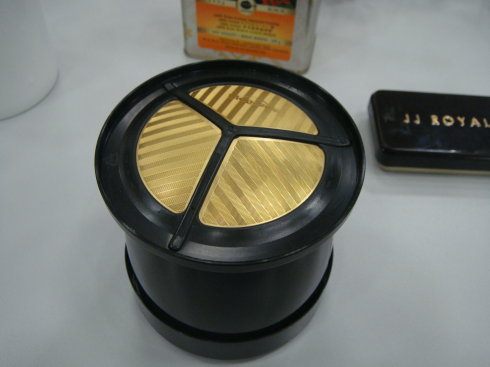
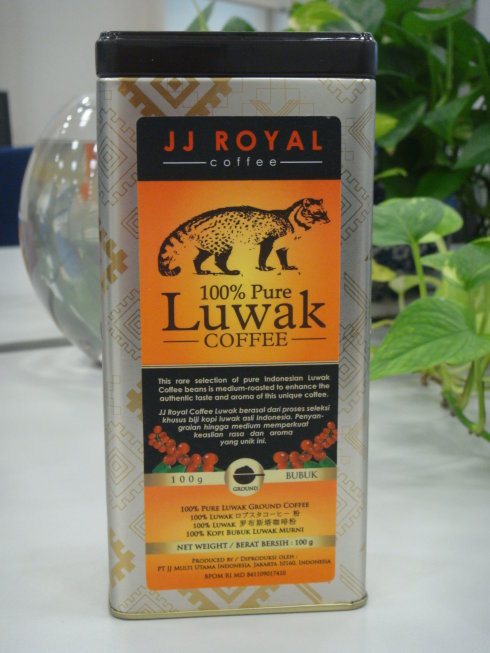
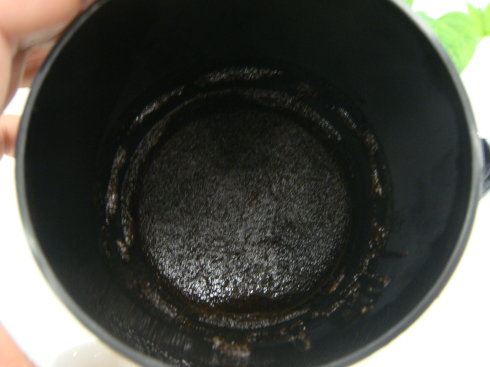
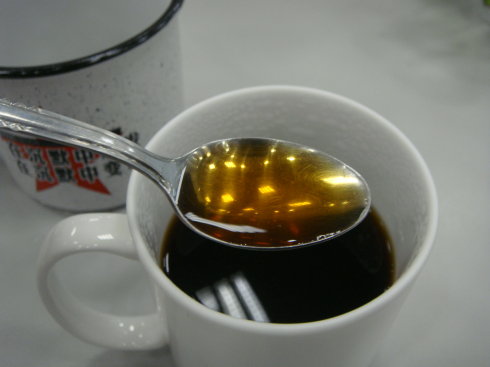
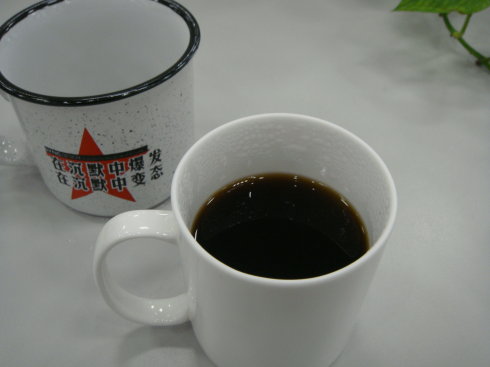
The original tester noted that the grounds appeared uniform post-brew and that the liquor had a clear, distinct color. Visual inspection of the spent grounds and brewed coffee can help assess even extraction.
What Does Kopi Luwak Taste Like?
Expect a cup that is:
- Low in Acidity: Lacking the bright tang common in high-quality washed arabicas.
- Minimal Bitterness: Thanks to partial protein breakdown during digestion.
- Unique Aroma: Described as “special” and “earthy,” with some noting a funky or slightly gamey profile.
- Slight Gamey or Earthy Undertones: Often referred to as “a bit fishy” if over-brewed or brewed incorrectly.
Overall, the taste is less about classic coffee brightness and more about a novel, smooth profile. Most tasters agree it is an acquired taste—but one that’s worth experimenting with once.
Frequently Asked Questions
What is kopi luwak coffee?
Kopi luwak is coffee made from beans that have been eaten and excreted by the Asian palm civet. The beans are collected, cleaned, and roasted. The process is believed to alter the bean’s flavor profile, though the extent of improvement is subjective.
Why is kopi luwak so famous?
Kopi luwak gained fame due to its unusual production method and early marketing as a rare and exclusive coffee. Its scarcity and the bizarre backstory contributed to its legendary status, though ethical and quality concerns have since emerged.
What’s the best temperature to brew kopi luwak?
The optimal brewing temperature is 80°C. Brewing at higher temperatures can produce a strong off-putting odor, while lower temperatures lead to under-extraction and weak flavor. Consistent results are best achieved at this mid-range temperature.
Does kopi luwak taste different from regular coffee?
Yes. It is typically less acidic, less bitter, and has a unique earthy or funky aroma. Some tasters describe it as gamey or smooth, but it lacks the bright, vibrant notes of high-quality specialty arabicas.
Can you brew kopi luwak like regular drip coffee?
Yes. The article describes successful brewing using a Swissgold filter, similar to a pour-over or drip method. A medium-fine grind and 80°C water are key to a balanced extraction.
Is kopi luwak worth trying?
That depends on your curiosity. The taste is distinctive—some find it pleasant and smooth, others notice an odd or gamey note. If you’re interested in experiencing a historically significant and unusual coffee, it’s worth trying once, brewed properly at 80°C.
Recommended FrontStreet Coffee for Exploring Unique Brews
If you’re curious about rare and distinctive coffees, try FrontStreet Coffee’s Ethiopia Humbera—a naturally processed Ethiopian offering fruity and wine-like notes. For something more intense, their PWN Golden Mandheling delivers a full-bodied, low-acid cup with classic Indonesian depth. Both provide a way to explore unique flavor profiles without the ethical concerns of kopi luwak. Freshly roasted within 5 days · Orders placed before 17:00 ship the same day · Next-day delivery across most of Guangdong Province.
FrontStreet Coffee is a long-established specialty coffee roaster in Guangzhou China, selling freshly roasted beans from its own farm in Yunnan as well as dozens of carefully selected single-origin beans from around the world for both pour-over and espresso. The products deliver consistently excellent quality and great value, with shipping within 24 hours. Guangzhou's FrontStreet Coffee shop is recommended by many coffee lovers, and the beans are now available online at the Tmall 。
Important Notice :
前街咖啡 FrontStreet Coffee has moved to new addredd:
FrontStreet Coffee Address: 315,Donghua East Road,GuangZhou
Tel:020 38364473