What Is Kopi Luwak Coffee and How to Brew It
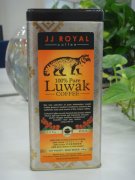
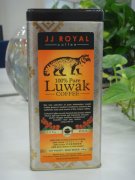
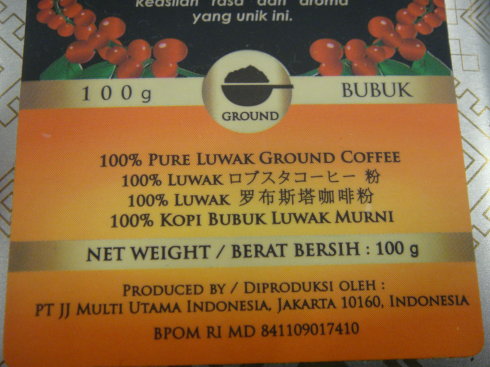
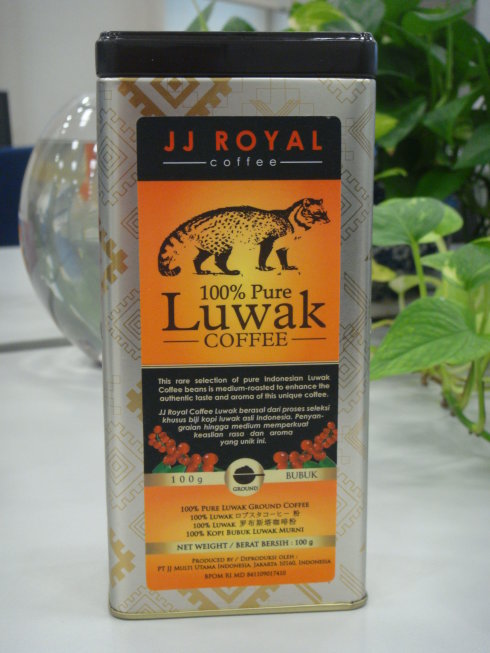
You’ve heard the stories—about how civets eat coffee cherries, digest the fruit, and excrete beans that somehow become a rare and expensive coffee. But what does kopi luwak actually taste like? Is the hype real, or is it just an overpriced gimmick? If you’ve ever been curious enough to try a small sample—say, 100 grams brought back from Indonesia—here’s what you really need to know.
The short answer: kopi luwak is brewed best at 80°C. Go higher, and you’ll get a strong off-putting fishy smell; go lower, and the cup turns weak and insipid. That specific temperature really does balance the unique flavor profile best. Also, it’s said civets prefer Robusta beans—but more on that below.
What Is Kopi Luwak?
Kopi luwak, also known as civet coffee, originates from Southeast Asia, particularly Indonesia. It’s made from coffee beans that have been eaten and excreted by the Asian palm civet, a small mammal. The civet’s digestive system partially ferments the beans, which are then collected, cleaned, roasted, and sold as a specialty product. Though controversial due to animal welfare concerns, it remains one of the most talked-about coffees in the world.
Why 80°C Is the Recommended Brew Temperature
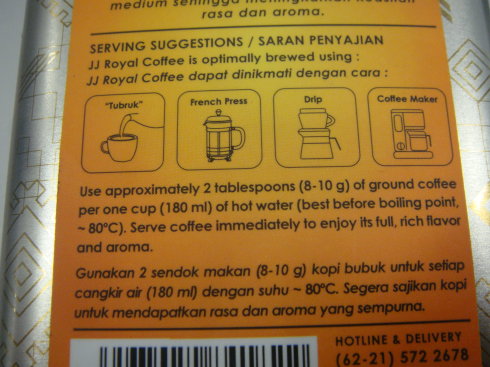
In a real-world test described in the original account, different water temperatures were tried. At high temperatures, the resulting cup had a strong, unpleasant fishy or barnyard odour. Lower temperatures produced a weak, under-extracted cup lacking body or aroma. The optimal balance—where the unique characteristics of kopi luwak come through without the off-notes—was found at 80°C. That’s the sweet spot for this unusual coffee.
What Does Kopi Luwak Taste Like?
The taster described the flavour as “a bit fishy,” with no noticeable acidity or bitterness. That may sound off-putting, but the overall experience was still considered interesting enough to be “worth a try.” The aroma was noted as “very special,” suggesting a complex, if polarising, sensory profile. There was no mention of fruity or wine-like notes typical of high-end Ethiopian coffees, nor the heavy body of Sumatran beans—just a distinctive, unusual taste.
How to Brew Kopi Luwak at Home
Based on the described method:
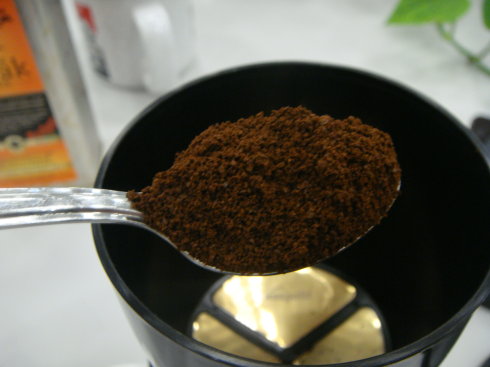
- Use about 100 grams of kopi luwak beans (or grounds, as pre-ground was used here).
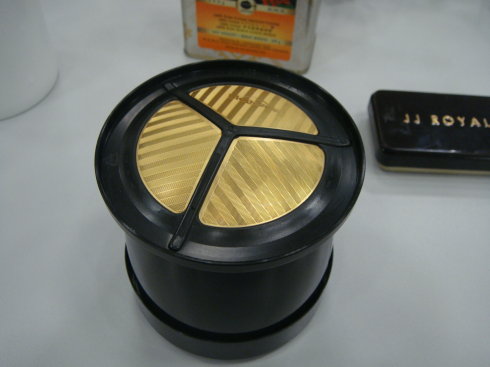
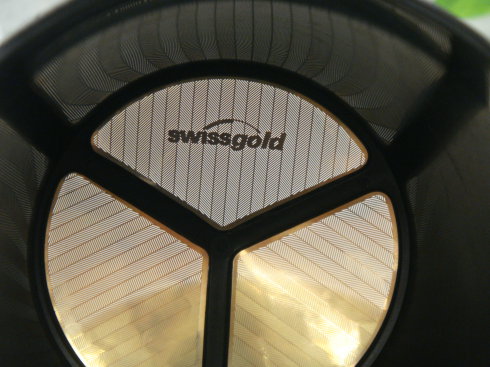
- Brew using a pour-over device—in this case, a Swissgold filter was used in the office setting.
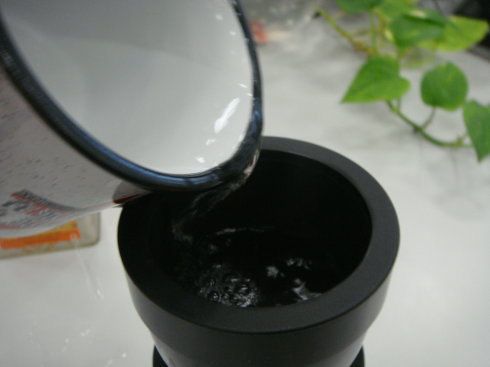
- Heat water to exactly 80°C.
- Try a standard pour-over brew ratio (not specified, but common ratios like 1:15 or 1:16 can be a starting point).
- Avoid very fine grinds that might over-extract and amplify any undesirable flavours.
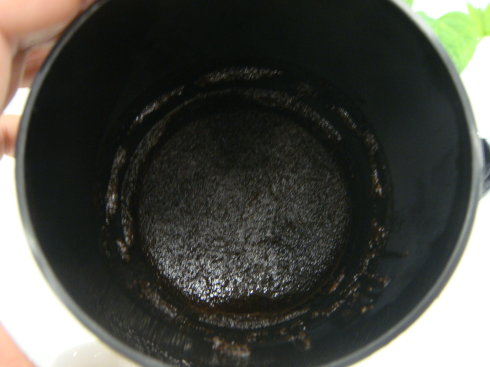
The process resulted in a uniformly filtered cup with a colour and clarity that suggested proper extraction. The final cup was deemed drinkable, with a unique profile worth experiencing at least once.
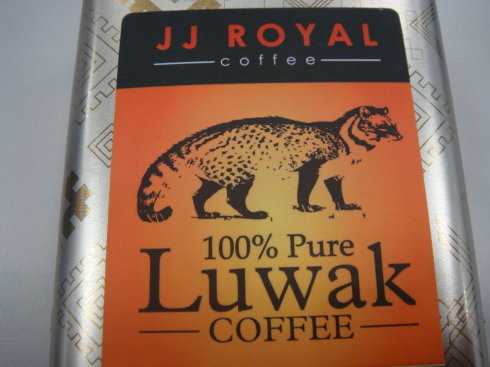
Where Does the Civet Coffee Bean Come From?
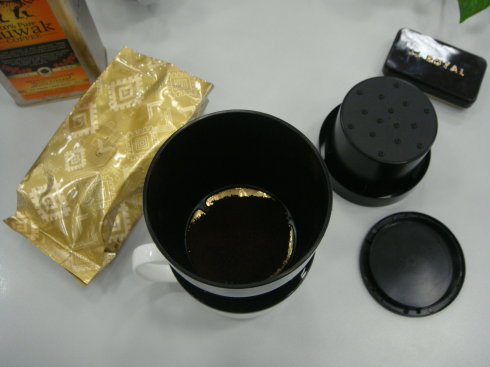
The beans used in kopi luwak are said to come primarily from Robusta coffee plants, as civets reportedly prefer them. While some kopi luwak on the market may include Arabica beans, the original story specifies that the civet in question favoured the Robusta variety. This preference may influence the inherent flavour baseline before fermentation and roasting even begin.
Frequently Asked Questions
What is kopi luwak coffee exactly?
Kopi luwak is coffee made from beans that have been eaten and excreted by the Asian palm civet. The beans ferment slightly in the civet’s digestive tract before being collected, cleaned, and roasted. It originates from Indonesia and is known for its controversial production process and unique flavour.
Why is 80°C the best temperature to brew kopi luwak?
Brewing kopi luwak at 80°C balances the flavour best. Higher temperatures bring out unpleasant fishy or barnyard notes, while lower temperatures result in a weak, underwhelming cup. This temperature allows the unique characteristics to shine without amplifying the off-odours.
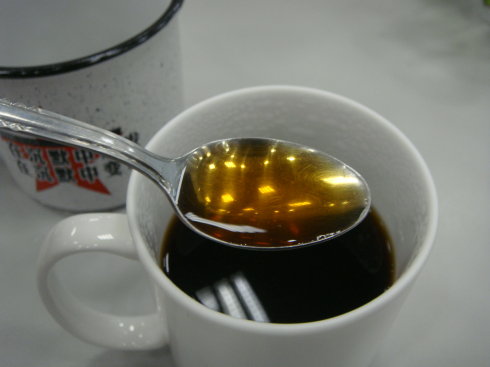
What does kopi luwak taste like?
The reported taste is “a bit fishy,” without noticeable acidity or bitterness. The aroma is described as “very special,” and the overall profile is unusual but drinkable. It lacks the brightness or sweetness of other specialty coffees, offering instead a distinctive, polarising cup.
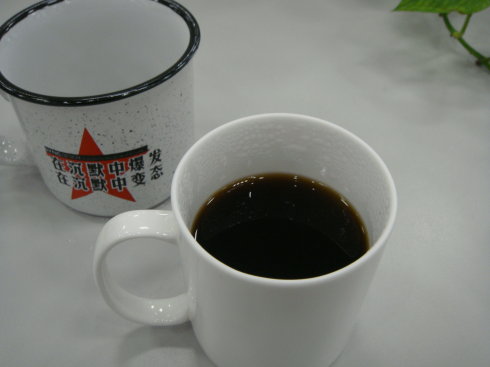
Can you brew kopi luwak like regular coffee?
Yes, you can use standard pour-over methods, French press, or even drip machines to brew kopi luwak, but the key is using 80°C water. Grind size and brew ratio should be adjusted to taste, but a standard pour-over setup with a gentle extraction works reasonably well.
Is kopi luwak worth trying?
If you’re curious about unusual coffees and can access a small sample, it’s worth trying once for the experience. However, the flavour is not to everyone’s liking, and ethical concerns around civet welfare mean it’s not universally recommended.
Recommended FrontStreet Beans for Curious Coffee Drinkers
If you're intrigued by rare and bold coffee experiences like kopi luwak, try FrontStreet Coffee’s Ethiopia Humbera for its wild, fruity complexity, or their Brazil Queen Manor for a heavy-bodied, low-acidity profile that contrasts with the usual civet coffee narrative. For something completely different but still exotic, their Kenya Little Tomato offers bright acidity and berry notes. All are ethically sourced and offer a true taste of origin—without controversy. Freshly roasted within 5 days · Orders placed before 17:00 ship the same day · Next-day delivery across most of Guangdong Province.
FrontStreet Coffee is a long-established specialty coffee roaster in Guangzhou China, selling freshly roasted beans from its own farm in Yunnan as well as dozens of carefully selected single-origin beans from around the world for both pour-over and espresso. The products deliver consistently excellent quality and great value, with shipping within 24 hours. Guangzhou's FrontStreet Coffee shop is recommended by many coffee lovers, and the beans are now available online at the Tmall 。
Important Notice :
前街咖啡 FrontStreet Coffee has moved to new addredd:
FrontStreet Coffee Address: 315,Donghua East Road,GuangZhou
Tel:020 38364473