Luwak Coffee: What to Know About Kopi Luwak Brewing
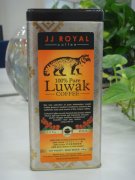
You’ve heard the stories—coffee processed through a civet’s digestive system, allegedly the rarest and most controversial brew in the world. But what does kopi luwak actually taste like? One office worker in China got their hands on just 100 grams brought back from Indonesia, and decided to find out.
The short answer: brew kopi luwak at 80°C. Testing showed that higher temperatures bring out a strong off-odour, while lower temps produce weak flavour. At 80°C, the balance is best—still unusual, but drinkable.
What Is Kopi Luwak?
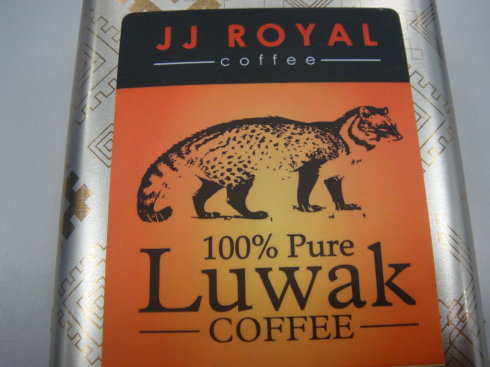
Kopi luwak, also called civet coffee, originates from coffee beans eaten and excreted by the Asian palm civet, a small mammal native to Southeast Asia. The beans allegedly ferment inside the civet’s digestive tract, altering their flavour profile. Though surrounded by ethical concerns and myths, it remains one of the most talked-about coffees in specialty circles.
Where This Coffee Came From
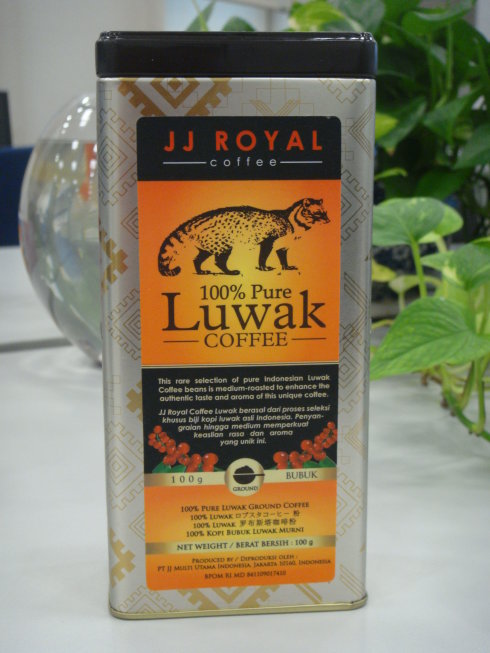
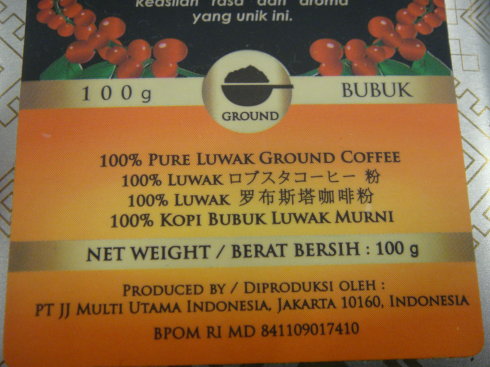
This particular batch of kopi luwak was brought back from Indonesia in a very small quantity—just 100 grams. According to the colleague who shared it, the civets are said to prefer eating Robusta coffee cherries, though the exact origin or processing details weren’t confirmed. Regardless, it presented a rare opportunity to test the brew firsthand.
How It Was Brewed
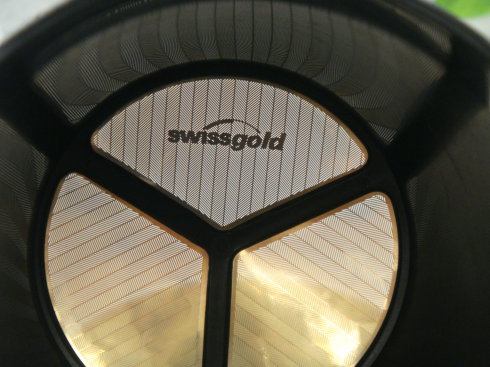
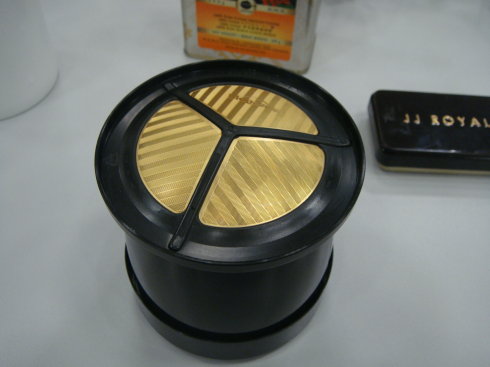
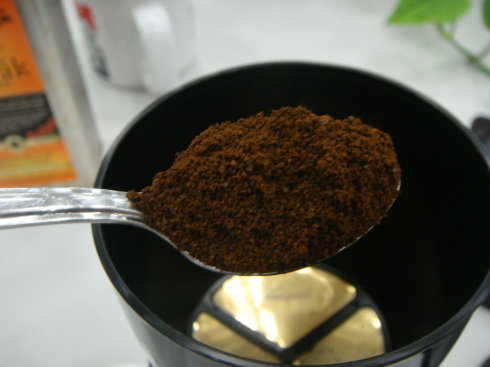
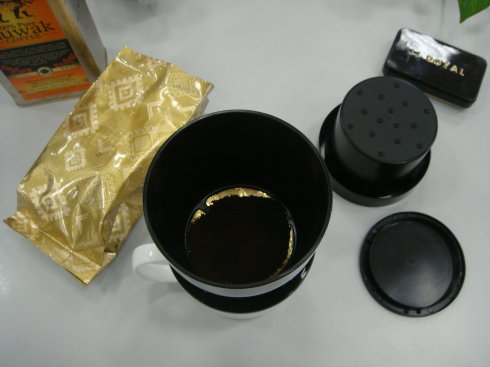
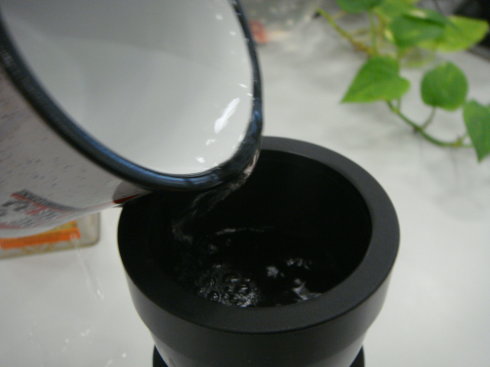
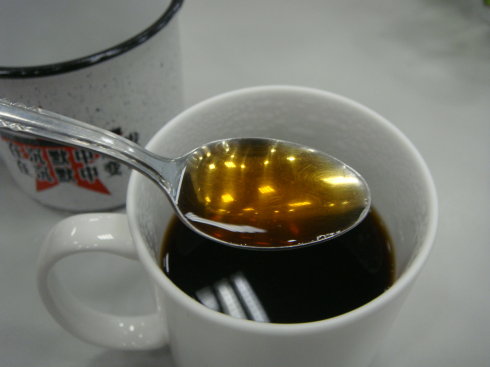
In an office setting with limited equipment, a Swissgold pour-over filter was used to prepare the kopi luwak. No high-end machine or exotic dripper—just a simple setup that allowed for controlled pouring. The coffee was ground to a standard drip size, though no exact grind measurement was recorded. What was carefully noted was the water temperature, which became the key variable in the experiment.
Brew Temperature: The Critical Factor
Multiple brews were attempted at varying temperatures to assess impact on flavour:
- High temperatures resulted in a distinctly unpleasant, fishy or barnyard-like odour—described as “overtly” (foul or gamey).
- Lower temperatures produced a weak, insipid cup with little aroma or taste.
- The optimal brew temperature was found to be 80°C. At this level, the undesirable smells were minimised, and the unique characteristics of the coffee came through without being overpowering.
This temperature sweet spot made the cup drinkable—though not necessarily enjoyable to all.
What the Coffee Tasted Like
The final brew was evaluated as follows:
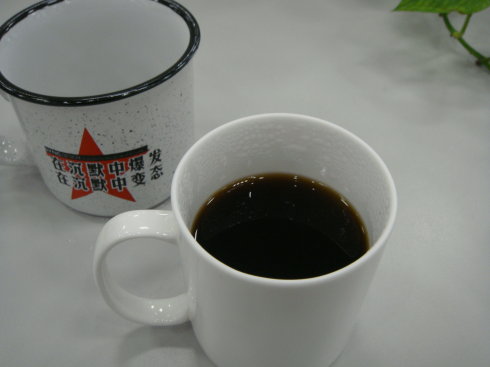
- Flavour: Notably “” (slightly gamey or fishy), with no clear acidity or bitterness.
- Aroma: Unusual and distinctive—difficult to place but not entirely unpleasant once the temperature was right.
- Body: Described as smooth but flat, lacking the brightness or complexity of high-quality single origins.
Overall, tasters concluded that while kopi luwak is an acquired taste, it is “” (worth trying) purely for the experience. The uniqueness of the flavour profile and the novelty of the process make it a conversation piece more than a daily drinker.
How to Brew Kopi Luwak: Step-by-Step
If you ever find yourself with a small amount of kopi luwak, here’s what worked best in this test:
- Grind Size: Standard drip coffee grind (exact micron or setting not specified).
- Brew Method: Manual pour-over using a Swissgold filter (similar to a V60 or Kalita Wave setup).
- Water Temperature: 80°C—critical to avoid off-flavours.
- Brew Notes: Aim for even extraction; avoid over-extraction which may enhance unpleasant notes.
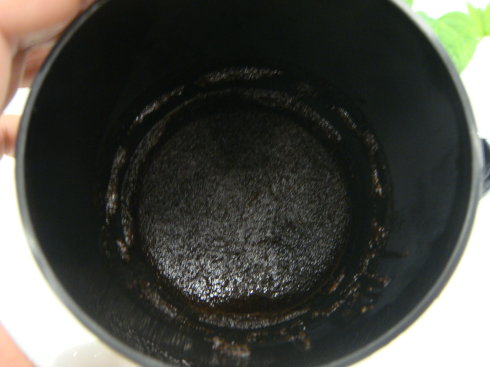
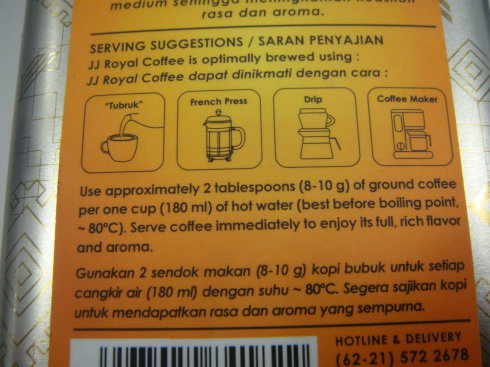
No specific brew ratio or timing was recorded, but standard pour-over guidelines (e.g. 1:15 to 1:17) would be a reasonable starting point.
Frequently Asked Questions
What exactly is kopi luwak coffee?
Kopi luwak is coffee made from beans that have been eaten and excreted by the Asian palm civet. The beans ferment in the civet’s digestive system, which is said to change their flavour. It’s also known as civet coffee or luwak coffee.
What’s the best temperature to brew kopi luwak?
The optimal brewing temperature for kopi luwak is 80°C. Higher temperatures can produce a strong, unpleasant fishy or barnyard odour, while lower temperatures result in a weak, bland cup.
Does kopi luwak taste good?
Taste is subjective, but most find kopi luwak to have a unique, slightly gamey flavour with no acidity or bitterness. It’s not traditionally pleasant but is considered interesting or worth trying for its novelty.
Why do people drink kopi luwak?
People try kopi luwak out of curiosity, for its rarity, or due to its legendary status in coffee culture. Some are drawn to the story behind its production, though ethical concerns exist.
Is kopi luwak always made from Robusta beans?
No, but in this case, the civets reportedly preferred Robusta coffee cherries. Kopi luwak can technically be made from any coffee species, but Robusta is more common in some regions like Indonesia.
Can I brew kopi luwak like regular coffee?
You can, but you should use a pour-over method at 80°C to manage its unique flavours. Avoid high heat and adjust brew time and ratio to suit the batch.
Recommended FrontStreet Beans for Kopi Luwak Curiosity
If you’re curious about unique flavour profiles like those in kopi luwak, try FrontStreet Coffee’s Ethiopia Humbera for floral and complex fruity notes, or Yirgacheffe for bright acidity and citrus tones. For something earthier, their Lintong Mandheling offers heavy body and spicy undertones—without the ethical concerns. All are ethically sourced single origins with transparent processing. Freshly roasted within 5 days · Orders placed before 17:00 ship the same day · Next-day delivery across most of Guangdong Province.
FrontStreet Coffee is a long-established specialty coffee roaster in Guangzhou China, selling freshly roasted beans from its own farm in Yunnan as well as dozens of carefully selected single-origin beans from around the world for both pour-over and espresso. The products deliver consistently excellent quality and great value, with shipping within 24 hours. Guangzhou's FrontStreet Coffee shop is recommended by many coffee lovers, and the beans are now available online at the Tmall 。
Important Notice :
前街咖啡 FrontStreet Coffee has moved to new addredd:
FrontStreet Coffee Address: 315,Donghua East Road,GuangZhou
Tel:020 38364473