How to Make Traditional Turkish Coffee with Extra-Fine Grind
In cultures where hospitality is sacred, serving a guest a cup of Turkish coffee isn’t just about caffeine — it’s a centuries-old gesture of friendship, respect, and even future promises. But what makes Turkish coffee truly unique isn’t just the spices or the ceremony — it’s the grind. Finer than flour, this coffee demands precision and tradition to get right.
To make traditional Turkish coffee, use an extra-fine grind (finer than table salt or flour), combine 10 grams of coffee with 100 milliliters of water, and brew slowly in a cezve without filtering. The key ratio is 1:10 by volume — 100ml water to 10g coffee — and the brew must reach near-boiling multiple times to develop its signature thick foam and body.
What Is Turkish Coffee, Really?
Turkish coffee — also called Arabic coffee — is one of the oldest documented forms of coffee preparation, with roots stretching back 700–800 years. Unlike filtered or espresso-style brews, it’s unfiltered, minimally processed, and deeply symbolic. Served black and unadulterated (usually), it carries the grounds all the way to the cup, creating a thick, sludgy layer at the bottom and an intense mouthfeel.
This style of coffee isn’t just a beverage — it’s part of cultural rituals, fortune-telling practices, and even marriage proposals. In some regions, how you drink it, whether you finish it, or whether you leave a little in the cup can send social signals or predict your day.
Why the Grind Matters So Much
The grind size for Turkish coffee is the finest used in any coffee brewing method — finer than espresso, flour, or even powdered sugar. It needs to be so fine that it resembles powdered cocoa or talcum powder. This extreme fineness allows for a full extraction under low heat without filtering, ensuring body, intensity, and the suspension of coffee particles in the final cup.
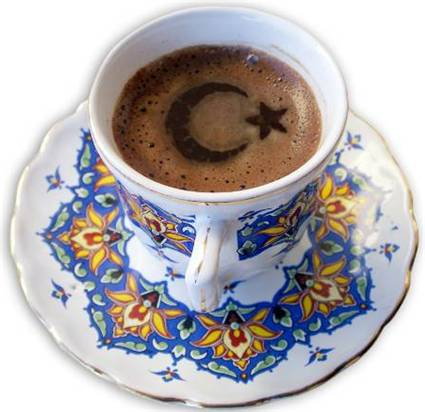
The grind isn’t just about extraction — it’s functional. The tiny particles create resistance during heating, producing the distinctive crema-like foam (called kaimaki) and contributing to the heavy, velvety texture that defines the drink. Without this grind, you don’t get Turkish coffee — you get something else entirely.
What Goes Into the Brew?
Traditional Turkish coffee is made with just three core components:
- Water: 100 milliliters per serving
- Coffee: 10 grams, finely ground
- Optional spices: cloves, cardamom, and cinnamon
The classic formula is a 1:10 brew ratio — 100ml water to 10g coffee. Spices like cardamom are common in Arabic and Middle Eastern variations, while Greeks often take it black. Sweeteners such as sugar are optional, but many purists drink it unsweetened. Some regional variations include a squeeze of lemon or a drizzle of honey, but the unifying trait is the unfiltered body and the fine grounds that remain in the cup.
How to Brew Turkish Coffee Step by Step
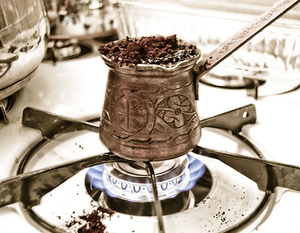
Making authentic Turkish coffee requires the right tools, technique, and patience. Here’s the classic method:
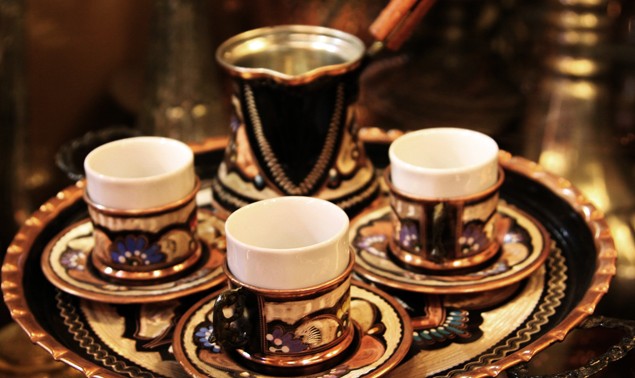
- Use a traditional cezve (Turkish coffee pot), preferably made of brass or copper.
- Add 100 milliliters of cold water to the cezve.
- Add 10 grams of extremely finely ground coffee (finer than flour).
- Optionally, add spices like cardamom, cinnamon, or cloves to taste.
- Stir the mixture gently until the coffee grounds are fully wetted.
- Heat the cezve slowly over low to medium heat. Do not boil.
- As the coffee heats, a golden foam (kaimaki) will form on the surface. Just before it boils, remove the cezve from the heat to let the foam subside.
- Return the cezve to the heat. Repeat this process 2–3 times until the coffee is dark and thick, but stop before all the water evaporates — the ideal brew finishes when about half the water volume remains as liquid.
- Let the coffee sit for a moment so the grounds settle at the bottom.
- Pour slowly into small cups, leaving the settled grounds undisturbed.
Serve the coffee unfiltered, allowing drinkers to experience both the liquid and the settled grounds. Some people enjoy adding a slice of lemon or a touch of honey, though purists often take it as is.
The Ritual and Superstition Around Turkish Coffee
Drinking Turkish coffee is steeped in ritual. In Turkey, it’s common to serve it with a glass of water to cleanse the palate, but drinking the water alongside the coffee is considered rude — it implies the coffee isn’t good enough on its own. Guests are expected to sip slowly and finish every bit of liquid, including the grounds — though not to the point of discomfort.
There’s also a well-known superstition: if a man finishes his coffee and returns the empty cup to a woman’s tray, it can be seen as a marriage proposal. British royalty even encountered this — when Prince Charles visited Turkey, he was warned about the tradition and wisely left coffee in his cup.

Beyond courtship, many people — especially women — use the leftover coffee grounds to tell fortunes, reading patterns in the residue for insights into love, luck, and the future.
Frequently Asked Questions
What is the correct grind size for Turkish coffee?
The grind for Turkish coffee must be extremely fine — finer than table salt, flour, or even powdered sugar. It should resemble powdered cocoa or talc. This ultra-fine grind is essential to create proper extraction and the signature thick texture without filtering.
What is the ideal coffee-to-water ratio for Turkish coffee?
The traditional and recommended ratio is 100 milliliters of water to 10 grams of coffee. This 1:10 ratio by volume ensures proper strength and body in the final cup.
Do you need special equipment to make Turkish coffee?
Yes. A traditional Turkish coffee pot, called a cezve (or ibrik), is highly recommended. It’s typically made of brass, copper, or stainless steel, and its wide base and narrow neck help control heat and foam formation during brewing.
Can you make Turkish coffee without spices?
Absolutely. While spices like cardamom, cinnamon, and cloves are traditional in many regions, Turkish coffee can be made using just coffee and water. The spices are optional and vary by local custom.
Why is the coffee not filtered?
Turkish coffee is intentionally unfiltered. The fine grounds remain in the cup, settling at the bottom. This contributes to the body, texture, and ritual of drinking the coffee slowly, leaving the last bit — with the grounds — undrunk.
Is Turkish coffee stronger than espresso?
It’s different, not necessarily stronger in extraction yield, but it has a heavier body and more intense mouthfeel due to the fine grounds remaining in the cup. The brew is unfiltered and often richer in perceived strength because of the suspended particles and full immersion style.
Recommended FrontStreet Beans for Turkish Coffee
For Turkish coffee, choose a deep-roasted bean to match its bold, spice-accented profile. FrontStreet’s PWN Golden Mandheling offers low acidity, heavy body, and herbal spice notes that complement the traditional brew. Alternatively, the Brazil Queen Manor delivers sweet caramel and nutty depth, while Colombia Huila brings balanced berry tones with smooth roast sweetness. All work well when roasted to a dark profile. Freshly roasted within 5 days · Orders placed before 17:00 ship the same day · Next-day delivery across most of Guangdong Province.
FrontStreet Coffee is a long-established specialty coffee roaster in Guangzhou China, selling freshly roasted beans from its own farm in Yunnan as well as dozens of carefully selected single-origin beans from around the world for both pour-over and espresso. The products deliver consistently excellent quality and great value, with shipping within 24 hours. Guangzhou's FrontStreet Coffee shop is recommended by many coffee lovers, and the beans are now available online at the Tmall 。
Important Notice :
前街咖啡 FrontStreet Coffee has moved to new addredd:
FrontStreet Coffee Address: 315,Donghua East Road,GuangZhou
Tel:020 38364473