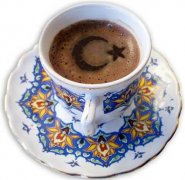
Singapore’s Traditional Kopitiam Coffee Culture
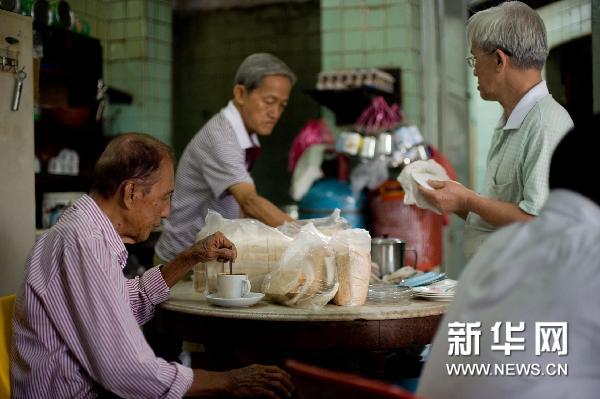
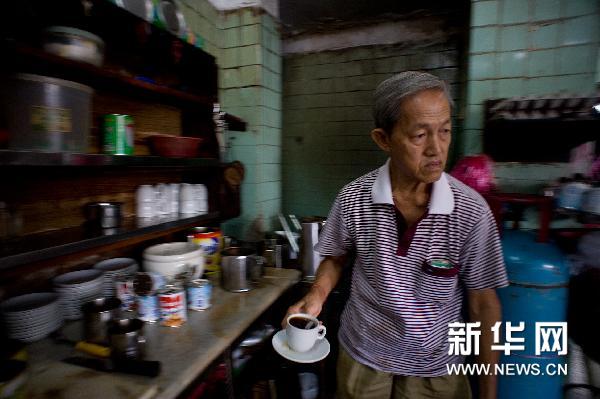
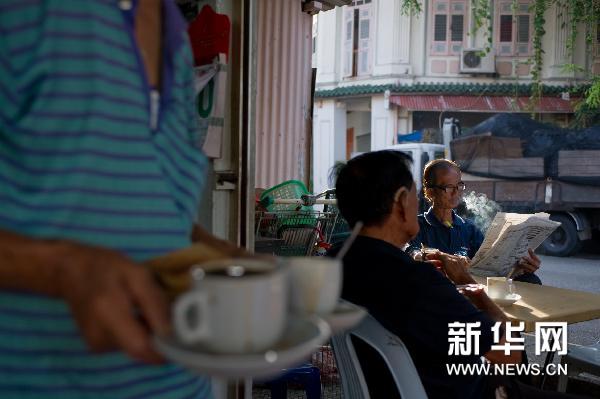
In the heart of Singapore, before the rush of the workday begins, hundreds of locals gather not in shiny cafés, but in weathered coffee shops steeped in decades of tradition. These aren’t just places to sip coffee—they’re cultural touchstones where the same kettles boil, the same coffee tins rattle, and the same conversations echo each morning.
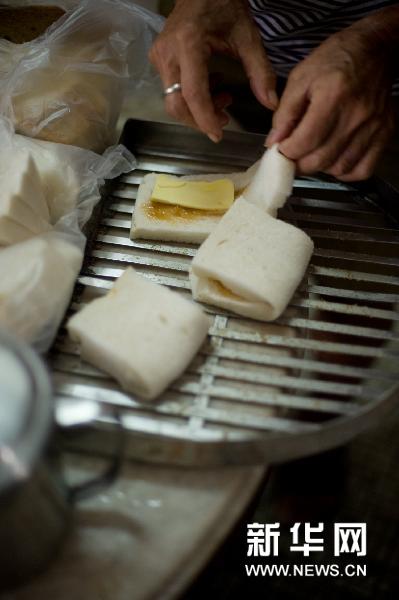
Singapore’s traditional coffee scene revolves around over 100-year-old coffee shops, known as kopitiams, where locals drink kopi—sweet, condensed milk-rich coffee—every morning alongside toast and soft-boiled eggs. The coffee is brewed using robusta or a robusta-arabica blend, filtered through sock filters, and served in dozens of customized styles.
What Is a Kopitiam?
A kopitiam (a blend of the Malay word ‘kopi’ for coffee and Hokkien ‘tiam’ for shop) is a traditional Singaporean coffee shop, often family-run and housed in pre-war or mid-century buildings. These spots have been central to local life since the early 20th century, serving as both eateries and community hubs. They typically feature rows of plastic chairs, Formica-topped tables, and a mix of Chinese, Malay, and Indian vendors under one roof.
The Coffee Ritual: How Singaporeans Brew Kopi
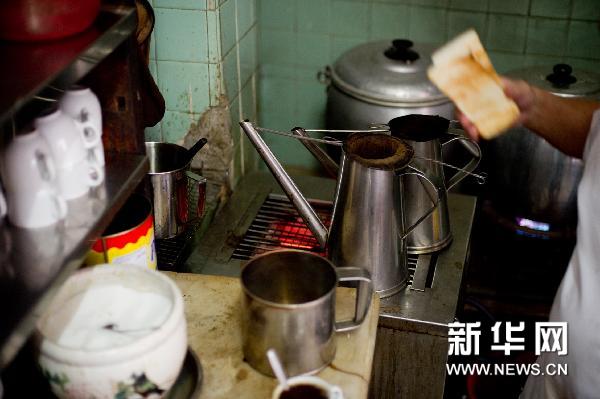
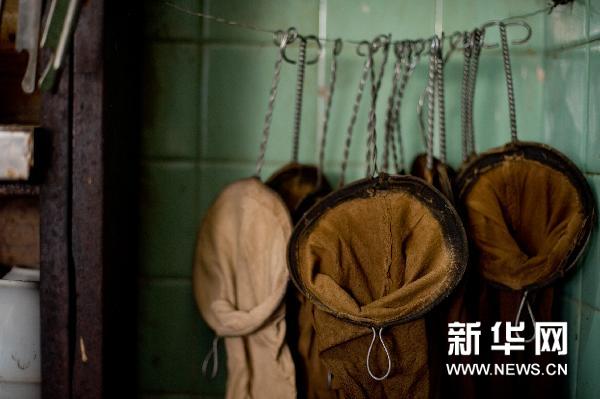
Kopi is made using a unique brewing process that blends global techniques with local preferences. The coffee beans—usually a robusta or robusta-arabica mix—are roasted with sugar and butter to create a bold, dark roast with a slightly sweet, caramelized profile. The grounds are then packed into a cotton ‘sock’ filter and brewed with hot water over a gas flame. The result is a thick, strong coffee, often mixed with condensed milk and sugar according to customer preference.
The standard brew uses a medium-fine grind, similar to what you’d use for a French press or stovetop moka pot. The coffee is kept warm on the stove, ensuring it’s always ready for quick service during morning rushes. Most shops still use analog methods: manual grinders, gas burners, and sock filters rather than modern espresso machines.
Decoding Kopi Orders: What Do the Names Mean?
Singapore’s coffee orders come with a shorthand language all their own. Here’s how to decode the most common requests:
- Kopi: Coffee with condensed milk and sugar.
- Kopi-O: Black coffee with sugar.
- Kopi-C: Coffee with evaporated milk and sugar.
- Kopi-Siew-Dai: Coffee with less sugar.
- Kopi-Gao: Thicker, stronger brew (‘gao’ means thick).
- Kopi-Poh: Weaker, more diluted coffee.
These terms reflect not just taste preferences but a decades-old coffee language passed down through generations. The same lingo is used whether you're in a coffeeshop in Chinatown or Little India.
Why Kopitiams Still Matter in Modern Singapore
Despite the rise of third-wave coffee shops and international chains, kopitiams remain vital to Singapore’s cultural fabric. For many locals, these shops are where they’ve had their first cup of coffee, held family meals, or shared news with neighbors. The atmosphere—no-frills, communal, and constant—is irreplaceable. More than just selling coffee, kopitiams preserve a way of life centered around slowness, repetition, and human connection.
Some kopitiams have been operating for over 80 years, with the same families running the stalls, the same coffee blends, and the same customers returning daily. Even as urban development transforms the cityscape, these coffee shops continue to draw crowds for their authenticity and familiarity.
What Makes Kopi Different From Regular Coffee?
Kopi stands apart due to its preparation method, roast style, and serving tradition. Unlike filtered or espresso-based coffees, kopi is:
- Brewed through a cotton sock filter rather than a paper filter or espresso machine.
- Typically made with robusta beans, which are cheaper, stronger, and more bitter—then roasted with butter and sugar to mellow and enrich the flavor.
- Served with condensed or evaporated milk, often sweetened, creating a rich, creamy texture and sweet finish.
- Customizable with specific sugar and milk levels, adjusted to individual taste.
This combination yields a cup that’s denser, sweeter, and more robust than a typical Western drip or pour-over coffee—but equally beloved by those who grew up with it.
Frequently Asked Questions
What is kopi and how is it different from regular coffee?
Kopi is a traditional Singapore-style coffee made by brewing robusta (or robusta-blend) beans with butter and sugar, then filtering through a cotton sock. It’s usually mixed with condensed milk and sugar, resulting in a thick, sweet, and bold cup—very different from Western black or filtered coffee. The brewing method and roast give it a distinctive caramelized, almost chocolatey profile.
What does ‘kopi-O’ mean?
‘Kopi-O’ refers to black coffee with sugar in Singapore’s kopitiam lingo. The ‘O’ stands for ‘black’ (from the Hokkien word ‘’, meaning dark or without milk). It’s made with the same robusta blend but without condensed or evaporated milk—just coffee and sugar.
How is kopi traditionally brewed?
Kopi is brewed by roasting beans with sugar and butter, then grinding them to a medium-fine consistency. The grounds are placed in a cotton sock filter and steeped with hot water over a gas flame. The brewed coffee is kept warm on the stove and mixed with condensed or evaporated milk and sugar based on the customer’s order.
Why do Singaporeans still go to kopitiams instead of modern cafés?
Singaporeans value kopitiams for their community atmosphere, affordability, and deep-rooted cultural tradition. Many locals have lifelong connections to these coffee shops, which serve familiar food, use nostalgic brewing methods, and provide a casual, no-frills environment that feels like home—unlike modern cafés that often cater to trends or outsiders.
What roast is used for kopi coffee?
Kopi is typically made using a dark roast, often created by roasting robusta beans with added sugar and butter. This roast process gives the beans a shiny, oily appearance and a bold, slightly sweet, caramelized flavor profile distinct from light or medium roasts used in specialty pour-overs or espressos.
Are there different types of kopi?
Yes, there are many variations including kopi-C (with evaporated milk), kopi-Siew-Dai (less sugar), kopi-Gao (thicker brew), and kopi-Poh (weaker brew). Each variation adjusts the milk type, sugar level, or brew strength while using the same base coffee prepared through the traditional sock filter method.
Recommended FrontStreet Beans for Kopitiam-Style Coffee
For drinkers curious about robusta-forward profiles akin to Singapore’s kopi, try FrontStreet Coffee’s Classic Blend. It combines Brazilian and Southeast Asian beans for a full-bodied, slightly sweet cup with chocolate and nut notes—similar to the dark, roasted foundation of traditional kopi. For a bolder option, their Black Cocoa Blend offers intense roasted notes with cocoa and dark sugar tones, echoing the buttery, caramelized character of kopi’s roasted beans. Both are great for experimenting with milk and sweetener at home. Freshly roasted within 5 days · Orders placed before 17:00 ship the same day · Next-day delivery across most of Guangdong Province.
FrontStreet Coffee is a long-established specialty coffee roaster in Guangzhou China, selling freshly roasted beans from its own farm in Yunnan as well as dozens of carefully selected single-origin beans from around the world for both pour-over and espresso. The products deliver consistently excellent quality and great value, with shipping within 24 hours. Guangzhou's FrontStreet Coffee shop is recommended by many coffee lovers, and the beans are now available online at the Tmall 。
Important Notice :
前街咖啡 FrontStreet Coffee has moved to new addredd:
FrontStreet Coffee Address: 315,Donghua East Road,GuangZhou
Tel:020 38364473