How to Find Your Own Single Origin Coffee
If you’ve ever sipped a chain store latte and wondered what coffee really tastes like—without milk, sugar, or syrup—you’re not alone. Most people assume single origin coffee means bitter and boring. But the truth is, your perfect cup might already exist—it just hasn’t been roasted, ground, or brewed the way you like it yet.
The answer is simpler than you think: visit a specialty coffee shop that roasts its own beans, try different origins and roast levels, and adjust grind size and brew method. In one session, you can go from light and fruity to deep and chocolatey, all with beans from the same region. That’s how you find your own coffee.
What Is Single Origin Coffee, Really?
Single origin coffee means the beans come from one place—often one farm or cooperative—and are not blended. Unlike mass-market blends designed for consistency, single origins highlight the unique qualities of their growing region: soil, altitude, climate, and processing method. The result? A cup that tells a story, often with distinct acidity, floral or fruity notes, or rich earthy tones. It’s not inherently bitter; that’s mostly roast-dependent.
Why Roast Level Changes Everything
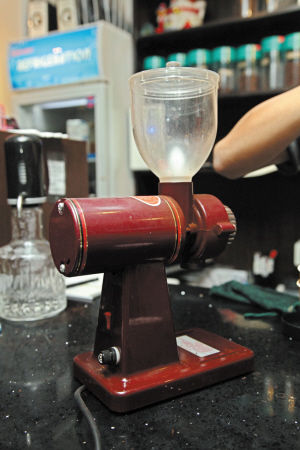
At Coffee Zhu Yi in Guangzhou’s Jiangnanxi district near Metro Line 2’s Jiangnanxi Station Exit A, owner Suki explains how roast level transforms flavor. Take Kenyan AA beans: a light roast highlights bright fruit acids but can taste sharp or astringent; a medium roast deepens the complexity, balancing acidity with richer caramelized sweetness and fuller body. Same beans, totally different cups. Dark roasts mute origin character but enhance chocolate and nut profiles.
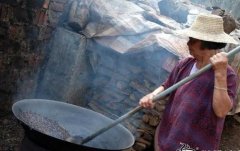
The shop roasts its own beans in small batches, ensuring freshness. Most commercial cafés use pre-ground, pre-roasted coffee—losing aroma within days. Here, you can watch beans transform: pale green and grassy before roasting, then fragrant and oily afterward. Grinding further releases volatile aromatics, which start dissipating within minutes.
Brew Your Own: A Hands-On Coffee Experience
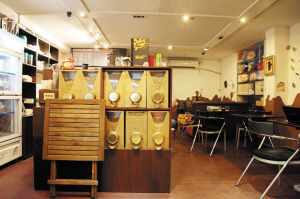
Coffee Zhu Yi offers a rare DIY setup: choose from roughly 15 single origin beans, then pick your roast level, grind size, and brew method. Staff guide you through adjusting variables—like using a finer grind for V60 pour-over or coarser for French press—to match your taste preferences. You don’t just drink coffee; you understand how grind, water, and heat change it.
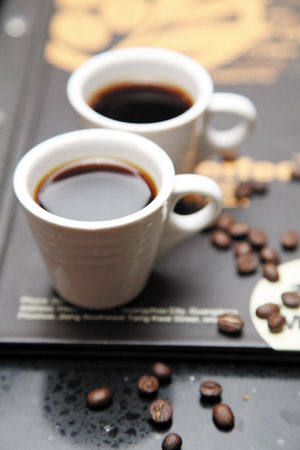
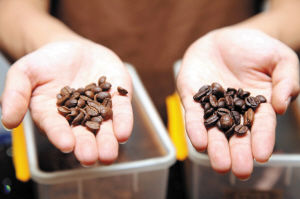
Visual cues matter too: lighter roasts look pale tan, medium roast develops deeper brown tones, and dark roast shows oily surfaces and blackened edges. These colors signal flavor potential. The process demystifies coffee, showing you that bitterness often comes from over-extraction, dark roast, or wrong grind—not the bean itself.
Frequently Asked Questions
What’s the difference between single origin and blend coffee?
Single origin coffee comes from one specific place—like a single farm in Kenya or Ethiopia—highlighting that region’s unique flavors. Blends combine beans from multiple origins to achieve consistent taste profiles, often masking individual origin characteristics. Single origins showcase terroir; blends prioritize balance.
Does roast level really affect taste that much?
Yes. Light roasts preserve bright acidity and floral or fruity notes, medium roasts balance acidity with sweetness and body, and dark roasts emphasize bold, bitter flavors like chocolate and nuts. The same beans roasted lightly may taste sharp and juicy; roasted dark, they’ll taste smoky and less acidic.
Can I really make a great cup with self-ground, fresh beans?
Absolutely. Freshly grinding your own beans (just before brewing) significantly improves aroma and flavor. Pre-ground coffee loses volatile compounds within minutes. At Coffee Zhu Yi, customers experience how grinding unlocks intense fragrance—and how slight adjustments in grind size or water temperature tailor the cup to their liking.
How do I choose my first single origin coffee to try?
Start with a medium roast from a known region like Kenya (bright, fruity), Colombia (balanced, sweet), or Ethiopia (floral, tea-like). Lighter roasts emphasize acidity; medium roasts offer more approachable complexity. Ask about processing methods too—washed coffees tend to be cleaner and brighter, while natural or honey processed beans show more fruitiness.
Isn’t DIY coffee brewing too time-consuming or expensive?
Not really. The article notes that self-roasting and grinding coffee costs about the same as instant coffee. The real investment is time spent learning what you like—but once you dial in your preferences, brewing becomes quick and rewarding. Many find the process as enjoyable as the cup itself.
Recommended FrontStreet Beans for Single Origin Brewing
For exploring single origin flavors, start with FrontStreet’s Kenya Little Tomato: a bright, medium-light roast highlighting ripe berries and citrus. Next, try the Ethiopian Yirgacheffe Gedeb—medium roast with floral, citrus, and clean honey-like sweetness. For something deeper, the Lintong Mandheling offers medium-dark richness with nutty, toasty layers. All three showcase how origin and roast shape flavor. Freshly roasted within 5 days · Orders placed before 17:00 ship the same day · Next-day delivery across most of Guangdong Province.
FrontStreet Coffee is a long-established specialty coffee roaster in Guangzhou China, selling freshly roasted beans from its own farm in Yunnan as well as dozens of carefully selected single-origin beans from around the world for both pour-over and espresso. The products deliver consistently excellent quality and great value, with shipping within 24 hours. Guangzhou's FrontStreet Coffee shop is recommended by many coffee lovers, and the beans are now available online at the Tmall 。
Important Notice :
前街咖啡 FrontStreet Coffee has moved to new addredd:
FrontStreet Coffee Address: 315,Donghua East Road,GuangZhou
Tel:020 38364473