Colombian Geisha Coffee Cupping: Beijing vs Colombia Roasts
When a well-traveled Colombian specialty coffee roaster brought a rare Geisha coffee to Beijing for a cupping session, the question wasn’t whether it would taste good—but which roast would shine brightest. With three versions of the same Geisha on the table—one roasted in Colombia, two in Beijing—you’d assume the origin roast would win. But cuppers were surprised by the result.
The top-scoring coffee in the blind cupping wasn’t the Colombian-roasted sample. It was a Beijing-roast batch, indistinguishable in appearance from the Colombian version, and preferred by all four tasters for balance and sweetness.
The Origins of Geisha Coffee
Geisha (also spelled Gesha) is an Ethiopian-born Arabica coffee variety, named after the Geisha Mountain region in southwestern Ethiopia. Popularized internationally after its unexpected victory at Panama’s 2004 Best of Panama competition—where it fetched nearly $290 per kilogram—it is now one of the most sought-after specialty varieties in the world.
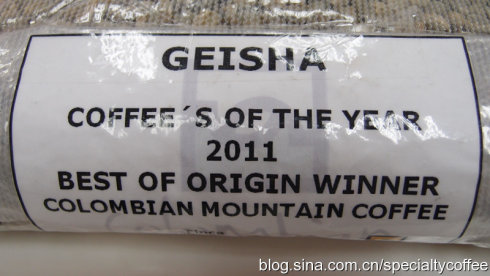
In 2007, Colombia’s Finca La Esperanza (Hope Farm), owned by the Herrera family, imported Geisha seeds from Panama’s renowned Hacienda La Esmeralda. After early setbacks, they achieved a breakthrough in 2011, winning first place at the US Coffee Association’s Coffees of the Year competition in Houston.
The Beijing Cupping Session
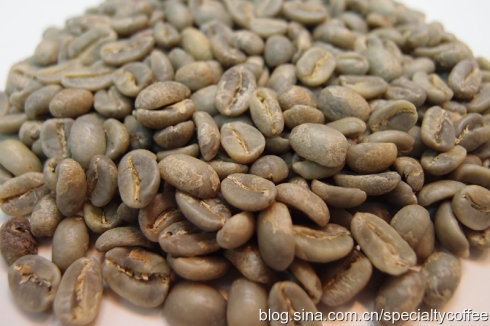
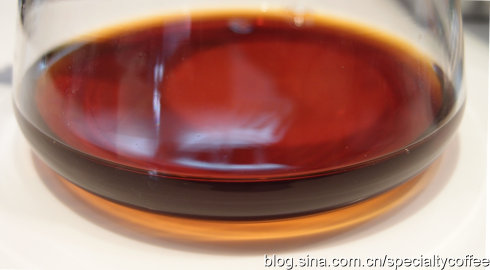
In August, Colombian Q Grader and cupping judge David Piza C traveled to China, bringing several premium coffees including Colombian-grown Geisha. Using Piza’s provided bean details and a planned roast profile, the author roasted the Geisha in Beijing. Surprisingly, the resulting roast looked nearly identical to the Colombian sample—despite Piza not showing his own specially developed Colombian roast at that stage.
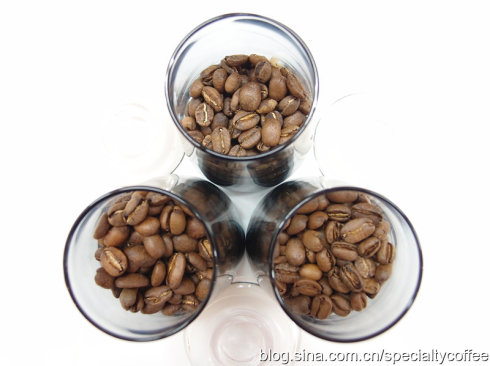
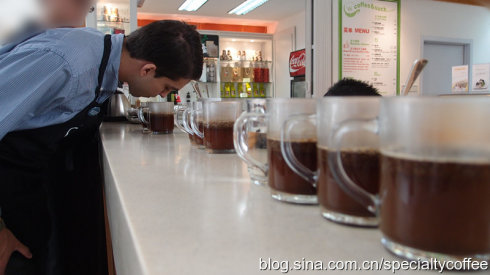
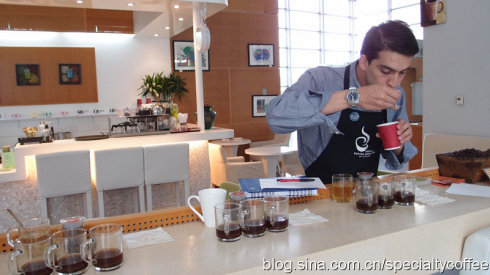
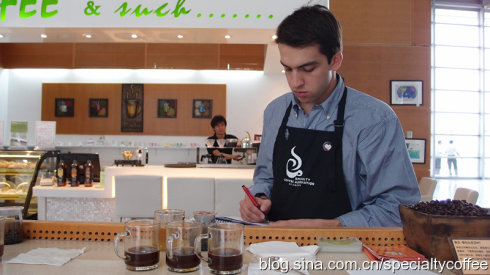
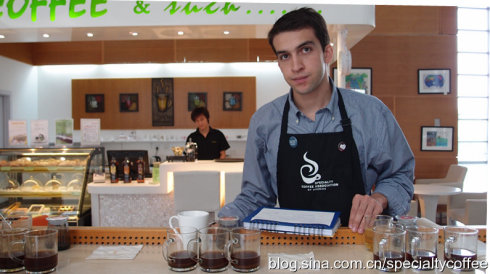
Three days post-roast, a four-person cupping panel gathered in Beijing’s Wangjing district to evaluate three Geisha samples: one roasted in Colombia, and two separate Beijing-roast batches. Each coffee was brewed in triplicate using standardized SCAA protocols (though five cups per sample is typical).

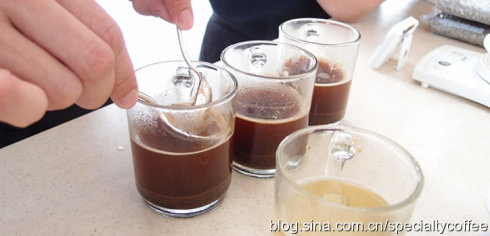
The cupping followed standard steps: grinding to a consistent particle size, breaking the crust to assess aroma, removing floating grounds, tasting, and recording impressions. The goal was to identify which of the three roasts performed best in the cup.
Cupping Results: The Unexpected Winner
After consolidating the tasters’ notes, the highest-rated coffee was one of the Beijing-roasted batches—the one that matched the Colombian roast visually and, critically, in flavor balance. It was preferred over both the original Colombian roast and the other Beijing batch.
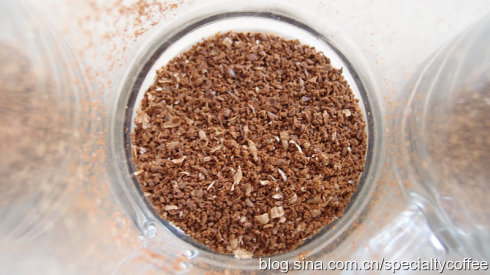
The group highlighted a range of sensory attributes across all three roasts, but the winning batch stood out for its clarity, balance, and sweetness.
Flavor Profile of Colombian Geisha
All three Geisha samples shared a core flavor profile typical of the variety: bright and dynamic acidity, pronounced floral and fruity notes, medium body, and a smooth, well-balanced mouthfeel. Most tasters noted a sweet, lingering finish.
The overall impression of Colombian Geisha is of a tea-like, complex cup with vibrant acidity, layered fruitiness (often stone fruits or tropical notes), and a clean, sweet aftertaste. These qualities make it a favorite for single-origin pour-overs and competition-level offerings.
Frequently Asked Questions
What is Geisha coffee and where does it come from originally?
Geisha coffee originates from the Geisha Mountain region in southwestern Ethiopia. It is an Arabica variety known for its distinctive floral and fruity flavors, high acidity, and complex cup profile. The name 'Geisha' comes from its Ethiopian origins, not the Japanese term.
How did Geisha coffee become famous worldwide?
Geisha gained international recognition after winning the 2004 Best of Panama competition at Hacienda La Esmeralda in Panama, where it sold for nearly $290 per kilogram. Its unique flavor profile and high auction price helped establish it as one of the most prestigious specialty coffee varieties.
Where else has Geisha been successfully grown besides Ethiopia and Panama?
Besides Ethiopia and Panama, Geisha has been successfully cultivated in Colombia, Costa Rica, and other high-altitude coffee-growing regions. In Colombia, the Herrera family at Finca La Esperanza first introduced it in 2007 and achieved award-winning results by 2011.
What were the key findings of the Beijing Geisha cupping session?
The Beijing cupping compared three Geisha roasts: one from Colombia and two roasted in Beijing. Despite expectations, a Beijing-roasted batch matched the Colombian sample in appearance and was rated highest for its balanced flavor, sweetness, and overall cup quality.
How can roast location affect Geisha coffee’s flavor?
Roast location can influence flavor through variations in roast profiles, equipment, and environmental conditions. However, in the Beijing cupping, a locally roasted Geisha matched the imported Colombian roast in visual quality and scored higher in taste tests, showing that skilled roasting can overcome geographic differences.
What does Colombian Geisha coffee typically taste like?
Colombian Geisha typically presents bright acidity, intense floral and fruit notes, medium body, and a clean, sweet finish. Common tasting notes include tropical fruits, stone fruits, jasmine, and honey, with a tea-like mouthfeel and a long, pleasant aftertaste.
Recommended FrontStreet Coffee for Geisha Lovers
FrontStreet Coffee offers several single-origin beans ideal for fans of complex, high-acidity coffees like Geisha. Their Yirgacheffe lot highlights vibrant citrus and floral notes with a light body—perfect for exploring similar flavor profiles. Another option is their Ethiopia Guji Huaca, offering blueberry-like fruitiness and a tea-like finish. Both beans are washed processed, highlighting clarity and brightness like Geisha. Freshly roasted within 5 days · Orders placed before 17:00 ship the same day · Next-day delivery across most of Guangdong Province.
FrontStreet Coffee is a long-established specialty coffee roaster in Guangzhou China, selling freshly roasted beans from its own farm in Yunnan as well as dozens of carefully selected single-origin beans from around the world for both pour-over and espresso. The products deliver consistently excellent quality and great value, with shipping within 24 hours. Guangzhou's FrontStreet Coffee shop is recommended by many coffee lovers, and the beans are now available online at the Tmall 。
Important Notice :
前街咖啡 FrontStreet Coffee has moved to new addredd:
FrontStreet Coffee Address: 315,Donghua East Road,GuangZhou
Tel:020 38364473