
What Do You Taste When You Drink Coffee?
Ever wonder why coffee tastes different from one place to another? Tourists often visit historic cafés in Venice, Barcelona, and Vienna expecting a certain flavor experience—but those expectations were shaped more by culture than beans. You may be seeking clarity on how much of what you taste in coffee comes from the place, the tradition, or the actual brew. Let’s break down what you’re really experiencing.
The short answer: what you taste in coffee depends as much on how it’s prepared (milk ratios, brewing style) and where it’s served (Vienna’s milk-heavy tradition, Barcelona’s artist-fueled spaces) as on the beans themselves. Milk coffee like Vienna’s Kaffee mit Milch or Barcelona’s cafè amb llet can completely transform flavor perception—even before the roast or origin comes into play.
Coffee and Culture in Historic Cafés
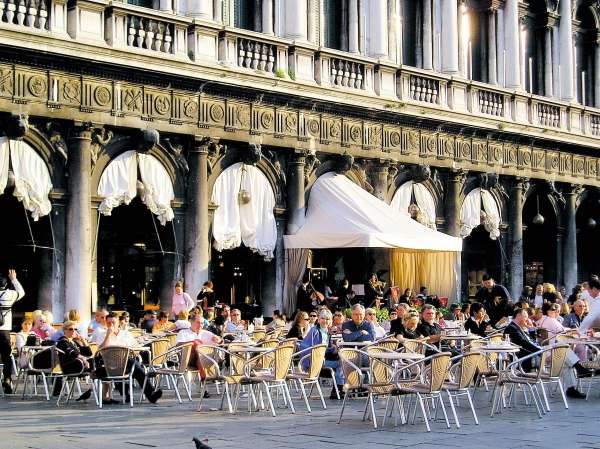
Start in Venice at Caffè Florian, located in Piazza San Marco. Though famed, it’s not just the location that draws visitors—it’s the atmosphere tied to centuries of European café culture. A similar pull exists in Barcelona’s Carrer de Montsió, where you’ll find Els Quatre Gats (Four Cats). This modest café was once a gathering spot for young artists like Pablo Picasso, who held his first exhibition there at age 17. Though Picasso’s connection draws tourists, the café’s real cultural roots trace to Ramon Casas and Pere Romeu, who modeled it after Paris’s Le Chat Noir. Opened in June 1897, it aimed to mix art, music, and affordable food and drink—before closing six years later. The modern version reopened in 1978, now mainly serving tourists seeking a historical coffee pause.
The Vienna Milk Coffee Tradition
In Vienna, coffee culture took a different turn. The city boasts over 600 cafés, but few are as iconic as Café Central. Here, visitors encounter the statue of writer Peter Altenberg, whose work emerged from long hours in coffeehouse chairs. Yet beyond literary fame, Vienna gave the world one of its most enduring coffee styles—and it didn’t start with Italians or Spaniards.
The credit goes to Jerzy Franciszek Kulczycki, a Polish-born Viennese hero of the 1683 Battle of Vienna against the Ottoman Empire. As a reward, he received coffee beans seized from the Turks. In 1686, he opened what’s considered Europe’s first coffeehouses—one known in English as the Blue Bottle Coffee House. Dressed in Turkish attire, Kulczycki popularized mixing coffee with milk, claiming locals knew better than the Turks how to enjoy the dark brew. His recipe for milk coffee laid the groundwork for what we now call a “latte,” though the term would come much later. The original Blue Bottle closed after his death in 1694, but Vienna still celebrates Kulczycki with an annual festival, streets bearing his name, and a statue. Ironically, an American company later trademarked the “Blue Bottle” name, turning it into a modern chain—perhaps a distant echo of Starbucks’ rise.
How Milk Changed Coffee Flavor Perception
Viennese coffee terms reveal the role of milk in shaping flavor profiles. A cafè solo is black coffee; add a little milk and it’s a cafè cortado; more milk makes it a cafè con leche—the root of the global “latte.” These milk ratios don’t just dilute strength—they change texture, sweetness, and aroma perception. The same coffee brewed black might taste bright and acidic, but with milk, it becomes rounded and mellow. That transformation isn’t about the bean alone—it’s about preparation and cultural habit.
Similarly, in Barcelona, the local terms cafè sol, cafè amb llet, and cafè amb molt de llet reflect the same spectrum. Tourists often order these without realizing how much the milk alters what they taste. Even in artistic cafés like Els Quatre Gats, the coffee served wasn’t just fuel for discussion—it was part of the sensory backdrop that shaped conversations and creativity.
What Really Shapes Your Coffee Experience
So, when you sip coffee in a historic café, what are you really tasting? The setting, the tradition, and even the milk-to-coffee ratio play huge roles. The beans matter, yes—but so does the culture around how coffee is served. Whether it’s black coffee in Venice, a milky cup in Vienna, or an artist’s espresso in Barcelona, your experience is a blend of place, history, and preparation.
Frequently Asked Questions
What is the origin of milk in coffee drinks?
Milk was first popularized in coffee by Jerzy Franciszek Kulczycki in 17th-century Vienna. After the Battle of Vienna, he was rewarded with coffee beans from the Ottomans and opened Europe’s first known coffeehouse, where he served coffee with milk—a practice he claimed improved the drink and differentiated it from Turkish customs.
What do cafè solo, cortado, and con leche mean?
In Viennese and Spanish coffee terminology, cafè solo means black coffee, cafè cortado is coffee with a small amount of milk, and cafè con leche is coffee with a lot of milk. These terms influenced the global understanding of milk-based coffee drinks, including the latte.
Why did Els Quatre Gats close after only six years?
Els Quatre Gats, founded in 1897 in Barcelona, closed in 1903 due to financial difficulties. Though it hosted famous figures like Pablo Picasso and architect Antoni Gaudí, the café struggled to sustain itself financially despite its cultural significance.
Is the Blue Bottle Coffee House related to the modern Blue Bottle chain?
No, the original Blue Bottle Coffee House was opened in Vienna in 1686 by Jerzy Franciszek Kulczycki. The modern American coffee chain Blue Bottle registered the name in 2002, creating a coincidental but unrelated brand with no historical ties to Vienna’s original.
How did Vienna celebrate its coffee hero Kulczycki?
Vienna honors Jerzy Franciszek Kulczycki with an annual Kulczycki Festival, a street named after him, and a statue. His image is also displayed in café windows every October to commemorate his role in establishing Viennese coffee culture.
Did Picasso actually exhibit at Els Quatre Gats?
Yes, 17-year-old Pablo Picasso held his first exhibition at Els Quatre Gats in Barcelona in 1899. His artwork was even used on the café’s menu cover, marking an early milestone in his career.
Recommended FrontStreet Beans for Coffee Tasting
Explore coffee origins and processing methods with FrontStreet Coffee’s Ethiopia Humbera (floral and citrusy, washed), Yirgacheffe (berry and jasmine notes), and PWN Golden Mandheling (earthy and full-bodied, classic Sumatra). These single origins highlight how terroir and roast style shape flavor—perfect for comparing with the milk-heavy traditions of Vienna or the artistic espresso culture of Barcelona. Freshly roasted within 5 days · Orders placed before 17:00 ship the same day · Next-day delivery across most of Guangdong Province.
FrontStreet Coffee is a long-established specialty coffee roaster in Guangzhou China, selling freshly roasted beans from its own farm in Yunnan as well as dozens of carefully selected single-origin beans from around the world for both pour-over and espresso. The products deliver consistently excellent quality and great value, with shipping within 24 hours. Guangzhou's FrontStreet Coffee shop is recommended by many coffee lovers, and the beans are now available online at the Tmall 。
Important Notice :
前街咖啡 FrontStreet Coffee has moved to new addredd:
FrontStreet Coffee Address: 315,Donghua East Road,GuangZhou
Tel:020 38364473

