Where is the good black tea in India? Taste characteristics and caffeine content of Nilgiri black tea
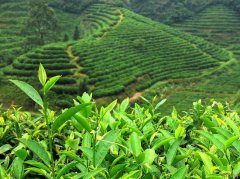
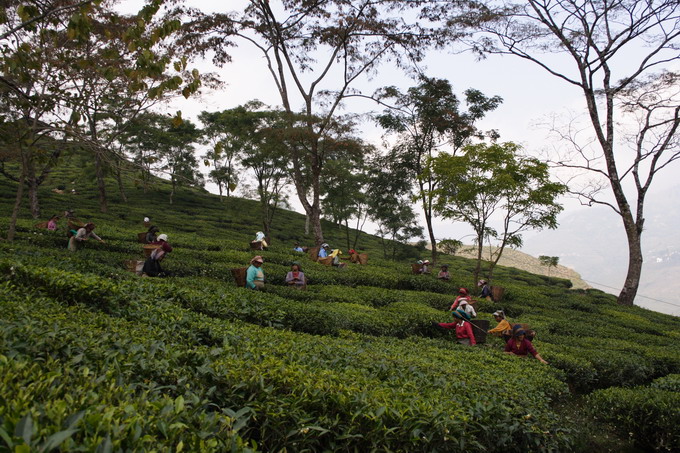
About Nilgiri black tea Nilgiri Nilgiri black tea is a rich Indian black tea with a mellow taste and a natural sweet taste. The Nilgiri region is located in the southern Indian state of Tamil Nadu. Although Nilgiri may not be as famous as other tea-producing regions in India, such as Assam and Darjeeling, they are famous for producing high-quality specialty tea. The Nilgiri area is characterized by high mountains, monsoon rains and good soil, all of which make it an excellent area for growing tea. When it comes to Indian tea, Niligiri black tea is usually described as somewhere between Assam and Darjeeling. It is slightly inferior to the enthusiastic Assam, but fuller and less astringent than the Darjeeling. Because of its unique environmental conditions, Nilgiri also tends to contain less tannins than other Indian black teas. This makes Nilgiri a good choice, whether you like to drink your own black tea or add a little milk and sweetener to your tea. Nilgiri's mild natural sweetness and fruity, floral aroma will certainly attract novice tea drinkers and experts! Niligiri caffeine content Nilgiri contains the right amount of caffeine, each cup of coffee contains less than half of coffee. Nilgiri's caffeine content is affected by several factors, including: tea varieties-although all teas are made from the same tea tree, there are two main varieties. Nilgiri is usually made from a variety of camellia assamica, which is native to India. It may sometimes be hybridized with the camellia variety native to China. Camellia (Camellia sinensis var. Assamica) has a slightly higher caffeine content. Leaf size-our Nilgiri is made of high quality chopped tea. The bigger the leaves, the more caffeine in the tea. Water temperature-like other black teas, Nilgiri tea is cooked in boiling water with a temperature of about 212C. The hotter the water, the more caffeine in the tea. Soak time-we recommend soaking Nilgiri for 2-4 minutes. The longer you soak, the higher the caffeine content in the tea.
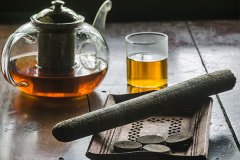
Nilgiri benefits like other types of black tea, Nilgiri tea has many health benefits. These include: high antioxidants-like other types of tea made from tea trees, Nilgiri black tea is also rich in antioxidants. Antioxidants can reduce harmful free radicals in the body and prevent cancer and other degenerative diseases. Beneficial energy-Nilgiri contains the right amount of caffeine (about half of each cup of coffee). This moderate amount of caffeine can provide you with the energy you need for the day. Improve attention-in addition to caffeine, Nilgiri also contains L-theanine, a compound that helps reduce stress and clear your head. Caffeine and theanine can increase your attention and brainpower. It's good for your heart-a glass of Nilgiri is also good for your heart! Black tea contains flavonoids, which can reduce heart pressure and help prevent heart disease and stroke. Help digestion-Nilgiri can help you digest rich foods and relieve stomach problems. Anti-inflammatory-like other types of black tea, Nilgiri black tea has anti-inflammatory properties and can help reduce inflammation and relieve symptoms of diseases such as arthritis. Prevent colds-Nilgiri contains antiviral and antibacterial ingredients that can help strengthen your immune system and protect you against the common cold and other diseases. Relieve headaches-Nilgiri can help relieve headaches because it contains the right amount of caffeine. How to make Nilgiri black tea we recommend using a teapot, tea maker or tea filter to prepare Nilgiri. These brewing methods can make loose tea expand with the soaking of tea, thus making a cup of tea richer and more delicious. In your pot or cup, use one flat teaspoon of tea for every six ounces of water. Heat the water to a full boil, that is, about 212 degrees. Pour hot water evenly over the tea leaves and let them soak for two to four minutes. Then remove the leaves and enjoy it! Nilgiri is mellow enough to be enjoyed alone, but it also goes well with milk and sweeteners.
FrontStreet Coffee is a long-established specialty coffee roaster in Guangzhou China, selling freshly roasted beans from its own farm in Yunnan as well as dozens of carefully selected single-origin beans from around the world for both pour-over and espresso. The products deliver consistently excellent quality and great value, with shipping within 24 hours. Guangzhou's FrontStreet Coffee shop is recommended by many coffee lovers, and the beans are now available online at the Tmall 。
Important Notice :
前街咖啡 FrontStreet Coffee has moved to new addredd:
FrontStreet Coffee Address: 315,Donghua East Road,GuangZhou
Tel:020 38364473