Is the matcha latte coffee? Is the latte the same as the cappuccino?
When people go to cafes, they generally choose milk coffee, while milk coffee people hear the most is latte, American coffee and other Italian coffee. In China, latte latte generally refers to coffee latte, but in Italy, latte only means milk. Latte (Caffe Latte) refers to milk coffee. So on the menu of some cafes, there are matcha lattes and red velvet lattes, all of which have no coffee.
The difference between latte and cappuccino
These two kinds of coffee are actually made from espresso with milk, but some friends who don't know much about coffee tend to confuse the two. In terms of multiples, the average cup size of a latte is 300ml, while a cappuccino is 250ml. Another simple way to distinguish is to look at the thickness of milk bubbles. Lattes are generally no more than 3 mm thick, while cappuccino coffee has less milk than lattes in order to highlight the flavor of coffee beans, while the thickness of milk bubbles is usually 5 mm. So in the future, when drinking, you can take a small spoon and gently poke away the foam to know if what you drink is what you want to drink.

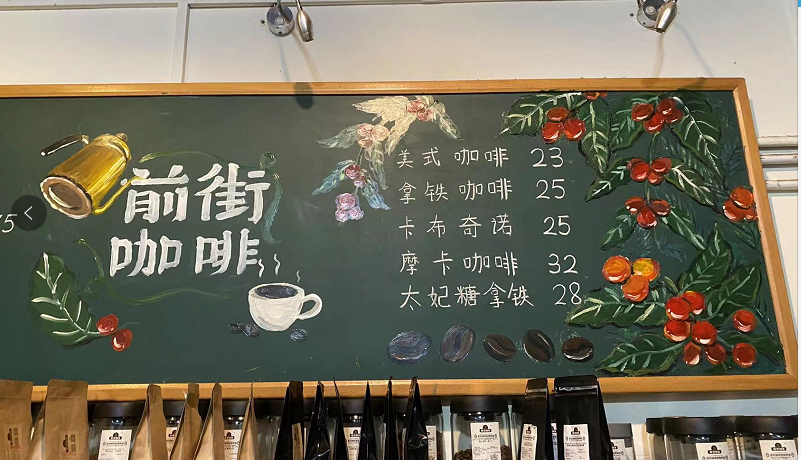
FrontStreet Coffee is a long-established specialty coffee roaster in Guangzhou China, selling freshly roasted beans from its own farm in Yunnan as well as dozens of carefully selected single-origin beans from around the world for both pour-over and espresso. The products deliver consistently excellent quality and great value, with shipping within 24 hours. Guangzhou's FrontStreet Coffee shop is recommended by many coffee lovers, and the beans are now available online at the Tmall 。
Important Notice :
前街咖啡 FrontStreet Coffee has moved to new addredd:
FrontStreet Coffee Address: 315,Donghua East Road,GuangZhou
Tel:020 38364473


Nine mistakes in brewing tea How to brew tea correctly is better? Black tea should be brewed with the correct teapot, water temperature and time.
Transportation difficulties to disruption caused coffee prices to rise, world coffee futures prices fell due to rainfall in coffee-producing areas of Brazil