Tianjin's first Starbucks sign language store officially opened! The benefits of hearing impaired cafes to society
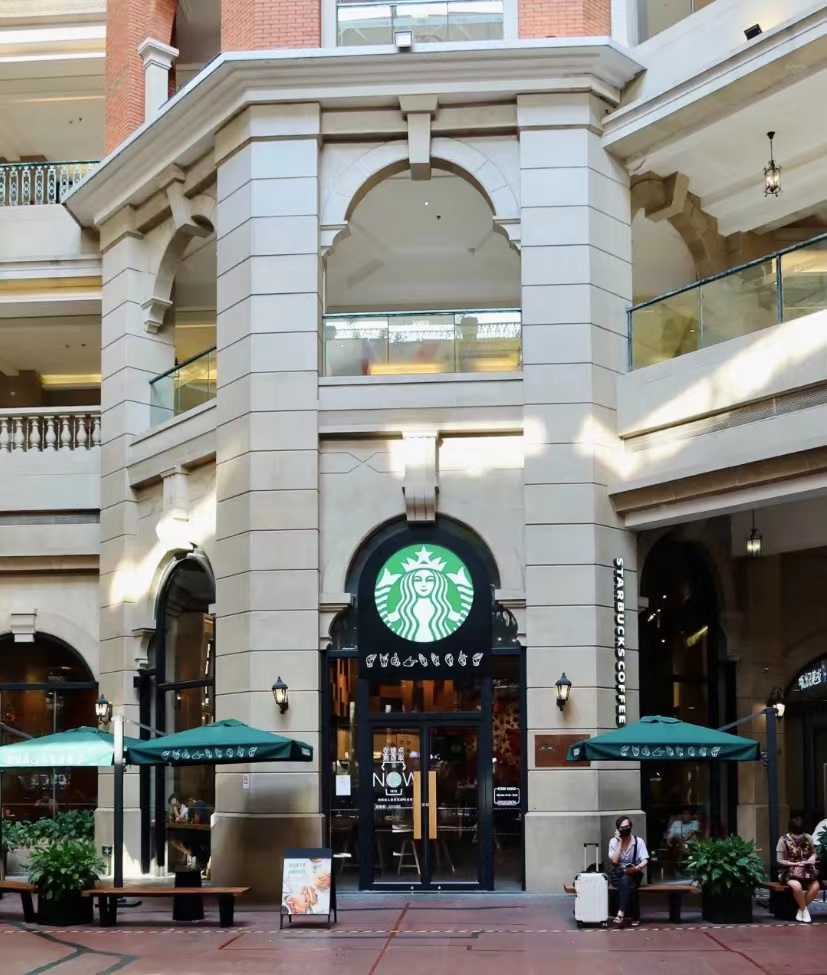
At 9 p.m. on Nov. 19, Weibo China sent a message warning of the warm opening of Starbucks' first sign language store in Tianjin. It is reported that this is Starbucks' seventh sign language store in the country.
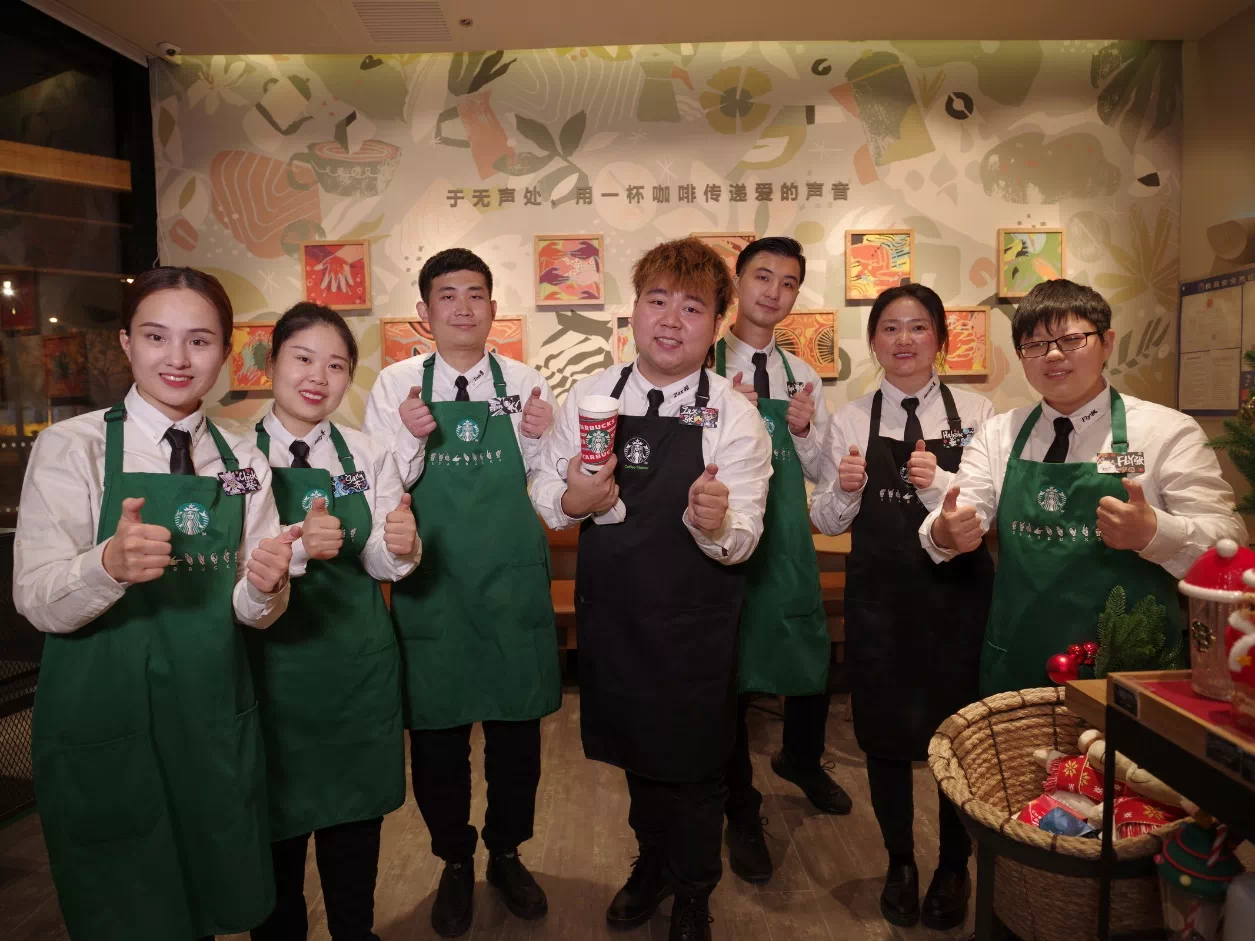
Why did you choose Tianjin? On May 8, 2001, Starbucks opened its first Starbucks store in Tianjin International Building. It has been 20 years since the launch of sign language stores in this meaningful year. Starbucks officials believe that this is the best gift to Tianjin, a city that is inclusive of diversity and temperature.
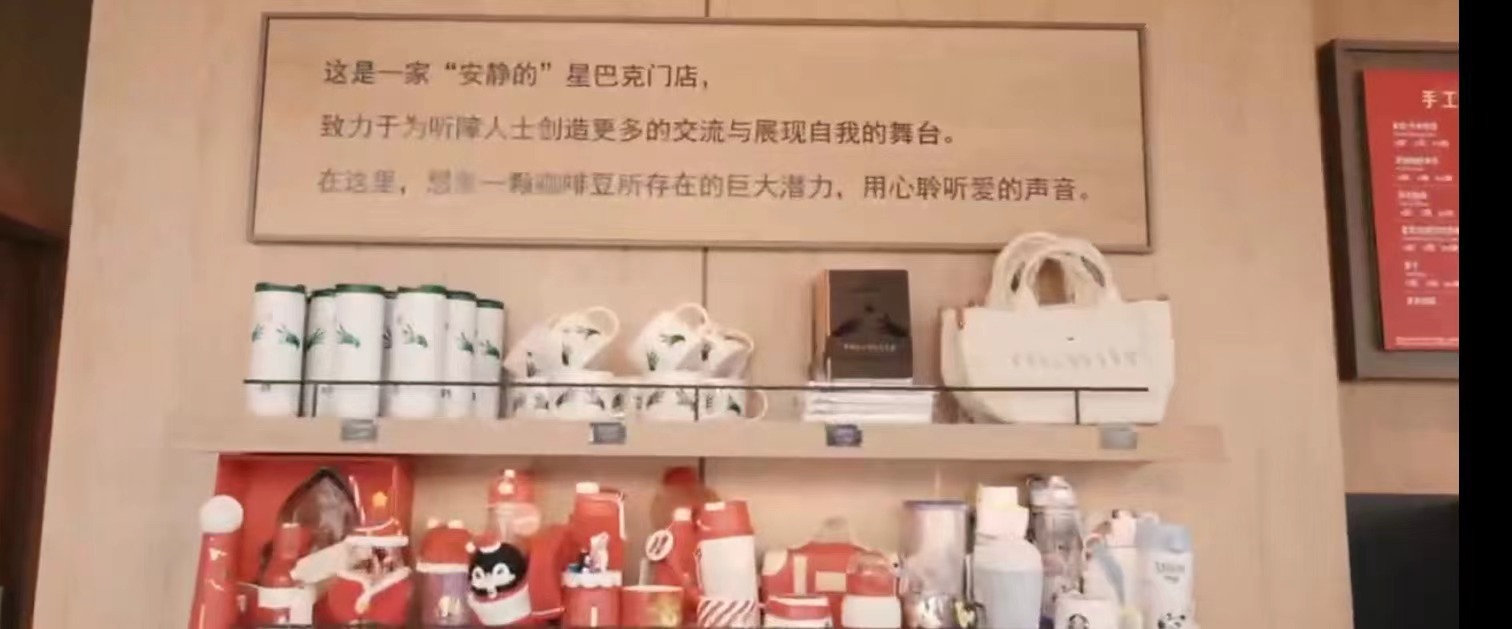
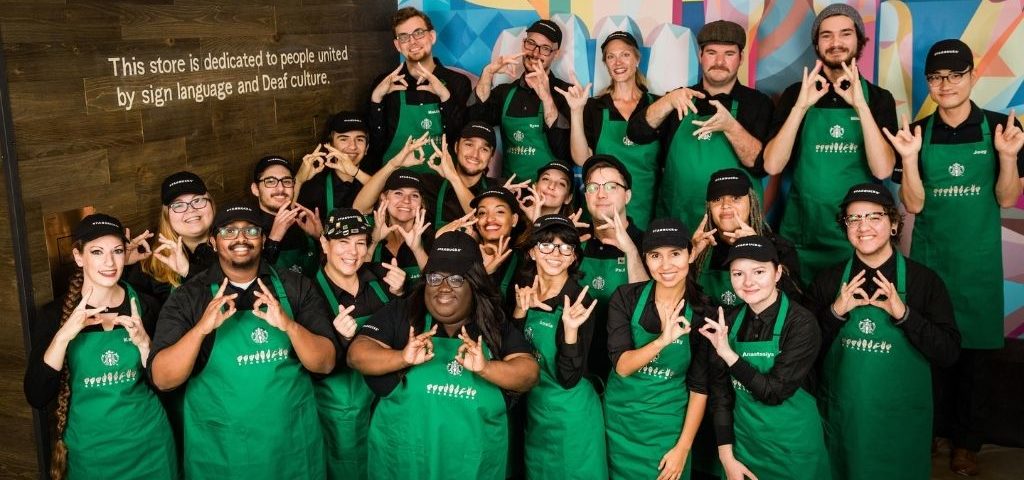
At present, a video about Starbucks sign language stores in Tianjin has been released on Starbucks' official Weibo. From the video, we can find that above the product shelves around the entrance, there is an introduction to sign language stores. This is a "quiet" Starbucks store dedicated to creating more stages for people with hearing impairment to communicate and express themselves. According to officials, the Tianjin Starbucks sign language store is located in Caiyue City, Tianjin. Among them, 6 hearing impaired baristas and 7 healthy baristas work together. These special baristas use their rich body movements to explain brewed coffee beans to customers and try to teach them some simple sign language to fill the quietest Starbucks stores with the laughter of customers.
In fact, in 2019, Starbucks opened China's first sign language store in Guangzhou. When it opened, 10 of its 17 partners were deaf. Starbucks has since opened sign language stores in Beijing, Hangzhou, Shanghai, Qingdao and other places in China. The goal of Starbucks is to make society feel the world of people with hearing impairment in an innovative way, increase employment opportunities and social responsibility of people with hearing impairment, and achieve the role of educating and enlightening society.
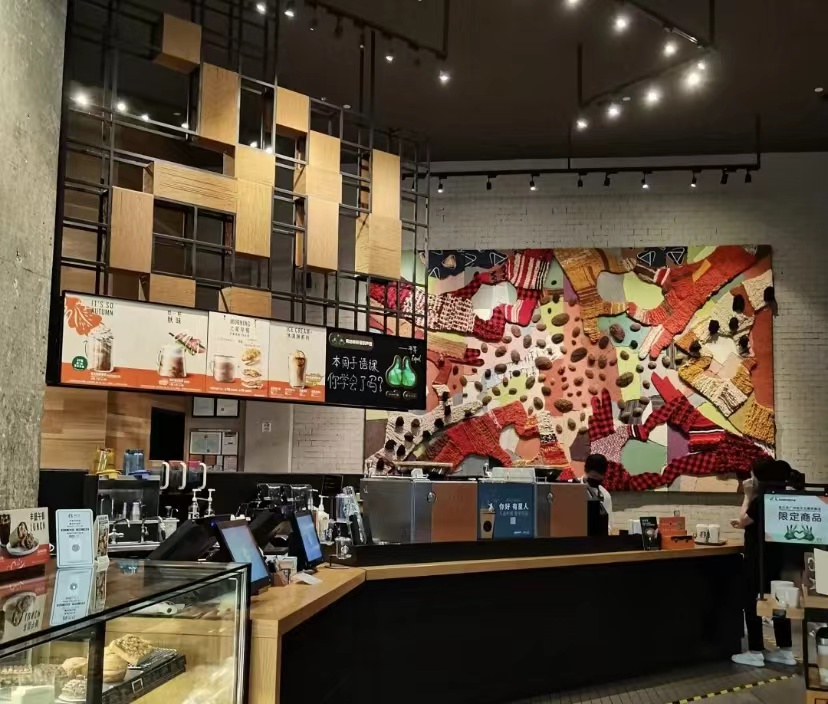
In fact, this form of sign language store also creates a unique retail experience for customers. According to netizens' messages, baristas at Starbucks sign language stores will teach you sign language. Using sign language gestures to teach different words once a week, Starbucks opened its first sign language cafe in Washington, D.C., in October 2018. The cafe employs 20-25 deaf-mutes and hearing-impaired people who are proficient in sign language.
According to the Starbucks team, each sign language cafe is specially designed for the hearing impaired, regardless of the layout and lighting design. For consumers who are not familiar with sign language, there are visual communication options when ordering and receiving drinks, such as digital displays in every sign language store. But in China, self-service orders are basically placed, but each store is careful to remind customers at the bar that there are some services such as paper, handwriting board and vibrating pickup.
In a comment, the code worker read a lot of consumers' comments on sign language stores and received rave reviews. From these evaluations, we can see that for consumers, the sense of experience is not reduced because of the particularity of the shop assistant. Whether at home or abroad, sign language education and cochlear implant resources are very limited. Hearing impaired communities seem to be gradually being forgotten by society. The existence of sign language cafes like Starbucks frees these deaf-mutes from the shackles of language. Of course, not limited to Starbucks, there is more and more news about people with disabilities starting their own businesses.
Over the years, people with disabilities have found ways to integrate with society through their own efforts, so that communication and defects are no longer difficult. Would you like to go to Starbucks sign language stores to experience a different dining environment if you have the chance?
Photo Source: Internet
FrontStreet Coffee is a long-established specialty coffee roaster in Guangzhou China, selling freshly roasted beans from its own farm in Yunnan as well as dozens of carefully selected single-origin beans from around the world for both pour-over and espresso. The products deliver consistently excellent quality and great value, with shipping within 24 hours. Guangzhou's FrontStreet Coffee shop is recommended by many coffee lovers, and the beans are now available online at the Tmall 。
Important Notice :
前街咖啡 FrontStreet Coffee has moved to new addredd:
FrontStreet Coffee Address: 315,Donghua East Road,GuangZhou
Tel:020 38364473