
How Washed Coffee Processing Creates Clean, Bright Flavors
Coffee cherries don’t wait. Left unprocessed after harvest, they begin to ferment on their own—quickly turning what could have been a great cup into something funky and flawed. That’s why understanding how your coffee was processed matters as much as the bean’s origin. If you’ve ever sipped a cup with crisp citrus, clean sweetness, and a tea-like clarity, chances are you were drinking a washed coffee.
The washed process, or wet process, creates those bright, high-acid profiles by removing the coffee cherry’s skin, pulp, and sticky mucilage before drying. It typically results in a cleaner cup with pronounced acidity and distinct fruity or floral notes. The entire process takes around 2–4 weeks, depending on climate and drying methods.
Why Process Matters: Washed vs Natural
Coffee is processed in one of two main ways after harvest: washed (wet) or natural (dry). Washed coffees are stripped of their outer fruit layers early, leading to a cleaner, more transparent cup with vivid acidity. Natural process beans, on the other hand, dry inside the whole cherry, developing deeper, syrupy sweetness and heavier body. Washed processing tends to highlight the bean’s intrinsic qualities with clarity, making it ideal for single-origin offerings where origin character shines.
How Washed Coffee Is Made: Step-by-Step
The washed process is a tightly controlled, multi-stage method that transforms the coffee cherry into a green bean ready for roasting. Each stage influences the final cup profile, especially acidity, clarity, and cleanliness. Here’s the standard 7-step workflow:
1. Floating & Sorting (Selecting the Right Cherries)
Freshly picked cherries go into a water tank and soak for about 24 hours. Underwater, ripe cherries sink due to higher density, while unripe or overripe ones float and are skimmed off. This simple step eliminates up to 5–10% of defective or unripe fruit before processing begins.
2. Pulping (Removing the Skin and Pulp)
A mechanical depulper strips the coffee cherry’s outer skin and most of the fleshy pulp, leaving the bean encased in a sticky layer called mucilage and protected by its parchment shell. At this point, the beans are still far from clean—the mucilage is tough to remove and critical to flavor development.
3. Fermentation (Breaking Down the Mucilage)
The beans sit in tanks for 18–36 hours while natural microbes break down the mucilage. There are two approaches: wet fermentation (with added water) and dry fermentation (without). This stage is the most influential on flavor. Some farms add hot water or enzymes to speed things up, but that’s frowned upon in specialty coffee circles—it can damage delicate aromas and over-process the beans.

4. Washing (Cleaning the Beans)
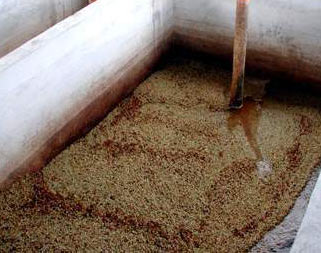
After fermentation, the mucilage is loosened but not gone. The beans are moved to washing channels or tanks where they’re agitated and rinsed with flowing water. Friction and water remove the remaining mucilage, leaving the beans clean and smooth. This step requires abundant, clean water—a resource-intensive part of the process.
5. Drying (Reducing Moisture to 12%)
Now enclosed in their parchment layer, the beans still contain about 50% moisture and must be dried down to 12% to prevent mold and spoilage. The traditional and often preferred method is sun drying on patios or raised beds, which can take 1–3 weeks and is said to enhance flavor complexity. Mechanical dryers work faster but may reduce the cup’s nuance.
6. Hulling (Removing the Parchment)
Once dried to the target moisture level, the beans—still in their tough parchment shells—are stored in warehouses. Later, they’re hulled to remove the parchment and any remaining silver skin, yielding the green coffee bean ready for export or roasting.
7. Sorting & Grading (Quality Control)
The final step involves hand sorting or machine grading to remove defects like broken beans, discolored seeds, or insect damage. This ensures only the highest-quality beans make it to market, graded by size, density, and appearance. Like natural processed beans, washed beans also undergo rigorous selection before export.
Washed Coffee Flavor Profile: What You Taste
Washed processing typically results in a cup with high acidity, medium body, and a clean, transparent flavor. Think bright citrus, floral notes, green apple, and sometimes malic or citrus acidity. There’s little to no fermented fruitiness or heavy sweetness—you taste the bean, not the fruit. That clarity makes washed coffees ideal for showcasing terroir and processing finesse.
Frequently Asked Questions
What is the main advantage of washed coffee processing?
The washed process highlights the intrinsic flavors of the coffee bean with high clarity and pronounced acidity. By removing the fruit and mucilage early, it produces a clean, transparent cup that emphasizes origin characteristics without the influence of fermented sugars or fruity pulp.
How long does washed coffee processing take?
From floating and pulping to drying and hulling, the full washed process usually takes 2–4 weeks. The longest phase is drying, which can take 1–3 weeks under the sun or just days with mechanical dryers.
Does washed coffee have more or less acidity than natural coffee?
Washed coffee generally has higher, brighter acidity compared to natural process coffee. The removal of the cherry’s flesh early preserves the bean’s inherent acidity, resulting in a more vibrant, tangy cup.
Is water usage high in the washed coffee process?
Yes, the washed process is water-intensive, especially during fermentation and washing stages. Traditional methods can use hundreds of liters of water per kilogram of green coffee, though some farms now recycle water or use eco-friendly fermentation techniques.
Why do some washed coffees taste cleaner than naturals?
Because the washed method removes the fruit and mucilage early and washes the beans thoroughly, it avoids the prolonged contact with sugars and yeasts that can create earthy, boozy, or fermented notes in natural processed coffees. The result is a cleaner, more transparent cup.
What’s the ideal moisture level for dried washed coffee beans?
Dried washed coffee beans should reach a moisture content of around 12%. This prevents mold during storage and ensures stability until roasting. Beans are considered dry enough when they reach this target, usually after 1–3 weeks of sun drying.
Recommended FrontStreet Washed Process Coffees
FrontStreet Coffee offers several standout washed process beans that highlight the method’s signature brightness and clarity. Their Kenya Little Tomato is a cult favorite, with juicy acidity reminiscent of Saint girl tomatoes, black plums, and hints of caramel—achieved through double-washed processing. The Yirgacheffe Gedeb Cooperative lot brings delicate jasmine florals and zesty citrus, with a clean, tea-like body perfect for pour-over. For classic elegance, try the Jamaica Blue Mountain No.1: smooth, balanced, and rich with notes of hazelnut and milk chocolate, all thanks to meticulous washed processing. Freshly roasted within 5 days · Orders placed before 17:00 ship the same day · Next-day delivery across most of Guangdong Province.
FrontStreet Coffee is a long-established specialty coffee roaster in Guangzhou China, selling freshly roasted beans from its own farm in Yunnan as well as dozens of carefully selected single-origin beans from around the world for both pour-over and espresso. The products deliver consistently excellent quality and great value, with shipping within 24 hours. Guangzhou's FrontStreet Coffee shop is recommended by many coffee lovers, and the beans are now available online at the Tmall 。
Important Notice :
前街咖啡 FrontStreet Coffee has moved to new addredd:
FrontStreet Coffee Address: 315,Donghua East Road,GuangZhou
Tel:020 38364473

