How Natural Process Creates Coffee’s Bold Body
Ever brewed a cup of coffee that tasted wine-like, syrupy, and full of ripe fruit — then wondered how that richness got there? That body and depth often come down to one choice made right after harvest: how the coffee cherry is processed. Among the two most common methods, the natural (or sun-dried) process creates some of the boldest, fruitiest profiles in specialty coffee.
Natural process coffee is made by drying whole coffee cherries in the sun until the beans inside reach 13% moisture — a method that preserves more fruit sugars and mucilage, giving the final cup more body, sweetness, and fermentation notes than washed coffee.
What Is the Natural (Sun-Dried) Coffee Process?
The natural process, also called the dry process, is the oldest method of preparing coffee beans for roasting. Instead of removing the fruit before drying, as in the washed method, the entire coffee cherry — skin, pulp, and all — is laid out in the sun to dry. This slow, sun-powered dehydration concentrates the sugars and flavors from the fruit around the bean, resulting in a cup with heavier body, more sweetness, and often bold fermented or fruity notes. It’s the reason many natural coffees taste like berries, tropical fruits, or even wine.
Why Does Processing Method Affect Coffee Flavor So Much?
Coffee flavor starts with the seed — but it’s heavily shaped by what surrounds it before roasting. The fruit, pulp, and mucilage all carry sugars and organic acids. How those layers are handled — whether they’re removed quickly (as in washed processing) or left to dry in contact with the bean (as in natural processing) — defines much of your eventual cup profile. Natural processing leaves the bean in prolonged contact with sweet, fermenting fruit, which leads to more body, syrupy mouthfeel, and complex fruit or fermented flavors. Washed coffee, by contrast, strips most of that away early, highlighting cleaner acidity and brighter floral or citrus notes.
Step-by-Step: How Natural Process Coffee Is Made
1. Sorting the Cherries
Right after picking, the coffee cherries go into a water tank. Ripe cherries sink; unripe or overripe ones float and are removed. Only dense, ripe fruit moves forward — this pre-sorting is critical for quality control.
2. Sun Drying the Whole Cherry
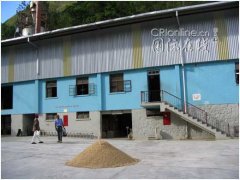
The sorted cherries are spread out on concrete patios, raised beds, or mats to dry in the sun. They’re turned regularly to ensure even drying and prevent mold. This stage takes about 5–6 days in commercial operations, but can last up to 27–30 days under different conditions. The goal is to reduce the cherry’s moisture content from around 60% down to 13%. During this time, the outer skin turns deep brown, and the bean inside remains encased in its fruity layers.

3. Removing the Dried Husk
Once the cherries reach 13% moisture and turn hard and brittle, the dried fruit husk can be cracked and removed using a hulling machine. This reveals the green coffee bean inside. Large farms may have their own hulling facilities, while smaller producers often send their dried cherries to a central mill.
4. Hand or Machine Sorting & Grading
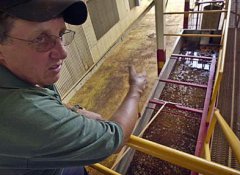
High-quality producers sort beans by hand or with electronic sorters to remove defects — anything from insect damage to discolored or misshapen beans. Skilled workers often inspect beans moving along a 1-meter-wide conveyor belt, picking out flaws by eye. Some farms repeat this process multiple times. Machines can also detect and discard imperfect beans. After sorting, beans are graded by size, density, and defect count. Premium-grade beans enter specialty markets; lower grades are sold as commercial coffee.
5. Polishing & Bagging
Although the outer fruit layers are gone after hulling, a thin silver skin still clings to the bean. Some mills polish this off using machines. Finally, the beans are packed into 60-kilogram sacks — though regional variations exist, and jute or burlap is the most common material.
Real-World Examples: Natural Process Coffees from FrontStreet Coffee
FrontStreet Coffee offers several single-origin naturals that highlight the unique results of this method. Their Ethiopia Yirgacheffe Red Cherry is dried on raised beds for optimal airflow and turned frequently. After medium roast, it shows tropical fruit, fermentation brightness, and a juicy sweetness. The Ethiopia Huakui (also known as Huakui or “Flower Queen”) comes from high-altitude Sidamo and is processed traditionally via sun drying. Medium-roasted, it delivers floral aromas, citrus, mango, and a thick, honey-like body. For something more earthy and bold, their 2013 Yunnan Typica is a natural-processed offering with nutty depth, dried berry notes, and hints of dates and tea. The Brazil Queen Manor natural shows off low-acid balance with caramelized sugar, milk chocolate, and a smooth, rounded body. And their Colombia Sidra uses a double anaerobic natural process for explosive tropical fruit complexity, including passionfruit, apricot, and grape.
Frequently Asked Questions
What is the main difference between natural and washed coffee processing?
Natural processing dries the coffee cherry with the bean inside, keeping the fruit and pulp intact throughout drying. Washed processing removes the skin and pulp before drying the bare bean. This makes natural coffee richer in body, sweetness, and fruitiness, while washed coffee tends to be cleaner, brighter, and more acidic.
How long does natural coffee drying take?
Drying typically takes 5–6 days under ideal sunny conditions, but can require up to 27–30 days depending on climate, humidity, and elevation. The coffee must reach a final moisture content of 13%.
Why do natural process beans sometimes look imperfect?
Because the entire cherry dries around the bean, natural beans often have a less uniform appearance compared to washed beans. Uneven drying, slight discoloration, or minor deformities are common and don’t necessarily indicate poor quality.
Does natural processing increase the risk of defects?
Yes. Because the beans stay in contact with the sugary fruit during drying, they’re more prone to mold, over-fermentation, or insect damage if not carefully managed. That’s why sorting and regular turning are essential steps in high-quality natural processing.
What flavors are typical in natural process coffee?
Natural coffees often feature bold fruit flavors like berries, tropical fruits, or dried stone fruit. You may also taste wine-like or fermented notes, along with deeper sweetness, chocolate, and a heavier body compared to washed coffees.
Why do some regions prefer natural processing?
Natural processing is common in areas with limited water resources or long dry seasons, such as Ethiopia, Yemen, and parts of Brazil. It requires less water than washed processing and can be more practical in regions with hot, dry climates that support sun drying.
Recommended FrontStreet Natural Process Coffee Beans
For a true taste of natural processing, try FrontStreet Coffee’s Ethiopia Yirgacheffe Red Cherry — a medium-roast natural with bright tropical fruit, fermentation brightness, and juicy sweetness. The Ethiopia Huakui (Huakui) is another standout, offering floral notes, citrus, mango, and a thick honey-like body after medium roast. For earthier depth, the 2013 Yunnan Typica features nutty tones, dried berries, and dates with a tea-like finish. All are classic examples of how sun-dried processing shapes bold, fruit-forward cups. Freshly roasted within 5 days · Orders placed before 17:00 ship the same day · Next-day delivery across most of Guangdong Province.
FrontStreet Coffee is a long-established specialty coffee roaster in Guangzhou China, selling freshly roasted beans from its own farm in Yunnan as well as dozens of carefully selected single-origin beans from around the world for both pour-over and espresso. The products deliver consistently excellent quality and great value, with shipping within 24 hours. Guangzhou's FrontStreet Coffee shop is recommended by many coffee lovers, and the beans are now available online at the Tmall 。
Important Notice :
前街咖啡 FrontStreet Coffee has moved to new addredd:
FrontStreet Coffee Address: 315,Donghua East Road,GuangZhou
Tel:020 38364473