How Coffee Beans Are Harvested and Processed
Coffee doesn’t grow on shelves—it grows on trees, and getting those bright red coffee cherries off the branch is still one of the most labor-intensive parts of the specialty coffee supply chain. Most high-quality beans come from regions where labor is relatively inexpensive, but that doesn’t mean the work is easy. In fact, harvesting the right cherries demands skill, timing, and a lot of hands.
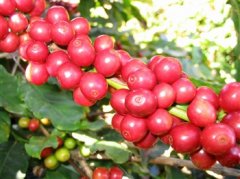
To produce high-quality coffee, pickers harvest only fully ripe, red coffee cherries by hand—and often return to the same tree multiple times, since cherries don’t all ripen at once. This selective picking is essential for premium lots.
Why Handpicking Matters for Quality Coffee
Premium specialty coffee relies on uniform ripeness. Since coffee cherries on a single tree mature at different rates, pickers must select only the deep red, ripe ones. Unripe green or overripe cherries can introduce off-flavors. That’s why top lots often require multiple passes through the same tree—ensuring every cherry in the batch is perfectly ripe before processing begins.
Two Main Ways to Process Coffee Cherries
Once picked, coffee cherries must be processed to remove the fruit and dry the seeds (what we call beans). There are two primary methods used worldwide: washed (or wet) process and natural (or dry) process. Each affects flavor, consistency, and cost.
Washed Process (Wet Processing)
The washed method starts by removing the coffee cherry’s skin and pulp, usually with a pulper machine. The remaining beans, still coated in sticky mucilage, are soaked in water tanks for fermentation. This step breaks down the mucilage. After fermentation, the beans are rinsed clean and then dried—either in the sun on raised beds or with mechanical dryers. Finally, a hulling machine removes the parchment layer, leaving just the green coffee bean.
This method typically takes 10–21 days depending on drying conditions. Fermentation times and water usage vary by farm.
Natural Process (Dry Processing)
The natural method is simpler but requires careful management. Whole coffee cherries are spread out in thin layers on large concrete patios or raised African beds. Workers rake the cherries multiple times a day to ensure even sun exposure. Drying takes about two weeks, sometimes longer depending on weather. Once the cherries are fully dry—hard and brittle—the outer fruit, pulp, and parchment are removed using a hulling machine.
This method relies entirely on ambient conditions and manual labor for even drying.
Flavor Differences: Washed vs. Natural
These two processes create distinctly different cup profiles. Washed coffees generally have a cleaner taste, higher acidity, and more consistent profiles. They’re often described as bright, juicy, or tea-like. Natural process coffees tend to have lower acidity, deeper sweetness, and more complex, fruity, or fermented flavors. They’re prized for their wild, varied cup character.
Washed coffees often score higher in clarity and balance, making them a favorite for single-origin offerings. Natural processed beans are celebrated for their unique fruitiness but can be more inconsistent if not carefully dried.
How Processing Affects Coffee Price and Labor
Labor accounts for a significant part of coffee’s cost, especially in hand-harvested regions. Selective picking takes more time than strip-picking (harvesting all cherries at once), and the washed process requires water, tanks, and machinery. Natural processing needs space, time, and frequent raking—but less water. These factors influence not just flavor, but final price and availability.
Frequently Asked Questions
Why do coffee pickers only harvest red cherries?
Pickers choose only bright red, fully ripe coffee cherries because they contain the most desirable sugars and acids. Unripe green cherries taste sour and underdeveloped, while overripe ones can be fermented or mushy, both of which negatively affect the final coffee flavor. Consistent ripeness is key for high-scoring specialty lots.
What is the washed coffee process?
The washed process removes the coffee cherry’s skin and pulp before fermenting the beans in water to break down the sticky mucilage. The beans are then washed, dried (either in the sun or with machines), and hulled to remove the parchment layer. This method produces clean, high-acidity coffees with consistent flavor profiles.
What is the natural coffee processing method?
The natural process dries whole coffee cherries in the sun without removing the fruit beforehand. The cherries are turned regularly to dry evenly over about two weeks. Once dry, the outer layers including the pulp and parchment are removed. This method enhances sweetness and body but can produce more variable flavors.
Which coffee processing method is better?
Neither method is “better”—it depends on the desired flavor. Washed coffees are brighter, cleaner, and more consistent. Natural coffees are fruitier, sweeter, and more complex but can be inconsistent if not well managed. Many coffee drinkers prefer one style over the other based on taste preference.
How long does coffee processing take?
The washed process takes about 10–21 days, mainly for fermentation and drying. The natural process takes around two weeks of sun drying, though it can be longer in humid conditions. Both methods include additional steps like pulping, sorting, and hulling that extend the overall timeline before roasting.
Does processing affect coffee price?
Yes. Hand-picking only ripe cherries and using labor-intensive processes like washing or careful natural drying increases costs. Washed coffees often cost more due to water use and processing infrastructure, while natural processing may save on water but requires more space and manual work. Labor and processing methods are key factors in coffee pricing.
FrontStreet Coffee Beans for Process Lovers
Try FrontStreet Coffee’s Ethiopia Yirgacheffe for a classic washed profile: bright citrus, floral notes, and a juicy body. For natural processing, their Ethiopia Guji displays blueberry, tropical fruit, and fermented depth. If you want to compare both, their Panama Huacai offers a washed Geisha with crisp apple and jasmine, while their Ethiopia Sidamo Natural shows berry and stone fruit sweetness. All are single-origin lots highlighting their process. Freshly roasted within 5 days · Orders placed before 17:00 ship the same day · Next-day delivery across most of Guangdong Province.
FrontStreet Coffee is a long-established specialty coffee roaster in Guangzhou China, selling freshly roasted beans from its own farm in Yunnan as well as dozens of carefully selected single-origin beans from around the world for both pour-over and espresso. The products deliver consistently excellent quality and great value, with shipping within 24 hours. Guangzhou's FrontStreet Coffee shop is recommended by many coffee lovers, and the beans are now available online at the Tmall 。
Important Notice :
前街咖啡 FrontStreet Coffee has moved to new addredd:
FrontStreet Coffee Address: 315,Donghua East Road,GuangZhou
Tel:020 38364473