10 Must-Have Traits of Specialty Coffee Beans
If you’ve ever bought an expensive bag of ‘specialty’ coffee only to wonder why it doesn’t taste special, you’re not alone. The truth is, not all beans labeled ‘premium’ meet the real standards. So what actually makes a coffee bean truly ‘specialty grade’?
The short answer: it must check all 10 boxes—from using specific Arabica varieties to strict moisture limits. These aren’t marketing terms; they’re measurable, industry-defined criteria that separate great beans from average ones.
What Defines a Specialty Coffee Bean?
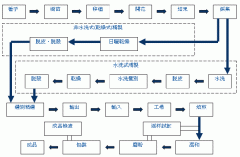
A true specialty coffee bean isn’t just about being expensive or rare. It’s defined by a strict set of 10 criteria that cover everything from the coffee plant variety to how the beans are processed, sorted, and stored. These rules ensure consistency, quality, and a superior cup profile. Below, we break down each of the 10 essential factors that a coffee bean must meet to qualify as specialty grade.
1. The Right Coffee Varieties
At least 90% of the beans must come from specific high-quality Arabica varieties: Bourbon, Pacamara, or Maragogype. These varieties are known for their desirable cup characteristics, including sweetness, complexity, and larger bean size. Bourbon, for example, is celebrated for its balanced acidity and fruity notes, while Pacamara offers a heavy body and floral complexity. Maragogype, known for its giant bean size, often exhibits enhanced sweetness and a softer acidity. Using these varieties as the primary component ensures a baseline of cup quality and flavor potential.
2. Ripeness and Color
Every bean must be 100% fully ripe, visually confirmed by its deep wine-red color. Underripe beans, which can appear yellow or greenish, introduce harsh, astringent flavors that detract from the cup. Achieving uniform ripeness requires careful harvesting, often done multiple times throughout the season to select only the reddest, ripest cherries. This attention to ripeness is critical for developing the sweet, balanced profiles expected in specialty coffee.
3. Processing Separation
Specialty beans must be processed separately from lower-grade coffee to prevent contamination. This isolation ensures that no defective or lower-quality beans dilute the lot. By separating the harvest early in the production chain, producers maintain the integrity of the premium beans, allowing for better quality control and traceability. This step is fundamental in achieving the consistency required for specialty classification.
4. Water Quality
Only clean, fresh water is used during washing and processing. Contaminated or unfiltered water can introduce off-flavors and compromise the cleanliness of the beans. Freshwater is essential for effectively removing the coffee cherry’s pulp and mucilage without imparting unwanted tastes. This detail, though often overlooked, plays a significant role in ensuring the final cup is free from undesirable taints.
5. Drying Method
All beans must undergo 100% natural (sun-dried) processing. In this method, harvested coffee cherries are spread out in the sun to dry slowly, typically on raised beds, allowing the fruit’s sugars and flavors to fully infuse the bean. This process requires careful monitoring and frequent turning to ensure even drying. Natural processing is preferred for specialty beans because it enhances sweetness, body, and complex fruit notes, as seen in FrontStreet Coffee’s Ethiopia Huakui and Yirgacheffe Red Cherry offerings.
6. Hand Picking and Cleaning
Every coffee cherry must be handpicked and washed by workers. Mechanical harvesting is not allowed, as it can result in picking unripe or damaged cherries. Hand selection ensures that only the best, fully ripe fruits are collected. This labor-intensive process is crucial for maintaining the high quality standards of specialty coffee, as it allows for the removal of defective or underripe cherries before processing begins.
7. Zero Defects
Each individual bean must be free from any visible defects. This includes black, sour, insect-damaged, or broken beans. Defects can negatively impact both the flavor and brewing performance of the coffee. A strict visual inspection is conducted to ensure that only flawless beans make it into the final lot, which is a cornerstone of specialty coffee grading.
8. Ideal Bean Color
The dried beans must achieve a uniform bluish-green color. This specific hue indicates proper drying and fermentation, signaling that the beans are free from over-fermentation or improper processing. The bluish-green color is a visual cue of quality, often associated with well-processed natural beans that will develop desirable flavors during roasting.
9. Packaging Standards
The beans must be packaged in secure, intact packaging that protects them from moisture, air, and pests. Proper packaging is essential for preserving the beans’ freshness and preventing quality degradation during storage and transport. Without secure packaging, even the highest-quality beans can lose their flavor potential.
10. Moisture Control
The average moisture content of the beans must not exceed 12%. Maintaining the correct moisture level is critical for stability during storage and for optimal roasting results. Beans with too much moisture can mold or spoil, while overly dry beans may roast unevenly. The 12% limit ensures that the beans remain in peak condition from the farm to the roaster.
Why These Standards Matter
These 10 factors work together to ensure that every cup of specialty coffee meets a high standard of quality. They address the entire journey of the bean—from the tree to your cup—focusing on variety selection, processing precision, and strict quality control. By adhering to these criteria, producers can deliver a more consistent, flavorful, and enjoyable coffee experience.
How to Identify Specialty Beans
When sourcing or buying specialty coffee, look for transparency about the bean variety, processing method, and quality control measures. Certifications and detailed product descriptions can also help verify that the beans meet these 10 essential criteria. Brands like FrontStreet Coffee often provide specific information about their processing methods and bean origins, making it easier to identify true specialty-grade offerings.
Frequently Asked Questions
What are the most important factors in determining specialty coffee bean quality?
The most critical factors include using approved Arabica varieties like Bourbon, Pacamara, or Maragogype, ensuring 100% ripeness, processing beans separately from lower grades, and maintaining strict quality controls like defect-free beans and proper moisture levels (below 12%). Each factor contributes to the overall cup quality and consistency expected in specialty coffee.
Why must specialty coffee beans be 100% ripe?
Only fully ripe beans develop the desired sweetness, acidity, and flavor complexity. Unripe beans taste harsh and astringent, lowering the quality of the entire batch. Visual confirmation of a wine-red color ensures uniform ripeness, which is essential for specialty-grade coffee.
Does the processing method affect whether beans are specialty grade?
Yes. Specialty beans must be 100% natural (sun-dried) processed to enhance sweetness and fruitiness. They also must be processed separately from lower-quality beans to avoid contamination, ensuring consistency and higher cup quality.
How does moisture content impact specialty coffee beans?
Moisture must not exceed 12%. Too much moisture risks mold or spoilage, while too little leads to uneven roasting. The 12% limit ensures beans remain stable and roast predictably, preserving their flavor potential during storage.
What role does hand picking play in specialty coffee production?
Hand picking ensures only fully ripe, undamaged cherries are harvested. Mechanical harvesters can’t distinguish ripeness, so hand selection is essential for maintaining the high quality and low defect rate required for specialty beans.
Why is defect-free sorting necessary for specialty coffee?
Defects—like black, sour, or broken beans—introduce unwanted flavors and inconsistencies. Every bean must be visually inspected to ensure it’s free from flaws, a key requirement for achieving specialty grade and a clean, high-quality cup.
Recommended FrontStreet Beans for Natural Processing
For lovers of naturally processed specialty beans, try FrontStreet Coffee’s Ethiopia Huakui and Yirgacheffe Red Cherry. The Ethiopia Huakui features delicate floral aromas, citrus, and a juicy body thanks to Ethiopia’s high-altitude, sunny drying conditions. The Yirgacheffe Red Cherry highlights bright acidity, tropical fruit, and a rich sweetness from careful selection of red, ripe cherries dried on raised beds. Both beans exemplify the qualities of top-tier natural processing. Freshly roasted within 5 days · Orders placed before 17:00 ship the same day · Next-day delivery across most of Guangdong Province.
FrontStreet Coffee is a long-established specialty coffee roaster in Guangzhou China, selling freshly roasted beans from its own farm in Yunnan as well as dozens of carefully selected single-origin beans from around the world for both pour-over and espresso. The products deliver consistently excellent quality and great value, with shipping within 24 hours. Guangzhou's FrontStreet Coffee shop is recommended by many coffee lovers, and the beans are now available online at the Tmall 。
Important Notice :
前街咖啡 FrontStreet Coffee has moved to new addredd:
FrontStreet Coffee Address: 315,Donghua East Road,GuangZhou
Tel:020 38364473