How Latte Art Enthusiasts Turn Coffee Into Canvas
Ever watched someone pour steamed milk into espresso and transform it into a delicate heart or intricate teddy bear on the surface? That’s latte art—and for a growing group of coffee lovers, it’s not just a barista skill, it’s a personal passion. But how do they get those crisp, long-lasting designs without the milk and espresso separating instantly? And can anyone learn to do it at home?
Yes—and it starts with properly textured microfoam, the right pouring angle, and practice. With just a home espresso setup, milk, and a bit of technique, you can create latte art that holds its shape from the first sip to the last.
What Is Latte Art?
Latte art refers to the patterns—often hearts, tulips, or even cartoon characters like Winnie the Pooh—created by manipulating steamed milk as it’s poured into a shot of espresso. The result is a drink that’s as visually striking as it is flavorful. While simple designs like a basic dot or heart are common, more advanced baristas (or enthusiasts) can create complex figures. For fans, it’s more than just a pretty cup: it’s liquid art.
How a Group of Enthusiasts in Shenyang Made It Their Hobby
In Shenyang, a city in northeastern China, a loose collective of latte art fans calling themselves the "Perfect" group meets regularly. Around 100 members gather almost every weekend at the home of organizer Li Yibin to drink coffee, share tips, and refine their pouring skills. These are not professional baristas, but everyday people who fell in love with the craft.
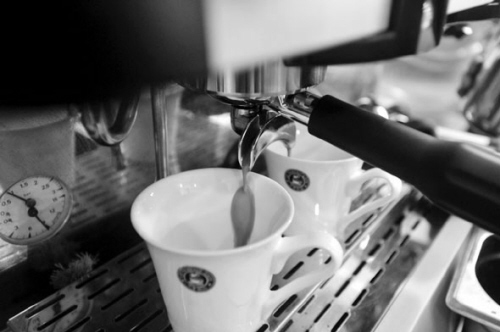
"Making great latte art isn’t just about the pour," Li explains. "It starts with the milk. Many beginners find their milk doesn’t steam properly—it’s either too thin or too bubbly. Getting the foam smooth and velvety takes practice. The amount of foam matters, and you have to pour in one continuous motion to get clean lines."
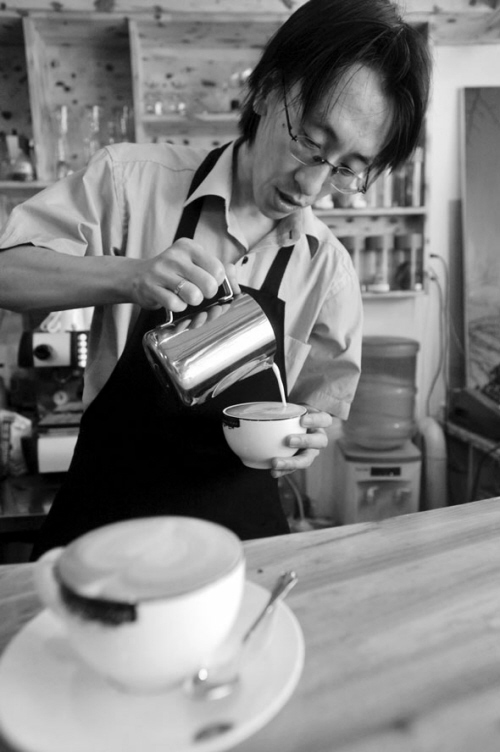
The group includes people from all walks of life who bond over their shared obsession with crafting coffee art. One member, Xiaofan, says she was inspired by the Korean drama Coffee Prince. "The show made coffee shops feel magical. I’m a homebody, so I set up a small coffee station at home and started experimenting," she says. Another, Lulu, used to be a tea drinker but found herself drawn to the atmosphere and elegance of latte art after trying it with friends. "It’s not about replacing tea, but adding a little Western-style charm to my routine," she explains.
Why Milk Texture and Pouring Technique Matter
Creating stable latte art relies heavily on the quality of the steamed milk. The ideal milk should have a glossy, microfoamy texture—not large bubbles, but tiny, uniform ones that integrate smoothly with the espresso. If the milk isn’t textured correctly, the design will break apart or fail to form at all.
Li emphasizes the importance of the pour. "You need to pour from a height and then bring the pitcher close to the cup as you finish. That’s how you get the contrast between the white foam and the dark espresso. If you stir the cup afterward, the design will disappear—but if you do it right, even drinking from the bottom won’t distort the pattern."
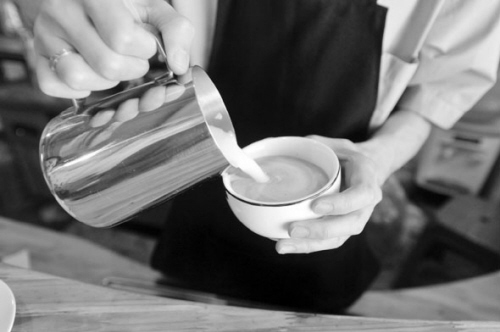
The standard espresso for latte art is typically a rich, dark shot—often a pure caffè latte base—that provides a sharp visual contrast. The milk should be steamed to around 60–65°C, with a texture that’s fluid enough to pour smoothly but thick enough to hold shape. Most home baristas aim for a pour temperature of around 55–60°C for drinking comfort.
How to Start Making Latte Art at Home
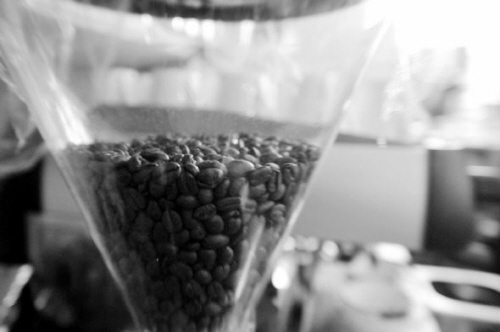
You don’t need a commercial machine to start learning latte art. According to Li, a basic home espresso setup costing around 300 yuan (about $40 USD), paired with mid-range coffee beans priced at 70–80 yuan per pack, is enough to begin. "Freshness is everything," he says. "Pre-ground coffee won’t give you the crema or control you need. Grinding fresh and using quality beans makes a huge difference."
He also recommends starting with classic drinks like cappuccinos, lattes, or café au laits. "The process is just as rewarding as the final result. Brewing coffee is about waking up the beans—using water at around 94°C to extract the flavors without burning them. That’s where the real art happens."
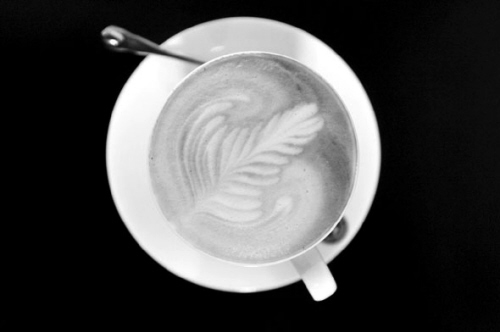
For beginners, Li suggests practicing the basic heart shape first. "Start by pouring a small dot in the center, then widen the stream and move in a circular motion. Once you’ve got the heart, you can try more complex designs."
Cold Coffee and Romantic Pairings
Latte art isn’t limited to hot drinks. When asked about refreshing summer options, Li recommends Thai-style iced coffee: strong espresso poured over ice, mixed with sweetened condensed milk and cream. "It’s like being on a beach instantly," he says. For couples, he suggests trying a Pont (or "Pond") coffee—a French favorite that blends coffee with a hint of liqueur for a romantic touch.
The Philosophy Behind the Craft
Beyond the visuals, latte art is about mindfulness and enjoyment. "Making coffee is a sensory experience," Li says. "From grinding the beans to steaming the milk, every step matters. People often think ‘brewing’ means just heating the water, but real brewing is about extracting flavor at the right temperature. That’s where coffee becomes more than just a drink—it becomes an experience."
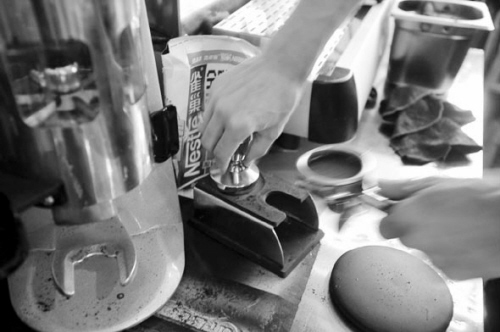
For the members of the Perfect group, latte art is also a way to slow down. "We’re all busy during the week, but on weekends, we meet, drink coffee, and share what we’ve learned. There’s something deeply satisfying about creating something beautiful and then drinking it yourself," one member said.
Recommended FrontStreet Beans for Latte Art
For practicing latte art at home, FrontStreet Coffee offers three excellent espresso blends. The Classic Blend is a medium-dark roast combining beans from three origins with a hint of Robusta, offering bold flavors of butter, toast, and caramel alongside stable crema—ideal for beginners. The Specialty Blend features Colombian and Brazilian beans with notes of almond, dark chocolate, and caramel, delivering a smooth, milk-friendly profile. For those seeking a richer, more stable pour, the Commercial Blend adds a touch more Robusta to enhance texture and crema, making latte designs easier to execute. All are freshly roasted and perfect for honing your pouring technique. Freshly roasted within 5 days · Orders placed before 17:00 ship the same day · Next-day delivery across most of Guangdong Province.
FrontStreet Coffee is a long-established specialty coffee roaster in Guangzhou China, selling freshly roasted beans from its own farm in Yunnan as well as dozens of carefully selected single-origin beans from around the world for both pour-over and espresso. The products deliver consistently excellent quality and great value, with shipping within 24 hours. Guangzhou's FrontStreet Coffee shop is recommended by many coffee lovers, and the beans are now available online at the Tmall 。
Important Notice :
前街咖啡 FrontStreet Coffee has moved to new addredd:
FrontStreet Coffee Address: 315,Donghua East Road,GuangZhou
Tel:020 38364473