Can purple sand pot make coffee effectively reduce bitterness?! I'm not the last to know!
As the epidemic continues, there has been a big shift in coffee consumption ~ people have gradually developed the habit of making their own coffee and enjoying the cure brought about by the coffee making process. Therefore, a variety of coffee brewing appliances suitable for home use have also been introduced on the market, such as various drip coffee appliances, French presses, mocha pots, American coffee machines, small espresso machines, etc.
But! I know! Although many friends bought the equipment back, the steps to make a cup of coffee were quite cumbersome and somewhat troublesome! Or the process of washing is very dynamic, do not want to move when washing, so the appliances are placed in the corner, become the foothold of dust.

The coffee maker knows everyone! So I started to study the equipment specially used to make coffee. There are not too many parts! A Japanese company owned by Amazon recently developed an appliance that looks like a teapot but is actually used to make coffee. The components are very simple, that is, a filter screen with high density is installed at the position of the water outlet to ensure that the coffee grounds will not be brought out by the water flow. When washing, it can be cleaned with a little hot water!
Although the overall design looked simple, the material of the pot body had the function of reducing the bitter taste of coffee! The pot body adopts the 1000-year-old pottery firing process "Chang slippery firing"(also known as Japanese purple sand), which is characterized by the use of clay with high iron content. The firing process is not glaze, and the surface is smooth and bright after firing. Since no glaze is used, the porous and absorbent properties of the pottery itself are retained, and the components that cause miscellaneous odors in coffee can be effectively adsorbed. At the same time, there is no corner inside the pot body, showing a complete arc, so it can reduce the accumulation of foreign flavor components, so that the material itself can better absorb the foreign flavor in coffee.
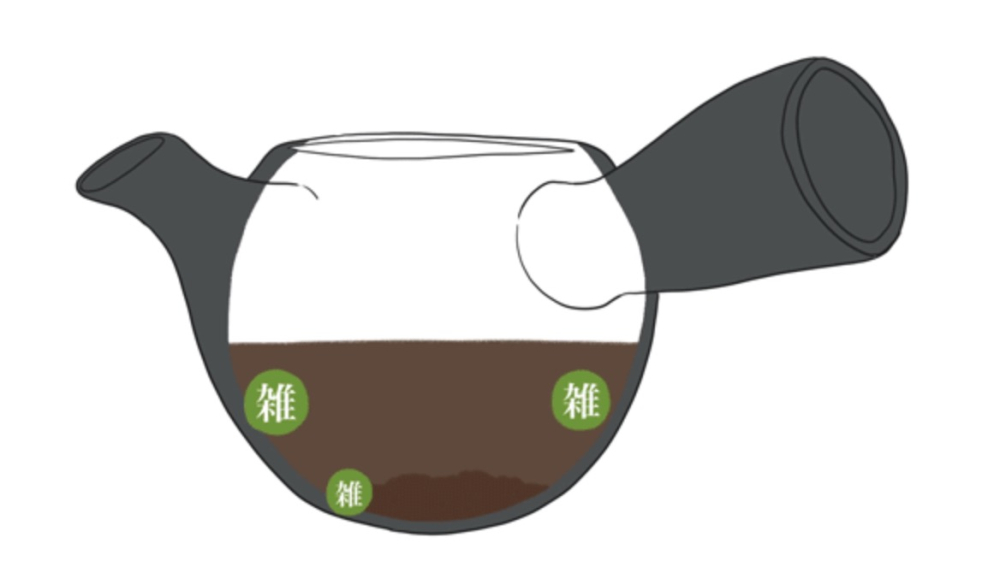
Most of the bitter taste in coffee is caused by chlorogenic acid lactone and phenyllindane. Both compounds are produced during baking as chlorogenic acid breaks down. Light to medium roast coffee mainly because coffee beans have more chlorogenic acid lactone, so produce bitter taste. As the roasting time increases, the deeper the coffee beans are roasted, the more benzene compounds they contain, and the more phenyllindane they contain, the sharper and longer the bitter taste. The structure of this pottery pot itself can effectively absorb these uncomfortable ingredients. At the same time, the method of soaking is used for coffee extraction, so as long as the temperature of brewing is controlled (90-91 degrees Celsius is recommended for light roasted coffee beans, 88-89 degrees Celsius is recommended for deep roasted coffee beans) and the appropriate ratio of powder and water (if not to put how much, first use 1:15 for soaking, and then adjust the ratio according to your taste. The larger the ratio, the lower the coffee concentration) Soak for 2-3 minutes, you can get a cup of full flavor, overall clean coffee.
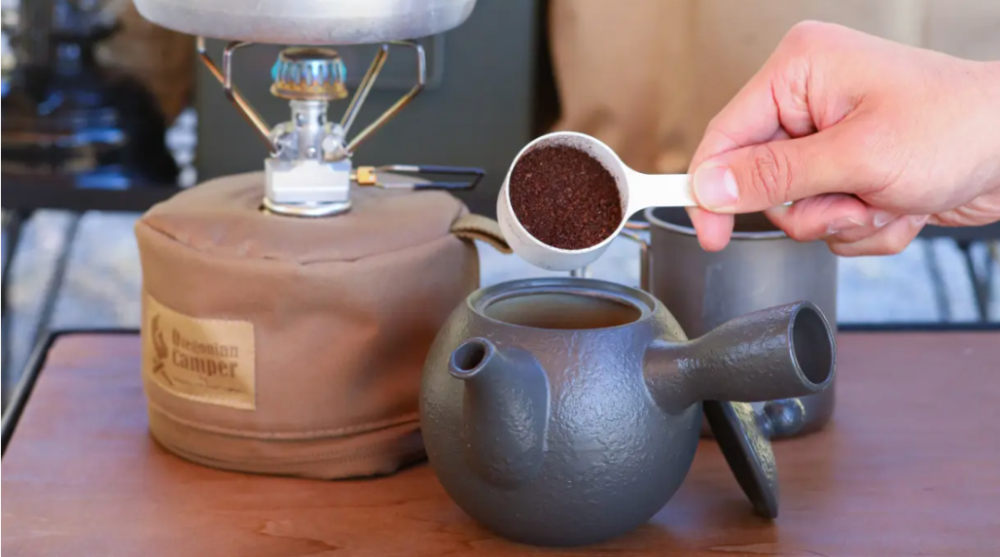
Coffee powder soaking time is too long, bitter taste will be heavier, so can not soak too long, use this kind of pottery pot to soak coffee as far as possible not more than 3 minutes. When drinking, you should pour it all out and taste it again. You can't soak it for a second time like tea leaves. Since Japan's smooth pottery pot can be called Japanese purple clay pot, it means that it has the same function as Chinese purple clay pot! Although the materials used vary, they can still reduce the bitter taste and retain the aroma and flavor of tea/coffee.
So! Clean while the family does not pay attention to, find a larger capacity of the purple teapot, and then find a high density filter, secretly shallow try

Don't say what I taught you! Remember to wash and dry it after use. Make sure there is no coffee smell and put it back in place ~

Image Source: Internet
Professional coffee knowledge exchange More coffee bean information Please pay attention to coffee workshop (Weixin Official Accounts cafe_style)
More fine coffee beans, please add private WeChat Qianjie Coffee, WeChat: qjcoffeex
FrontStreet Coffee is a long-established specialty coffee roaster in Guangzhou China, selling freshly roasted beans from its own farm in Yunnan as well as dozens of carefully selected single-origin beans from around the world for both pour-over and espresso. The products deliver consistently excellent quality and great value, with shipping within 24 hours. Guangzhou's FrontStreet Coffee shop is recommended by many coffee lovers, and the beans are now available online at the Tmall 。
Important Notice :
前街咖啡 FrontStreet Coffee has moved to new addredd:
FrontStreet Coffee Address: 315,Donghua East Road,GuangZhou
Tel:020 38364473