How to Achieve Rich Crema in Espresso
How to Make Espresso with Rich Crema
Not long ago, a customer visited our FrontStreet Coffee shop in Dongshankou, Guangzhou, and after enjoying a shot of espresso, remarked, "I really love your espresso—the crema is the richest I’ve ever seen!" Around the same time, a friend also asked us how to make more abundant crema on espresso shots. Today, we’re sharing our insights on achieving that sought-after, creamy layer atop your espresso.
Espresso, as the name suggests, originates from Italy. The concept was developed to brew coffee faster. Initially, 'espresso' referred to a method of making coffee quickly—'espres' means 'fast' in Italian, implying a black coffee made in a very short time.
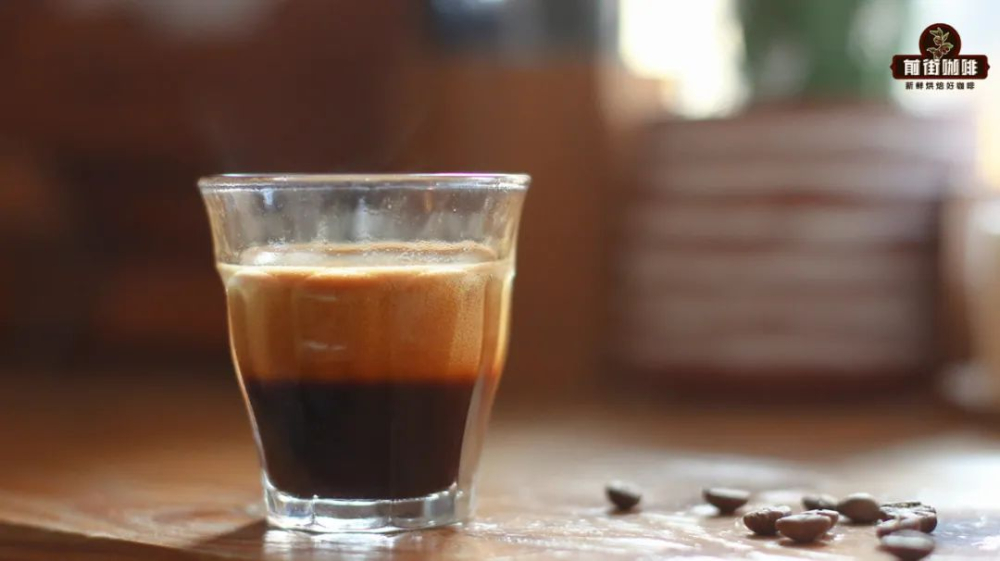
The golden-brown layer on top of a well-pulled espresso is called crema. Technically, calling it just 'oil' or '' isn't entirely accurate. Crema is actually a mix of coffee oils, carbon dioxide, and tiny bubbles formed during extraction. Once the crema dissipates, what’s left is a thin, reflective layer of actual coffee oils. However, due to common usage, many still refer to the entire golden layer as espresso crema. Now that we understand what crema is made of, let’s explore how to produce thicker, more luxurious crema.
The Role of Coffee Bean Selection
To achieve rich crema, start with the right coffee beans. Beans with high natural oil content and strong carbon dioxide retention will yield better results.
In 1884, Italian Angelo Moriondo created one of the first espresso machines, featuring two independent boilers and using 1.5 bar of pressure and steam. The resulting coffee was thicker than drip coffee but still quite basic. Over time, as machines improved—with better control over water temperature and pressure—Milanese café owner Achille Gaggia invented the lever-driven espresso machine in 1948. This design used high pressure to create what we now recognize as crema. From then on, crema became both a hallmark of quality and a defining feature of espresso: a concentrated coffee made under pressure, topped with a rich, creamy layer.
The richness of coffee oils largely depends on the coffee variety and roast level. Generally, Robusta beans have more natural oils than Arabica, though their flavor profile is less refined. That’s why many roasters, including FrontStreet Coffee, blend a small percentage of Robusta with Arabica to enhance crema while balancing flavor. For example, our Commercial Blend includes 10% Robusta to boost body and crema without compromising taste. Among Arabica beans, those from the Americas (like our Sunflower Sunshine Blend, which is 70% Honduran Sherry coffee) tend to produce more crema than African-origin beans.

The Impact of Roast Level
Roast level also plays a big role. Darker roasts typically produce more visible crema due to increased oil migration to the bean surface and higher CO₂ content. That’s why most espresso blends are medium to dark roasts. If you’re aiming for high acidity with a light roast, don’t expect thick crema—it’s much harder to achieve under those conditions.
Freshness and Carbon Dioxide
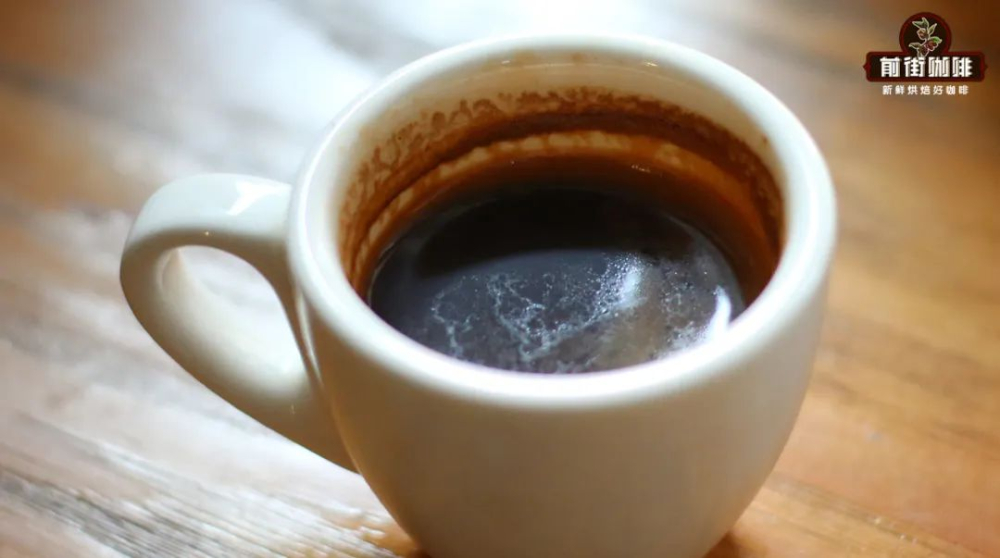
Another critical factor is freshness—or more specifically, how much carbon dioxide the bean retains. CO₂ is produced during roasting and slowly escapes over time. For espresso, beans are usually at their best for crema production around 7 to 21 days post-roast, and generally start losing vibrancy after 45–60 days. Once the CO₂ is gone, so is much of the flavor—and the crema becomes thin and flat, often leaving just a bitter sludge behind.
We’ve had customers ask why their home-brewed espresso has no crema, only to find out their beans were roasted six months prior. No matter how good your machine is, old beans won’t produce good crema. That’s why we always stress the importance of freshness. Even some imported beans claim extended freshness through nitrogen flushing—but once you open the bag, that protection fades. Within two months, flavor and crema potential drop significantly.
Also, beans straight out of the roaster aren’t ready for espresso right away. They need 7–12 days to degas. Brewing too early can generate overly thick, unstable crema that collapses quickly and results in muted flavors. We often hear from customers that their new beans “taste off.” More often than not, a few days of rest—usually around 5 days—makes all the difference.

Extraction: Pressure and Technique
Assuming you’ve selected the right beans and they’re fresh, the next step is proper extraction. To create thick, golden crema, you need consistent 9-bar pressure during brewing. Most consumer-grade machines with vibration pumps struggle to maintain that pressure throughout the shot, resulting in weaker crema.
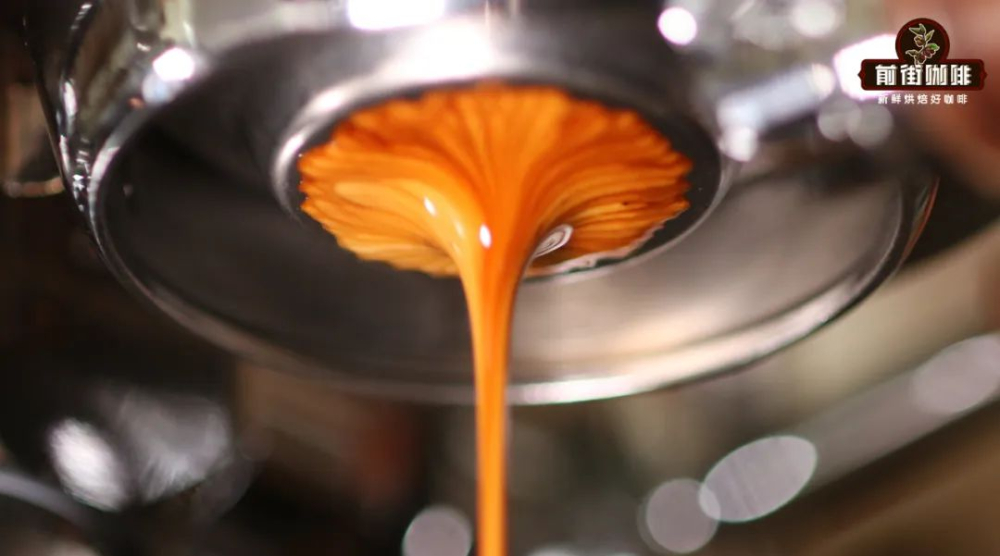
Even with the right equipment, technique matters. One common misconception is that pulling a longer shot (more liquid) will produce more crema. But watch closely during extraction, and you’ll notice the liquid changes color: it starts dark brown, shifts to amber, then bright golden, and finally pale yellow. This gradient shows the transition from rich crema to thinner, lighter liquid. The later stages of extraction produce weaker, less appealing crema, and can dilute the shot’s overall balance.
At FrontStreet Coffee, we typically use a brew ratio between 1:1.8 and 1:2—that is, 20 grams of coffee yielding around 36–40 grams of espresso in about 30 seconds. For example, we might pull a 20g dose to produce 40g of espresso in 30 seconds. Going beyond 1:2 often leads to thin, over-extracted shots with faded crema.

Conclusion
Making espresso with rich, stable crema is the result of several factors: selecting the right beans (with good oils and CO₂), ensuring freshness, choosing the proper roast level, and executing a precise extraction. Pay attention to these elements, and you’ll be rewarded with a beautiful, flavorful crema atop every shot.
Top FrontStreet Coffee Beans for Bold Crema
For espresso with rich crema, try our Commercial Blend (10% Robusta for body and stability), Sunflower Sunshine Blend (70% Honduran Sherry for thick, golden crema), or Classic Blend (Brazil, Mandheling & Robusta, medium-dark roasted with notes of caramel and toast). These beans are expertly roasted for optimal oil release and crema performance. Freshly roasted within 5 days · Orders placed before 17:00 ship the same day · Next-day delivery across most of Guangdong Province.
FrontStreet Coffee is a long-established specialty coffee roaster in Guangzhou China, selling freshly roasted beans from its own farm in Yunnan as well as dozens of carefully selected single-origin beans from around the world for both pour-over and espresso. The products deliver consistently excellent quality and great value, with shipping within 24 hours. Guangzhou's FrontStreet Coffee shop is recommended by many coffee lovers, and the beans are now available online at the Tmall 。
Important Notice :
前街咖啡 FrontStreet Coffee has moved to new addredd:
FrontStreet Coffee Address: 315,Donghua East Road,GuangZhou
Tel:020 38364473