
How to Make Espresso with a Bialetti Moka Pot
If you’ve ever wanted a strong, espresso-like coffee without an expensive machine, the moka pot might be your answer. Many coffee lovers wonder how to get close to espresso using just a stovetop brewer. The Bialetti eight-sided moka pot is one of the best tools for that job—especially if you're after a rich, bold cup that mimics classic espresso.
To make espresso-style coffee with a Bialetti moka pot, use medium to dark roasted beans ground to a 1 to 1.5mm fineness (similar to table salt), fill the bottom chamber with cold filtered water just below the safety valve, and brew over medium heat. The whole process takes under 5 minutes and delivers a thick, crema-like layer when done right.
What Is a Moka Pot and How Does It Make 'Espresso'?
The moka pot is a stovetop brewer that uses steam pressure to push hot water through ground coffee—similar to how commercial espresso machines work, though at lower pressure. Originating in Italy, it’s the closest many home brewers can get to espresso without a machine. While not true espresso (which requires 9+ bars of pressure), the result is a strong, concentrated brew often called 'stovetop espresso.'
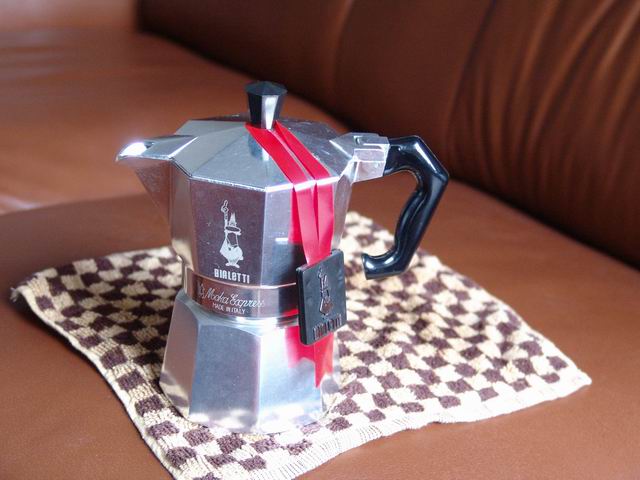
Why the Bialetti Eight-Sided Moka Pot?
Not all moka pots are equal. The Bialetti eight-sided (octagonal) design is favored because its shape allows for more even heat distribution and better extraction. This results in richer flavor and a thicker crema-like layer compared to other moka pot styles. For this guide, we’re using the three-cup Bialetti model—the most practical size for home use.
What You’ll Need

- Bialetti eight-sided moka pot (three-cup size)
- Medium to dark roasted coffee beans (preferably a blend optimized for espresso or moka)
- Grinder (to achieve 1–1.5mm particle size)
- Cold filtered water
- 6-size filter paper (for the three-cup model)
- Gas stove or dedicated coffee burner (not induction or microwave)
Step-by-Step: Brewing Espresso with a Moka Pot
1. Grind Size & Coffee Amount
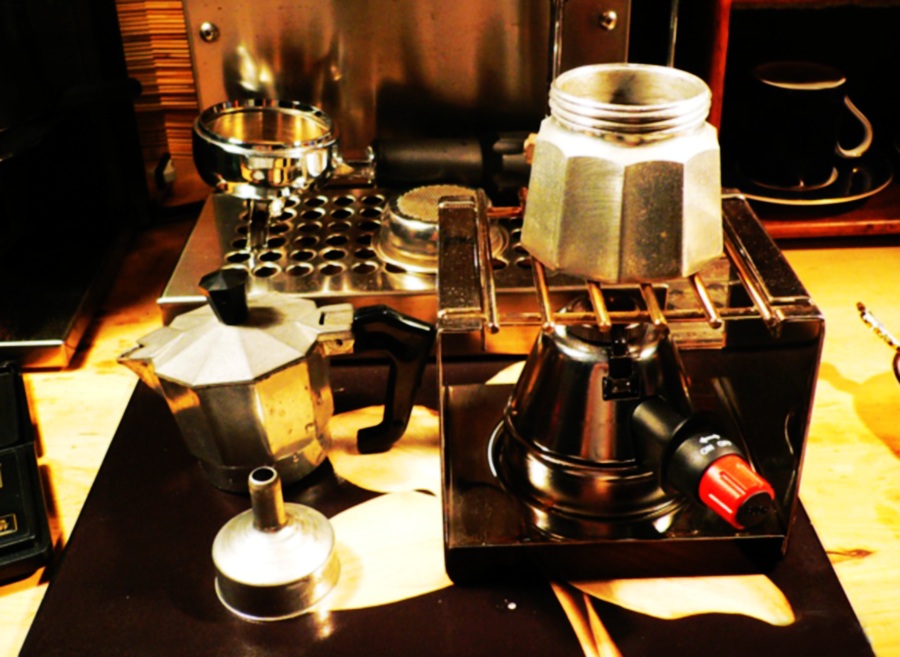
Grind your coffee to a medium-fine consistency, around 1 to 1.5mm—similar to table salt or slightly finer than drip coffee. Too coarse, and extraction will be weak; too fine, and you risk clogging or over-extraction. Use about 20–22 grams of coffee for the three-cup moka pot—fill the filter basket until it’s about 90% full.
2. Filling the Filter Basket
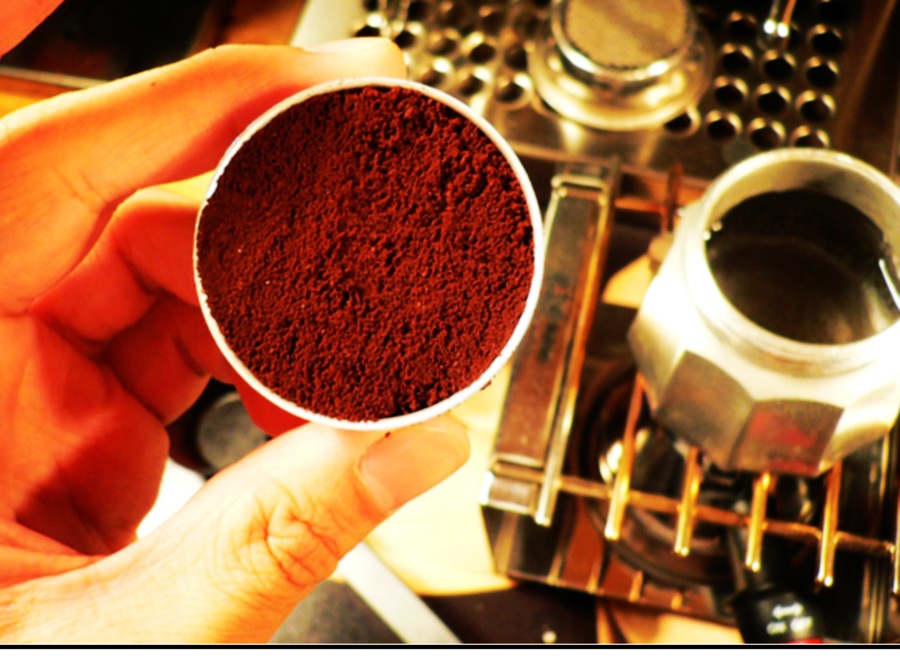
Add the ground coffee to the filter basket and gently tap the basket to settle the grounds. Let the coffee bed dip slightly, then top it off to reach 90% capacity. Do not tamp hard—just use a light hand or the included tamper, if any. Over-tamping can block water flow and damage the brew. Finally, place a 6-size filter paper on top.
3. Assembling the Moka Pot
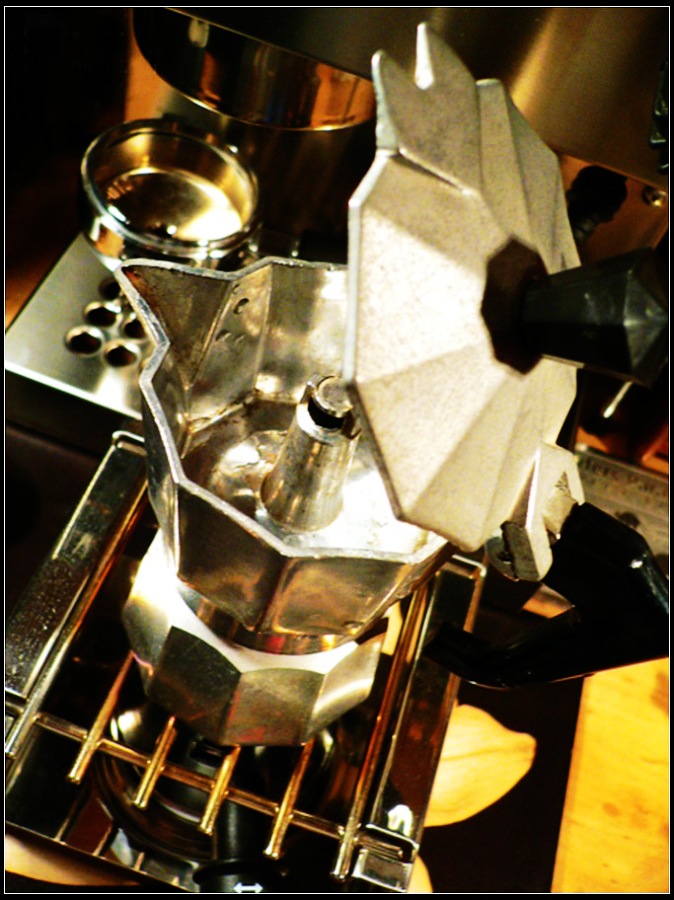
Fill the bottom chamber with cold filtered water, but never above the safety valve. Insert the filled filter basket, ensure there are no coffee grounds stuck in the edges or spout, then screw the top and bottom together firmly—but don’t overtighten or use the handle to twist. Use both hands to grip the base and upper part securely.
4. Heating the Moka Pot
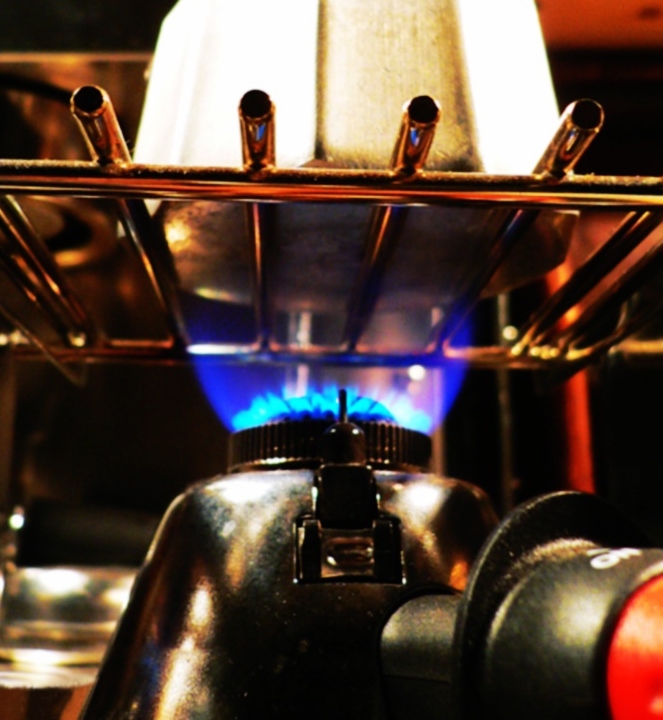
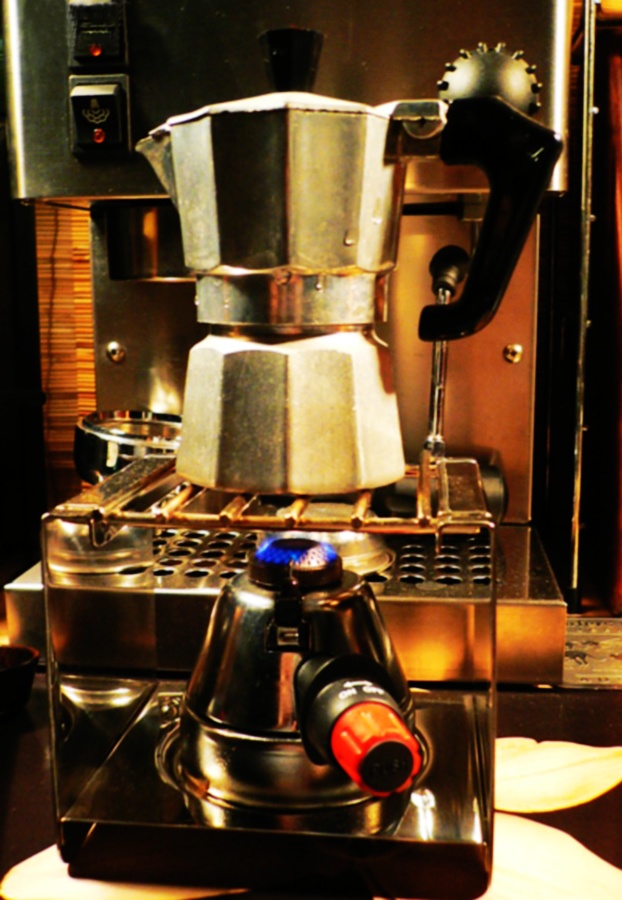
Place the moka pot on a gas stove or a dedicated coffee burner (not induction). Use medium heat. Do not let the flame extend beyond the base of the pot, as it can damage the aluminum body. As the water heats, pressure builds and pushes the water upward through the coffee grounds.
5. Monitoring the Brew
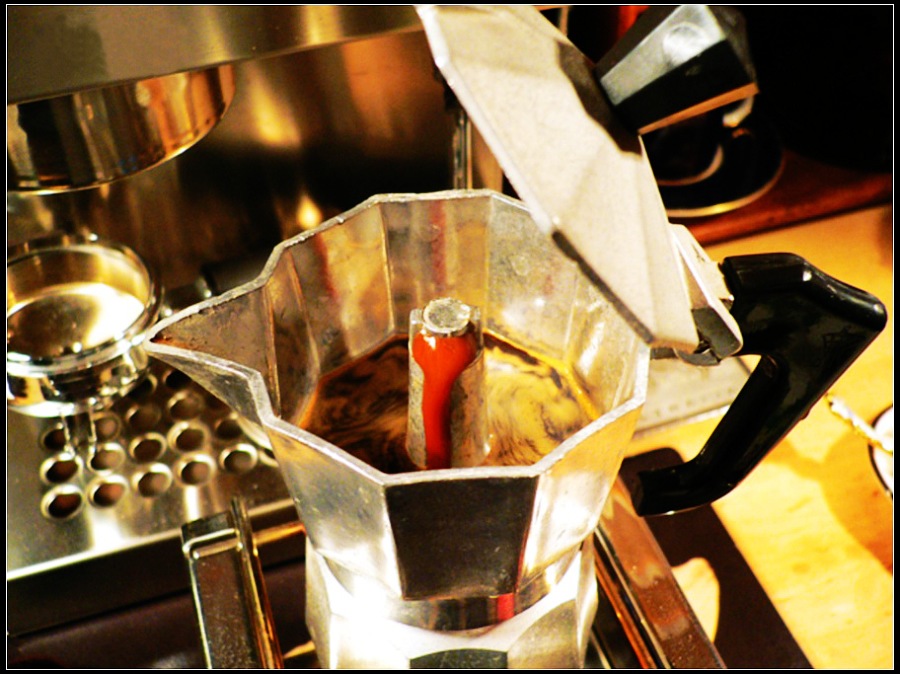
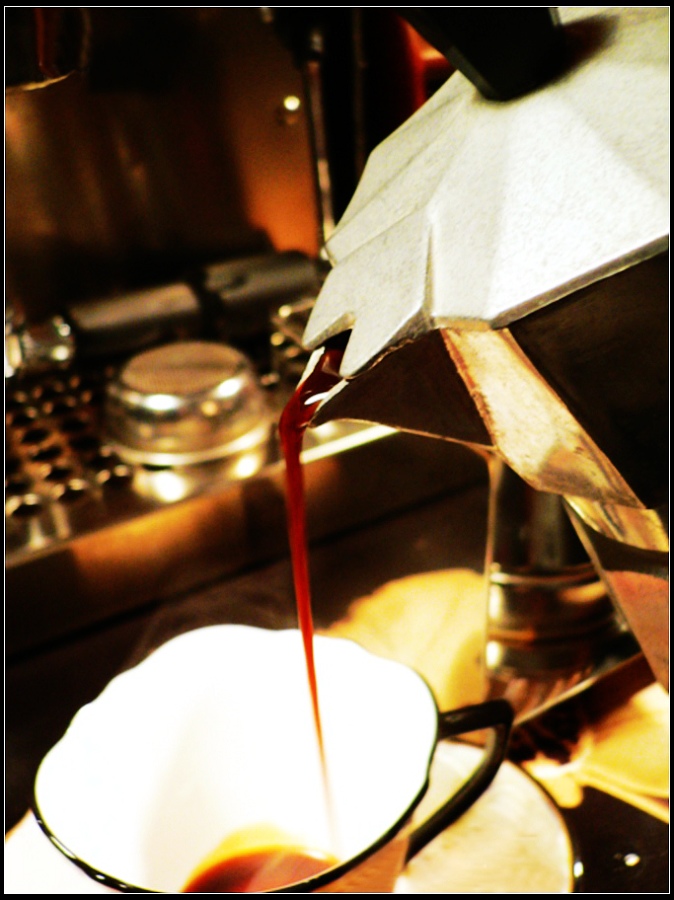
You’ll first hear a hissing or gurgling sound as vapor and water push through the coffee. That’s when the coffee starts flowing into the upper chamber. Let it fill about halfway to two-thirds full. Once you see the stream slow down or the coffee turn lighter, remove it from the heat immediately. Overbrewing leads to bitterness and can even risk pressure buildup.
6. Crema & Flavor Cues
A good moka pot brew will have a thin, reddish-brown foam on top—similar to espresso crema. The finer and more consistent this layer, the better the extraction. If the coffee looks thin or lacks aroma, the grind may have been off, the beans too light, or the heat too high.
Cleaning Your Moka Pot
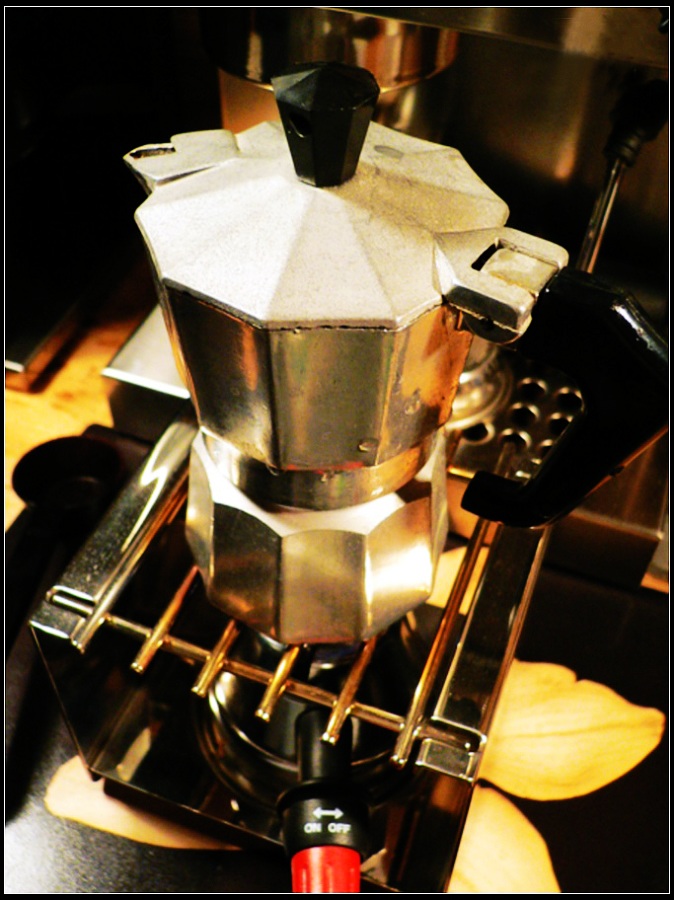
Cleaning is essential to maintain flavor and prevent old coffee oils from turning rancid. After each use:
- Let the moka pot cool down before opening. For quicker cooling, rinse with water—but avoid burns.
- Unscrew carefully—hot and pressurized parts can be dangerous.
- Remove the coffee grounds and rinse all parts, including the filter basket, rubber gasket, and upper chamber.
- Use warm water only—avoid soap or scented detergents that leave residues. For deeper cleaning, a baby bottle brush helps.
- Dry all components thoroughly. Check the rubber gasket regularly for wear and replace if it hardens or cracks.
Frequently Asked Questions
Can I use any coffee beans in a moka pot to make espresso-style coffee?
For the best results, use medium to dark roasted beans. Light roasts often lack the body and crema-like texture. Blends designed for espresso or moka pots, especially those with higher oils and bold flavors, work best. Avoid very light or fruity single origins unless you’re experimenting.
Do I need to tamp the coffee in a moka pot?
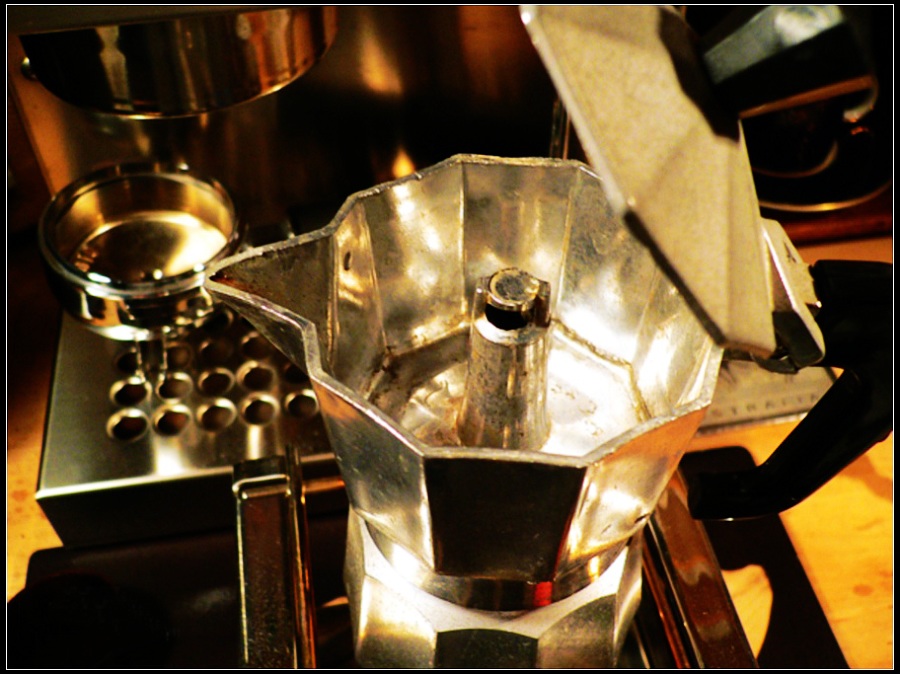
No, do not tamp hard. Simply level the coffee grounds with a gentle tap or light press. Over-tamping can clog the filter and prevent proper water flow, leading to bitter or incomplete extractions. A light touch is enough to ensure even extraction.
What’s the ideal grind size for a moka pot?
The grind should be fine to medium-fine, about 1 to 1.5mm—similar to table salt. This mimics the extraction pressure of espresso machines. Too coarse, and the coffee will be weak; too fine, and you risk clogging or excessive pressure.
Can I use a moka pot on an induction stove?
No, the traditional aluminum Bialetti moka pot cannot be used on induction stoves. Use a gas stove or a compatible coffee-specific burner. Some stainless steel models may work on induction, but the classic eight-sided moka pot requires direct flame.
Why is my moka pot coffee sour or weak?
Sour or weak coffee usually means under-extraction. This can happen due to a grind that’s too coarse, water that’s not hot enough, or removing the pot from heat too early. Ensure proper grind size, use fresh filtered water, and let the coffee fully extract until the stream slows.
How often should I replace the rubber gasket in my moka pot?
The rubber gasket should be checked regularly and replaced when it becomes hard, brittle, or starts leaking. Most gaskets last a few months with regular use, but replacing them every 2–3 months ensures a proper seal and prevents burnt smells.
Recommended FrontStreet Coffee Beans for Moka Pot
For the best results with your Bialetti moka pot, try FrontStreet Coffee’s Classic Blend. This blend is crafted specifically for espresso and moka-style extraction, producing rich crema and a smooth, bold profile. Alternatively, the Black Cocoa Blend offers strong, full-bodied flavor with deep chocolate notes at a more affordable price. Both are 100% Arabica and perfect for mimicking espresso on a stovetop. Freshly roasted within 5 days · Orders placed before 17:00 ship the same day · Next-day delivery across most of Guangdong Province.
FrontStreet Coffee is a long-established specialty coffee roaster in Guangzhou China, selling freshly roasted beans from its own farm in Yunnan as well as dozens of carefully selected single-origin beans from around the world for both pour-over and espresso. The products deliver consistently excellent quality and great value, with shipping within 24 hours. Guangzhou's FrontStreet Coffee shop is recommended by many coffee lovers, and the beans are now available online at the Tmall 。
Important Notice :
前街咖啡 FrontStreet Coffee has moved to new addredd:
FrontStreet Coffee Address: 315,Donghua East Road,GuangZhou
Tel:020 38364473

