
How to Use a Moka Pot for Strong Coffee at Home
If you’ve ever tried using a moka pot at home but ended up with bitter, weak, or overly intense coffee, you’re not alone. Many coffee lovers struggle with getting the right balance of flavor, pressure, and brew time when making coffee this way. Whether you're after a bold morning brew or want to recreate something close to espresso without a machine, this guide explains exactly how it’s done.
To brew with a moka pot, use medium-fine grind (around EK-43s #0.5), fill the lower chamber with water just below the safety valve (e.g., 130ml), add coffee to the filter basket without tamping hard, and heat over medium-low flame until coffee flows, then reduce heat once the stream begins. Aim to stop extraction when the upper chamber is about half full.
What Is a Moka Pot—and Where Did It Come From?
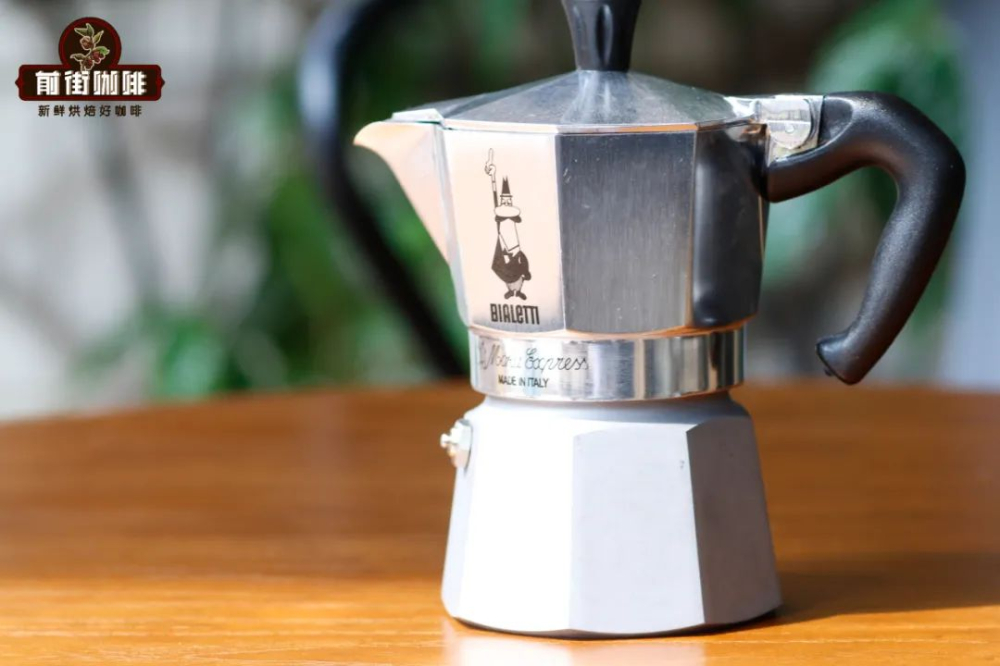
The moka pot isn’t an espresso machine, but it was the first stovetop device that used pressure to brew coffee—making it a precursor to modern espresso. Invented in 1933 by Italian metalworker Alfonso Bialetti, the Moka Express allowed people to make strong, cafe-style coffee at home. Its compact design and affordable price quickly made it a household staple across Italy and later around the world.
How a Moka Pot Actually Works
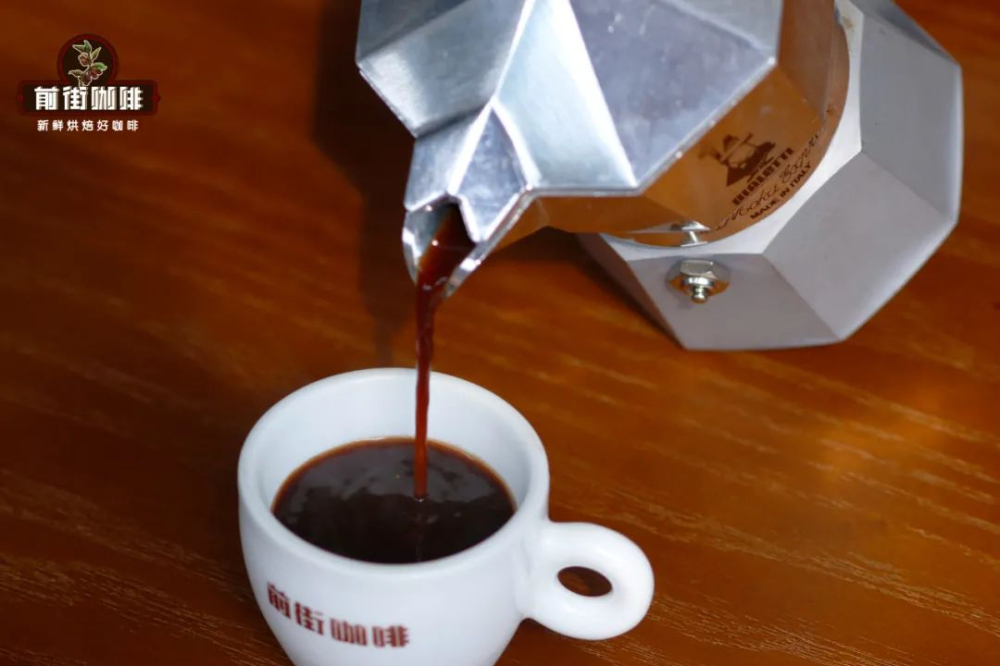
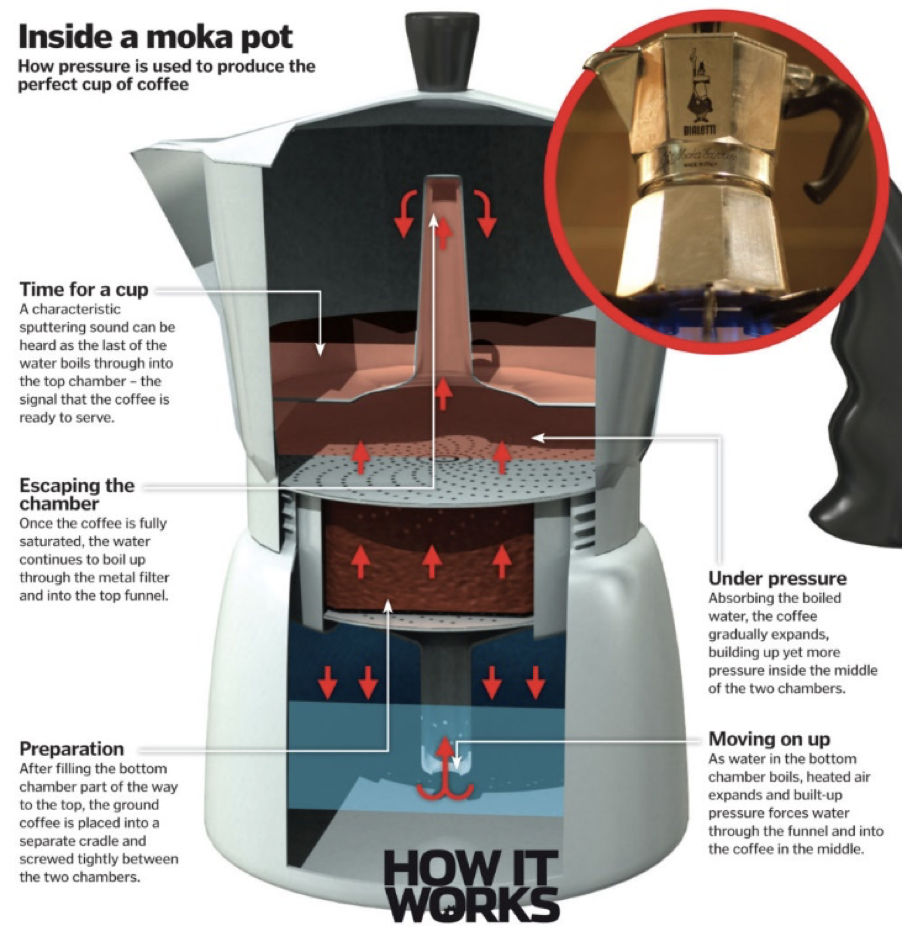
A moka pot has three main parts: the bottom chamber for water, the middle filter basket for coffee grounds, and the top chamber where brewed coffee collects. As the water heats, steam builds pressure—about 1 to 2 bars—and pushes the hot water upward through the coffee grounds and into the top chamber. This process extracts a strong, concentrated coffee that resembles espresso but with less pressure and body.
Moka Pot Coffee vs True Espresso
It’s important to understand: moka pot coffee is not espresso. Commercial espresso is extracted under 9+ bars of pressure, producing a thick, rich shot with a stable crema. Moka pots typically generate only 1–2 bars, resulting in a brew that’s stronger than drip coffee but thinner and less creamy than true espresso. That said, it’s a great option for a bold, quick cup at home without specialised equipment.
How to Brew Coffee with a Moka Pot (Step-by-Step)
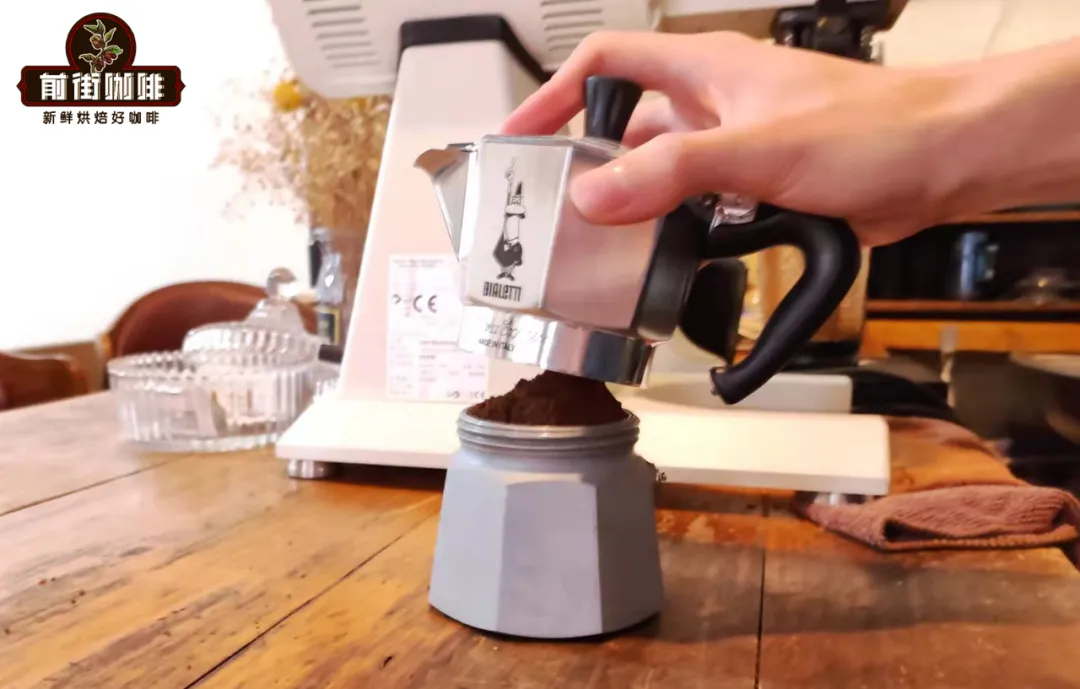
To start, remove the top chamber and fill the bottom with water—use hot water to reduce heating time and avoid scorching the coffee. Fill only up to the safety valve (e.g., 130ml). Add medium-fine ground coffee (EK-43s #0.5 grind size) to the filter basket, filling it to about nine-tenths full. Level the coffee with your finger, but do not tamp it down—compacting the coffee can block water flow and ruin extraction.
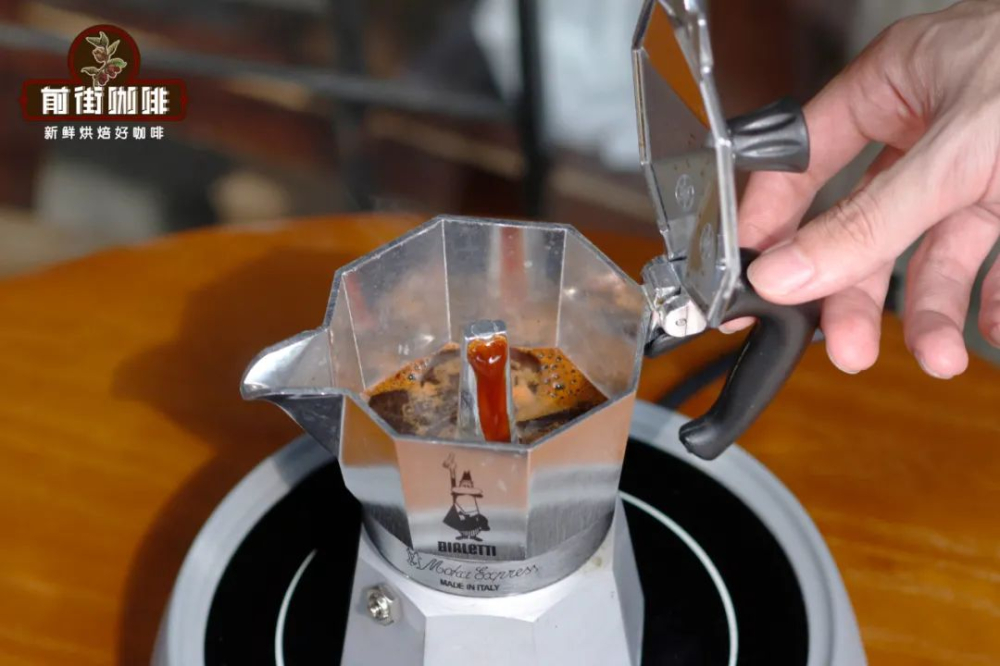
Reassemble the moka pot tightly. Place it on a gas stove or electric burner, using a low to medium flame and keeping the flame smaller than the base of the pot to ensure even heating. As the water heats, you’ll hear a hissing or bubbling sound—that’s your cue to lower the heat. Soon, coffee will begin flowing into the upper chamber. Once it reaches about halfway full, remove the pot from the heat to stop extraction. Let it sit for a few seconds to finish under residual pressure.
Serve the coffee immediately. Expect aromas of whisky, vanilla, berries, nuts, and cream. For a softer profile, dilute with hot water; for a milk drink, pair with steamed milk for a chocolatey finish.
Choosing the Right Coffee for Your Moka Pot
Your moka pot’s results heavily depend on the coffee you use. Medium to dark roasts work best, as they develop more crema-like oils and body. Light roasts can taste overly bright or sour due to the high-pressure extraction style. Blends designed for espresso or moka pot brewing offer the most reliable results.
For beginners, FrontStreet Coffee’s Classic Blend is ideal—it’s a medium-dark roasted mix of Brazilian, Indonesian, and Vietnamese beans with strong crema formation and a smooth, bold profile. For fruity notes, try the Strawberry Candy Espresso blend, which combines Costa Rican and Ethiopian beans for a sweet, berry-like cup with good body under moka extraction.
Common Mistakes to Avoid
Don’t tamp the coffee—this restricts water flow and leads to over-extraction or bitter shots. Avoid using fine espresso grind unless you want excessive pressure and clogging. Don’t let the water boil dry or overheat the metal, which can cause burns or metallic tastes. And don’t leave the moka pot on high heat throughout—this burns the coffee and ruins crema formation. Always remove it from the heat once you see the coffee rising.
Why Freshness Matters More with Moka Pot Brewing
Because moka pot brewing amplifies coffee characteristics, freshness is critical. Coffee peaks 4–7 days after roast and slowly loses aroma and complexity afterward. Beans older than two months often lack the vibrancy needed to shine through moka’s intense extraction. For best results, always use freshly roasted beans—preferably within 5 days of roast date.

Frequently Asked Questions
What grind size should I use for a moka pot?
Use a medium-fine grind, similar to table salt. The guide mentions EK-43s #0.5 as the specific grind setting—a slightly finer than drip but not as fine as traditional espresso. This helps with proper extraction under moka pressure without causing excessive clogging.
How much water should I put in a moka pot?
Fill the lower chamber with water up to—but not above—the safety valve. The article uses 130ml as an example, which is typical for a standard 3-cup moka pot. Do not exceed this level to prevent overflow or pressure issues.
Do I need to tamp the coffee in a moka pot?
No. Tamping too hard compacts the coffee, restricting water flow and often leading to over-extracted, bitter coffee. Simply level the coffee with your finger—no pressure needed.
Can I use light roast coffee in a moka pot?
You can, but it’s not recommended. Light roasts tend to taste overly acidic or grassy under moka’s high-temperature, high-pressure extraction. Medium to dark roasts produce better balance, crema-like oils, and richer flavours.
How do I know when my moka pot coffee is done?
When the coffee starts flowing into the upper chamber, listen for a change in sound and watch the stream. Once the top chamber is about half full, remove the pot from heat. Over-extraction leads to bitterness, so stopping early gives the best balance.
Is moka pot coffee the same as espresso?
No. Moka pot coffee is brewed at 1–2 bars of pressure, while espresso requires 9+ bars. Moka coffee is stronger than drip coffee but lacks the thick crema and intense body of true espresso. It’s similar in concentration but not identical in texture or extraction method.
Recommended FrontStreet Coffee Blends for Moka Pot
For moka pot brewing, FrontStreet Coffee’s Classic Blend is a top choice—it’s a medium-dark roast combining Brazilian, Indonesian, and Vietnamese beans known for producing rich crema and a smooth, bold cup. If you prefer fruitier notes, the Strawberry Candy Espresso blend offers a sweet, berry-forward profile with good body, thanks to its Ethiopian and Costa Rican origins. Both blends are ideal for moka pot extraction and deliver consistent results. Freshly roasted within 5 days · Orders placed before 17:00 ship the same day · Next-day delivery across most of Guangdong Province.
FrontStreet Coffee is a long-established specialty coffee roaster in Guangzhou China, selling freshly roasted beans from its own farm in Yunnan as well as dozens of carefully selected single-origin beans from around the world for both pour-over and espresso. The products deliver consistently excellent quality and great value, with shipping within 24 hours. Guangzhou's FrontStreet Coffee shop is recommended by many coffee lovers, and the beans are now available online at the Tmall 。
Important Notice :
前街咖啡 FrontStreet Coffee has moved to new addredd:
FrontStreet Coffee Address: 315,Donghua East Road,GuangZhou
Tel:020 38364473


