Can coffee grounds really be used to build houses in the future?
▲
Click follow | Daily boutique coffee culture magazine coffee workshop
On August 22, according to foreign media reports, a research team found that using coffee grounds instead of a certain proportion of sand can increase the strength of concrete by 30%, and coffee grounds are expected to become valuable building materials.

It is estimated that a staggering 60 million tons of waste coffee grounds are produced worldwide each year. In general, most of these plant-type wastes are landfills and the decomposition process produces carbon dioxide and methane. Methane causes 21 times the greenhouse gas effect of carbon dioxide.
To this end, the Royal Melbourne Institute of Technology team used coffee grounds collected in local cafes to study the feasibility of replacing some of the sand usually mixed with concrete as fillers. The results show that in the natural state, the strength of concrete is weakened when discarded coffee grounds are used instead of sand.
To make coffee grounds more compatible, the team tried to pyrolyze the materials at 350 and 500 degrees Celsius, respectively, and then replace the sand in the concrete at 5%, 10%, 15% and 20%. In general, organic carbon will be formed, because it has a porous structure that can lock water, which prevents the interior of concrete from becoming dry and produces micro-cracks, which will weaken its structural strength. The team analyzed that the coffee grounds, which had been pyrolyzed at 350 degrees, were mixed into the cement at 15%, with a 29.3% increase in compressive strength compared with the normal formula.

Photo Source: New Scientist
This method can not only reduce sand mining and coffee grounds landfill, but also reduce greenhouse gas emissions and improve the quality of concrete. More environmentally friendly circular economy construction methods have been further promoted. Although the study is still in its early stages, the researchers say the results are promising and could be used in buildings around the world, given the popularity of coffee.
In addition to saving landfill space, coffee concrete solves another environmental problem-the protection of limited natural resources and the continuous extraction of natural sand around the world to meet the fast-growing demand of the construction industry. about 40 to 50 billion tons of river sand and gravel are extracted each year, with a huge impact on the environment.
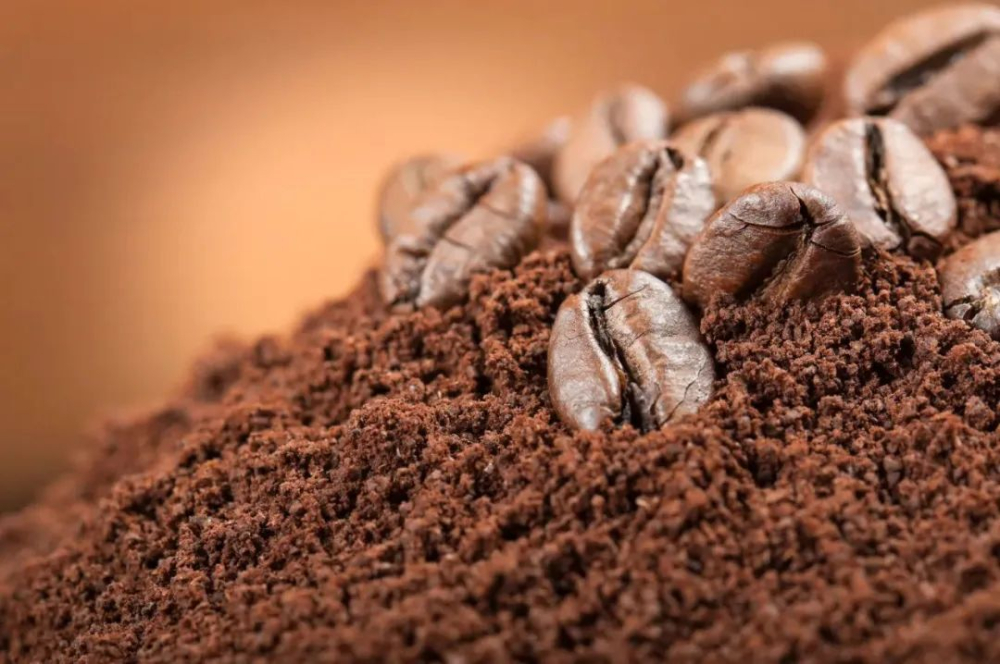
Photo Source: New Atlas
Follow-up researchers plan to conduct long-term mechanical and durability tests on the potential applications of organic carbon in the construction industry, and to further explore the effects of different pyrolysis temperatures on material properties.
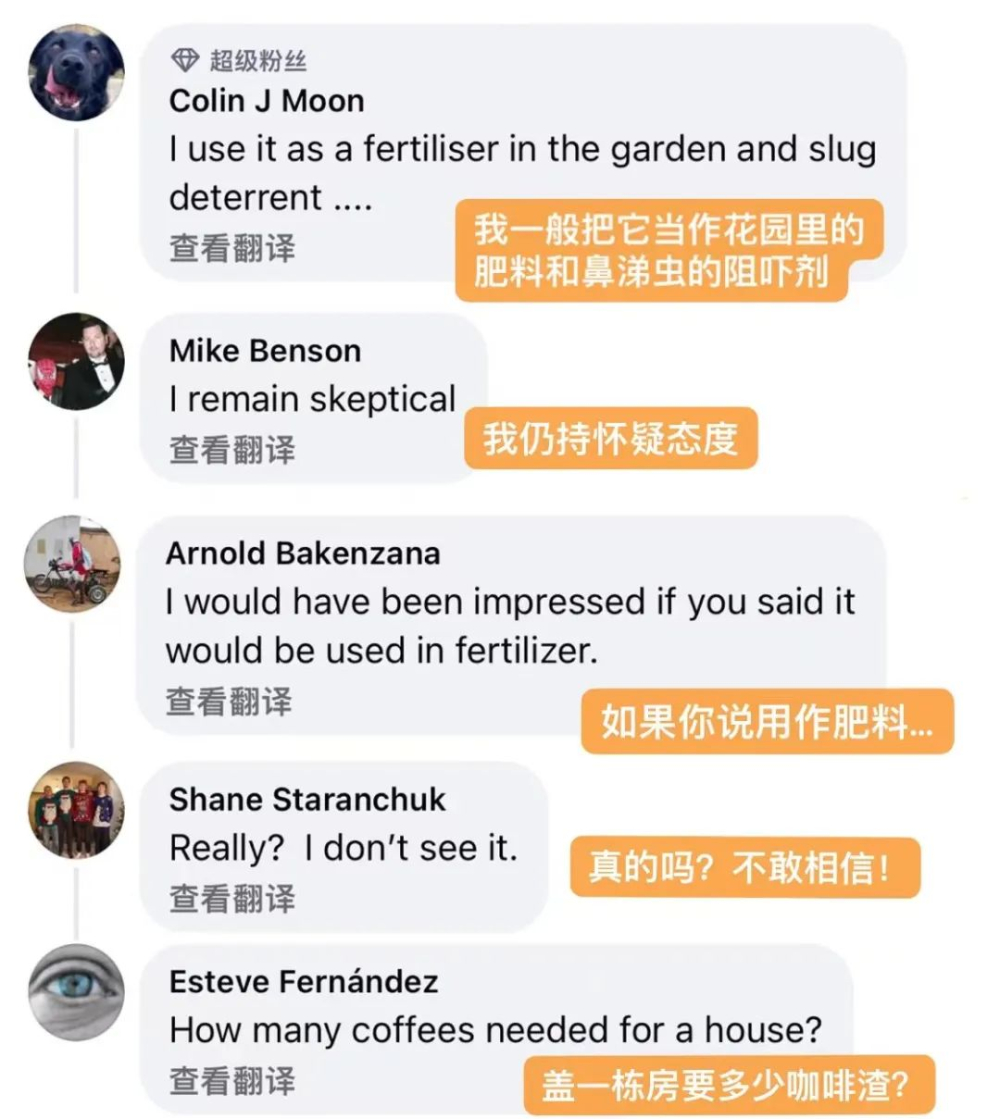
In response, netizens on social platforms said that they only use coffee grounds as fertilizer and are still skeptical that what the study says can be used to build houses, but it would be a good thing if it can come true.
Disclaimer: some of the pictures in this article come from the network, and some of the contents of the website, such as pictures, we will respect the origin of the original copyright, but due to the large number, there will be individual pictures and texts not in time to indicate, please forgive me. If the original author has any disputes can contact the website to deal with, once verified we will immediately correct, by the "coffee workshop" collation and editing, reprint please indicate, if infringement, please inform deletion, thank you ~!

FrontStreet Coffee is a long-established specialty coffee roaster in Guangzhou China, selling freshly roasted beans from its own farm in Yunnan as well as dozens of carefully selected single-origin beans from around the world for both pour-over and espresso. The products deliver consistently excellent quality and great value, with shipping within 24 hours. Guangzhou's FrontStreet Coffee shop is recommended by many coffee lovers, and the beans are now available online at the Tmall 。
Important Notice :
前街咖啡 FrontStreet Coffee has moved to new addredd:
FrontStreet Coffee Address: 315,Donghua East Road,GuangZhou
Tel:020 38364473