"Should we not sell Espresso?"
▲
Click follow | Daily boutique coffee culture magazine coffee workshop
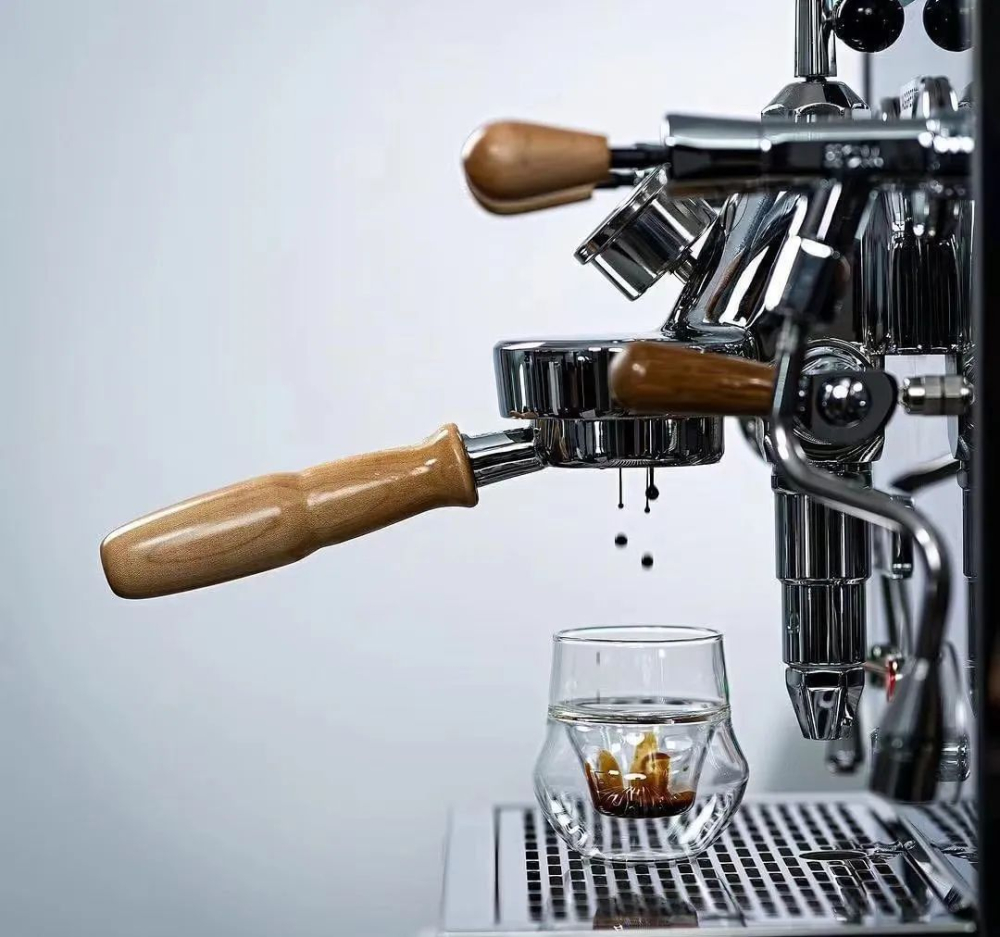
As an Italian national-class drink, locals believe that only the full-bodied and scorched taste of Espresso is in line with the coffee setting. Standing in front of the bar and swallowing a small cup of Italian concentrate is also every Italian's daily pastime.
In China, unless you name the barista, "I'll have an espresso / Espresso", it is rarely mentioned by people.
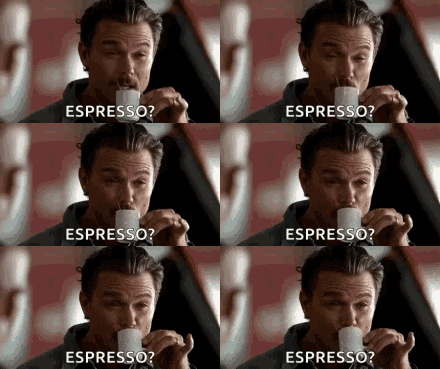
In fact, in addition to the low production rate, Espresso has another "universal identity" in most domestic coffee shops, which is the cheapest drink on the menu.
Just last week, a shopkeeper of a cafe wrote, "I'm thinking about it." Are you going to take Espresso off the shelves? " The reason for taking it off the shelves is that the cost is too high. Before long, the note immediately attracted the attention and heated discussion of many netizens inside and outside the industry, and IP covers many places at home and abroad, which is called a lively one.
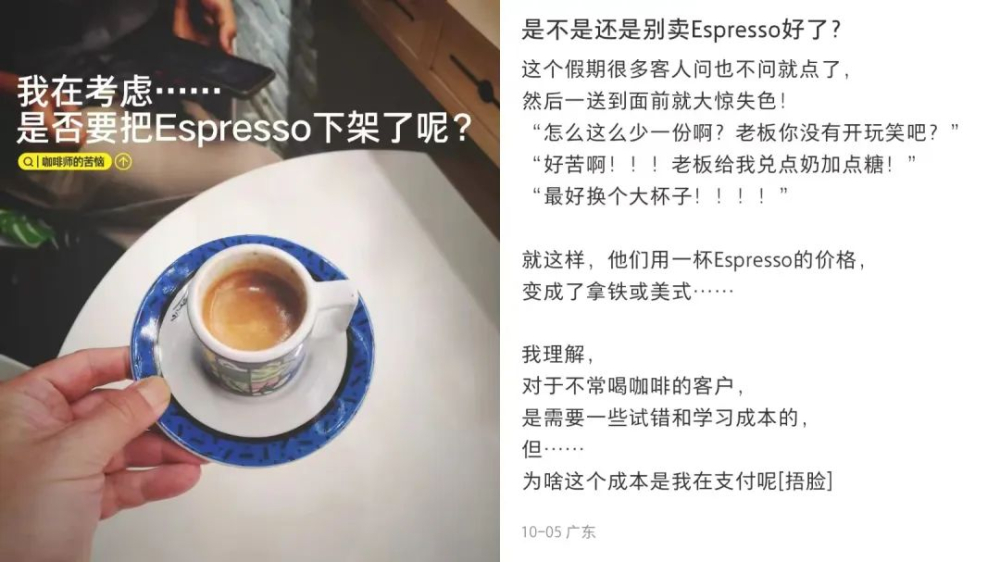
According to the boss, because many guests ordered on Mini Program without asking the barista during the holiday. Among them, a table guest placed an order for Espresso with the lowest price on the menu, and then sent it to them but was shocked!
"Why is there so little? Boss, are you kidding me? " "how bitter it is! Boss, give me some milk and some sugar! "
"you'd better get a big cup!"
In this way, under the deployment of a "coffee companion", guests use the price of a cup of Espresso to mechanically condense that very small portion into a latte or American style. In this regard, the shopkeeper believes that it is understandable that customers who do not drink coffee often need some trial and error and learning costs, but now this "cost" seems to be paid by merchants, so they have the idea of "taking Espresso off the shelves."
Many netizens in the comment area also gave their own suggestions on how to deal with the distress sent by the shopkeeper (whether Espresso should be removed from the shelves or not). You can mark the capacity or match the pictures in the information bar of Espresso, and guests who don't understand will not order as soon as they see a small amount; or they can directly make a hidden menu so that customers who know coffee and want to drink will naturally ask for it; or they can write Espresso together with American style (American / condensed) and then the same price.

Since the feedback was so hot and there were so many views on how to drink Espresso and whether it was necessary to keep it, the owner of the note added his own ideas in the comments section.
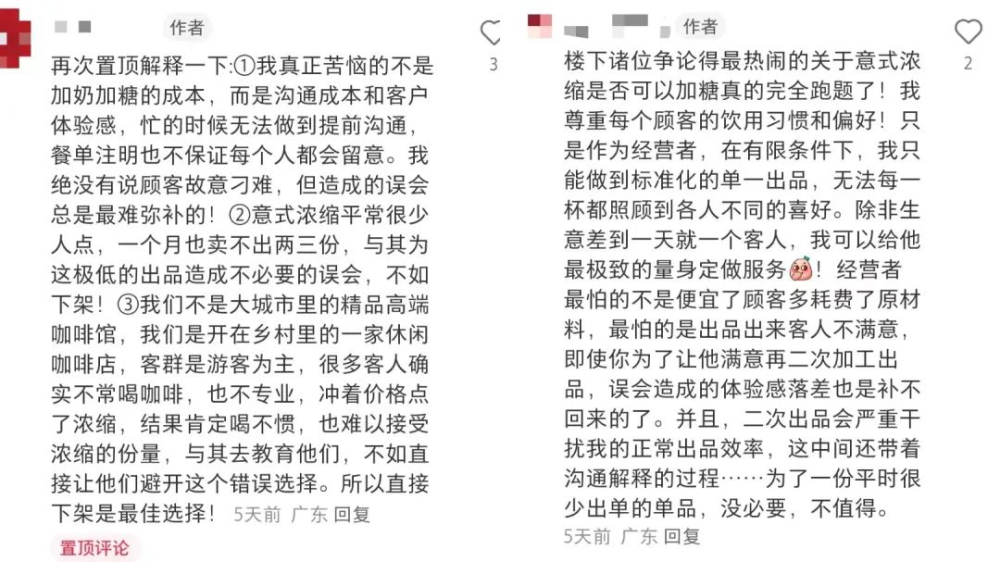
First of all, he respects the drinking habits and preferences of each customer, but as an operator, under limited conditions, he can only achieve a standardized single product, and can not take care of each person's different habits. What the operator fears most is not the consumption of raw materials, but the dissatisfaction of the guests after the product is produced, even if you re-process the product for the other party's satisfaction, the experience gap caused by the misunderstanding cannot be made up. Moreover, the secondary production will seriously interfere with the normal production efficiency, because the process of communication and explanation is also needed.
Secondly, usually Italian concentration is rarely ordered by people, and two or three copies can not be sold in a month. instead of causing unnecessary misunderstandings for extremely low products, it is better to take them off the shelves!

In addition, compared with the boutique positioning in big cities, the shopkeeper's coffee shop is located in a leisure place in the countryside, and the customer base is mainly tourists. It is true that many guests do not drink coffee often or professionally. Espresso is probably aimed at the price, so it is natural for them to feel uncomfortable and drink too little. Instead of ordering to "educate" each other, it is better to avoid this wrong choice for them directly. Therefore, directly off the shelf is the best choice!
As the basis of most coffee drinks, Italian concentrate can be said to be the real core of a coffee shop's menu, but as a separate drink, it is not only difficult to price, but also not very acceptable in taste. Because of this, it is very low-key in many coffee shops in Taiwan, and even "no one cares about it." many managers feel that it is not necessary to write into the menu, so they might as well let it become a "code" between baristas and customers.
Picture from: Internet
Disclaimer: some of the pictures in this article come from the network, and some of the contents of the website, such as pictures, we will respect the origin of the original copyright, but due to the large number, there will be individual pictures and texts not in time to indicate, please forgive me. If the original author has any disputes can contact the website to deal with, once verified we will immediately correct, by the "coffee workshop" collation and editing, reprint please indicate, if infringement, please inform deletion, thank you ~!
FrontStreet Coffee is a long-established specialty coffee roaster in Guangzhou China, selling freshly roasted beans from its own farm in Yunnan as well as dozens of carefully selected single-origin beans from around the world for both pour-over and espresso. The products deliver consistently excellent quality and great value, with shipping within 24 hours. Guangzhou's FrontStreet Coffee shop is recommended by many coffee lovers, and the beans are now available online at the Tmall 。
Important Notice :
前街咖啡 FrontStreet Coffee has moved to new addredd:
FrontStreet Coffee Address: 315,Donghua East Road,GuangZhou
Tel:020 38364473