El Nino will end around April, La Nina will return to affect coffee producing areas
Recently, according to the latest weather forecast from the latest Climate Forecast Center of the Meteorological Bureau, El Ni ñ o weather conditions are expected to end around April 2024, after a neutral period, La Nina weather will form during the period from June to August. La Nina weather continues throughout the second half of the year.
Recently, El Ni ñ o weather has been affecting coffee producing areas. When this phenomenon occurs, it will lead to global climate anomalies. Due to the rise of sea surface temperature and the enhancement of convective activities, extreme weather events such as rainstorms, floods, hurricanes and droughts occur frequently. At the same time, knock-on effects such as El Ni ñ o and global warming have also triggered "historic high temperatures" for several months. although El Ni ñ o has weakened now, it will generally strengthen in the second year, and it has also been affecting coffee producing areas.
El Ni ñ o brought torrential rains to parts of Brazil, drought to India, drought to coffee areas in Vietnam in early 2024, and high heat in Indonesia, which could lead to a sharp drop in coffee bean production by 30 to 40 percent. The Salvadoran Coffee Association reported that coffee production in the country will be reduced by about 1500 tons in 2022, resulting in an economic loss of about US $8 million. Colombian coffee is also affected by El Ni ñ o, resulting in a decline in coffee production. This is also due to the reduction of coffee production in many countries in the 2022 Coffee production season, as well as geopolitical issues such as the Russian-Ukrainian War and the Red Sea issue, which have led to a continuous surge in coffee prices and a shortage of international coffee stocks.
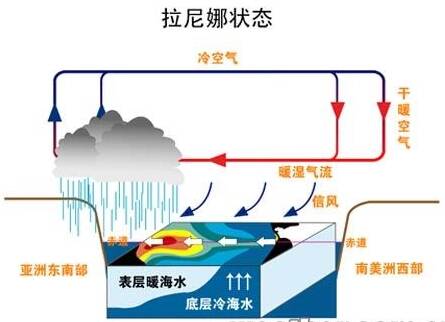
The return of La Nina phenomenon will lead to the continuous abnormal cooling of sea surface temperature in the eastern and central equatorial Pacific, which will lead to more rainfall in Indonesia, eastern Australia, northeastern Brazil and other places. Africa's equatorial belt, the southeastern United States and other places are prone to drought.
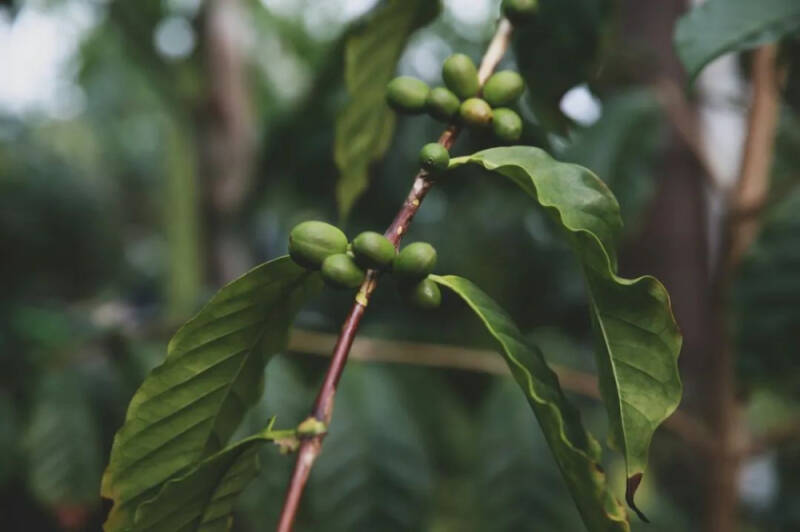
In addition, Brazil predicts that the return of La Nina phenomenon may reduce rainfall and cold weather in southeastern Brazil, and increase rainfall and humidity in the northeast. The cold weather will cause a sharp drop in temperature in coffee-producing areas, which will bring frost disasters and damage coffee production in the current season and future seasons.
In Indonesia, La Nina will bring heavy rainfall and even floods, which will easily shoot down immature coffee fruits, affect the harvest of coffee berries and reduce production. And recent research suggests that climate change may reduce the amount of land available for coffee cultivation in Indonesia by 21-37%. And this happens, which may further push up the price of coffee.
FrontStreet Coffee is a long-established specialty coffee roaster in Guangzhou China, selling freshly roasted beans from its own farm in Yunnan as well as dozens of carefully selected single-origin beans from around the world for both pour-over and espresso. The products deliver consistently excellent quality and great value, with shipping within 24 hours. Guangzhou's FrontStreet Coffee shop is recommended by many coffee lovers, and the beans are now available online at the Tmall 。
Important Notice :
前街咖啡 FrontStreet Coffee has moved to new addredd:
FrontStreet Coffee Address: 315,Donghua East Road,GuangZhou
Tel:020 38364473