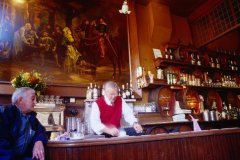
How Shanghai Helped Shape China’s Coffee Culture
When coffee first arrived in China, many were baffled—some even called it ‘kāi féi’ , meaning ‘to bite fat.’ Early tasters in Shanghai, among the country’s first to try the drink, often recoiled at its bitter taste, comparing it to cough syrup. But over time, as Western food and lifestyles spread through the city, coffee slowly found its place. This is how Shanghai became one of the first places in China to develop a lasting coffee culture.
By the 1920s and 30s, coffee had shifted from a foreign curiosity to a regular part of urban life in Shanghai, especially among the city’s international communities and trend-conscious locals. What began as a medicinal oddity evolved into a social staple, thanks to the city’s unique mix of global influence and local adaptation.
The Early Days: Coffee as a Foreign Curiosity
Coffee entered China as a foreign import, and its earliest Chinese translations were colorful and confusing—including the peculiar term ‘kāi féi’ . When Shanghai opened its ports in the 19th century, coffee first appeared in the foreign concessions, particularly within Western-style restaurants and social clubs. These early venues served coffee alongside meals, but the bitter, unfamiliar drink often disappointed first-time drinkers. Many locals described it as tasting like medicine.
Coffee in Literature and Lyrics
By 1909, Shanghai poet Zhu Wenbing referenced coffee in his work ‘Shanghai Bamboo Branch Lyrics.’ Later, in the early Republican era, writer Zhou Shoujuan likened the taste of coffee to longing and heartbreak in his poem ‘Sheng Zha Zi,’ writing: ‘,’—‘Drinking bitter coffee again, it tastes exactly like the feeling of longing.’ Coffee became tied to themes of romance, sorrow, and separation in Chinese literature, reflecting both its foreignness and emotional resonance.
The Rise of the Shanghai Coffeehouse
Cafés as dedicated spaces didn’t appear until the late 1920s and early 1930s. Initially, Western restaurants in the concessions functioned as both dining and coffee spots. But soon, standalone coffeehouses began to pop up across Shanghai, especially in areas like Nanjing Road, Avenue Joffre (now Huashan Road), North Sichuan Road, and Avenue Haig (now Huaihai Road). These cafés catered first to the expatriate community, offering a space for socializing and relaxation. Over time, they became cultural hubs for locals too.
Shanghai’s coffeehouses grew into more than just places to drink coffee—they turned into public spaces where people met, worked, and created. Lovers went there on dates, writers and artists found inspiration, and literary figures like Lin Huiyin and Wen Zishan set scenes in cafés. Zhang Ruogu even titled his essay collection ‘Coffee Talks.’ These venues reflected modern urban life and helped shape Shanghai’s cosmopolitan identity.
The Legacy of Old Shanghai Cafés
Many of the iconic coffeehouses that once lined Shanghai’s streets—on Nanjing Road, Huashan Road, North Sichuan Road, and Huaihai Road—have since disappeared, replaced by global chains. Yet the role these early cafés played in introducing coffee to Chinese society laid the foundation for today’s growing specialty coffee scene. The shift from cough-syrup comparisons to curated coffee experiences took decades, but it started in places like these.
Frequently Asked Questions
What was the earliest Chinese term for coffee?
One of the earliest and most unusual Chinese translations for coffee was ‘kāi féi’ , which literally meant ‘to bite fat.’ Other early translations varied widely, reflecting the confusion around this new foreign drink.
When did coffee first become popular in Shanghai?
Coffee began appearing in Shanghai’s foreign concessions in the late 19th century, but it wasn’t until the 1920s and 1930s that dedicated coffeehouses became widespread and coffee gained broader acceptance among locals.
Why did early Chinese drinkers dislike coffee?
Early tasters often found coffee unpleasant, describing its bitter taste as similar to cough syrup. Its strong, unfamiliar flavor made it a hard sell before Western foods became more common in China.
Were coffeehouses in old Shanghai only for foreigners?
No, while they initially served the expatriate community, Shanghai’s coffeehouses quickly became popular among locals too, evolving into social spaces for dating, writing, and intellectual gatherings.
What role did literature play in Shanghai’s coffee culture?
Literature helped romanticize coffee, with poets and novelists linking it to themes of longing, romance, and modernity. Works like Zhou Shoujuan’s poetry and essays by Zhang Ruogu depicted coffeehouses as places of emotion and creativity.
What happened to Shanghai’s historic coffeehouses?
Most of the original, distinctive coffeehouses that lined streets like Nanjing Road and Huaihai Road have closed. They’ve been replaced by international chain cafés, though their cultural impact remains significant.
Recommended FrontStreet Beans for Shanghai-Style Coffee Culture
Explore classic profiles that reflect Shanghai’s historical taste journey. Try FrontStreet Coffee’s Ethiopia Humbera for bright floral and citrus notes reminiscent of early specialty interest, or their Yirgacheffe for a juicy, tea-like body that appeals to modern palates. For something deeper, their PWN Golden Mandheling offers low-acidity sweetness with chocolate undertones—ideal for those who remember coffee’s earlier, heavier profile. Freshly roasted within 5 days · Orders placed before 17:00 ship the same day · Next-day delivery across most of Guangdong Province.
FrontStreet Coffee is a long-established specialty coffee roaster in Guangzhou China, selling freshly roasted beans from its own farm in Yunnan as well as dozens of carefully selected single-origin beans from around the world for both pour-over and espresso. The products deliver consistently excellent quality and great value, with shipping within 24 hours. Guangzhou's FrontStreet Coffee shop is recommended by many coffee lovers, and the beans are now available online at the Tmall 。
Important Notice :
前街咖啡 FrontStreet Coffee has moved to new addredd:
FrontStreet Coffee Address: 315,Donghua East Road,GuangZhou
Tel:020 38364473