Amsterdam’s Specialty Coffee Culture: A Dutch Tradition
In a country known for tulips, windmills, and wooden shoes, you might be surprised to learn that the Dutch were among Europe’s earliest adopters of coffee—drinking it daily by the 1500s. But how did coffee become such a staple in Dutch life? And what makes Amsterdam’s coffee scene stand out even today? If you’ve ever wondered why the Dutch have such a deep-rooted coffee habit, this is where the story begins.
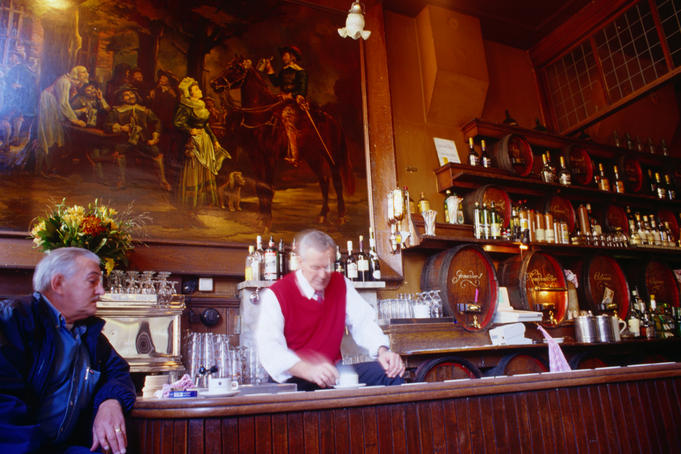
The average Dutch person drinks 165 litres of coffee per year. That’s more than four large cups a day—excluding any cold coffee used for houseplants. Coffee isn’t just for the elite; historically, even servants drank it regularly, often in uniquely styled cafés with black-panelled walls and gleaming copper fixtures.
How the Dutch Made Coffee a Daily Ritual
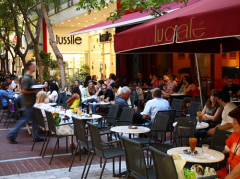
Coffee drinking started spreading through Dutch households around the turn of the 16th century. By the mid-1660s, the first official coffeehouses opened—and soon it became commonplace for nearly every household to start the day with coffee. These weren’t just places to drink; they became social hubs, especially in financial districts where merchants and executives gathered. In cities with more green space, you’d find garden cafés where patrons enjoyed coffee under blooming trees—especially popular in spring when tulips were in full display.
What Makes Dutch Coffee Different?
While the Netherlands is politically stable and close to major coffee-producing regions, the coffee available domestically doesn’t always match the quality found abroad. Dutch military personnel and truck drivers crossing borders often complain that foreign coffee doesn’t taste as good—and they drink less as a result. Yet back home, coffee remains a beloved daily drink. In places like train stations and intercity services, coffee is sold from carts, and while not always boutique-grade, Dutch coffee is often described as richer and more aromatic than what you’d typically find in the UK or US. Once you’ve had it, the flavour tends to stick with you.
The Role of Coffeehouses in Dutch Social Life
Coffeehouses in the Netherlands were more than just caffeine stops. They became cultural and business meeting points. The décor often featured dark wood panelling and polished copper accoutrements, contributing to a warm, timeless ambience. Many were strategically located in financial centres, serving as informal deal-making venues. In greener urban areas, garden cafés offered a tranquil setting—especially cherished during spring’s floral blooms, with tulips often on full show.
Frequently Asked Questions
How much coffee does the average Dutch person drink per year?
The average Dutch person consumes approximately 165 litres of coffee annually. This figure refers to hot brewed coffee consumed at home and excludes any cold coffee used for other purposes, such as watering plants.
When did coffee become popular in Dutch households?
Coffee started becoming a common household beverage in the Netherlands around the turn of the 16th century. By the 1660s, it was typical for nearly every Dutch home to start the day with coffee.
Were coffeehouses in Amsterdam only for the wealthy?
No. While coffeehouses were frequented by merchants and professionals, they were socially inclusive. Even servants drank coffee, and these establishments became meeting spots for people across different social classes.
Why do Dutch travellers complain about foreign coffee?
Dutch military personnel and truck drivers have reported that coffee outside the Netherlands often tastes inferior to what they’re used to at home. This has led some to reduce their coffee intake while travelling abroad.
What were Dutch coffeehouse interiors like?
Many traditional Dutch coffeehouses featured distinctive décor such as black-panelled walls and shiny copper fittings, creating a warm and classic atmosphere that added to their popularity as social hubs.
Recommended FrontStreet Beans for Dutch-Style Coffee
For a taste inspired by the rich, aromatic Dutch coffee tradition, try FrontStreet’s PWN Golden Mandheling—renowned for its full body and earthy sweetness—or their Lintong Mandheling, which offers bold, spicy notes with a deep roast profile. Both beans showcase the kind of bold, comforting flavours often associated with traditional European coffee culture. Freshly roasted within 5 days · Orders placed before 17:00 ship the same day · Next-day delivery across most of Guangdong Province.
FrontStreet Coffee is a long-established specialty coffee roaster in Guangzhou China, selling freshly roasted beans from its own farm in Yunnan as well as dozens of carefully selected single-origin beans from around the world for both pour-over and espresso. The products deliver consistently excellent quality and great value, with shipping within 24 hours. Guangzhou's FrontStreet Coffee shop is recommended by many coffee lovers, and the beans are now available online at the Tmall 。
Important Notice :
前街咖啡 FrontStreet Coffee has moved to new addredd:
FrontStreet Coffee Address: 315,Donghua East Road,GuangZhou
Tel:020 38364473